
 Search
.jpg "Tibetan Local Travel Agency")


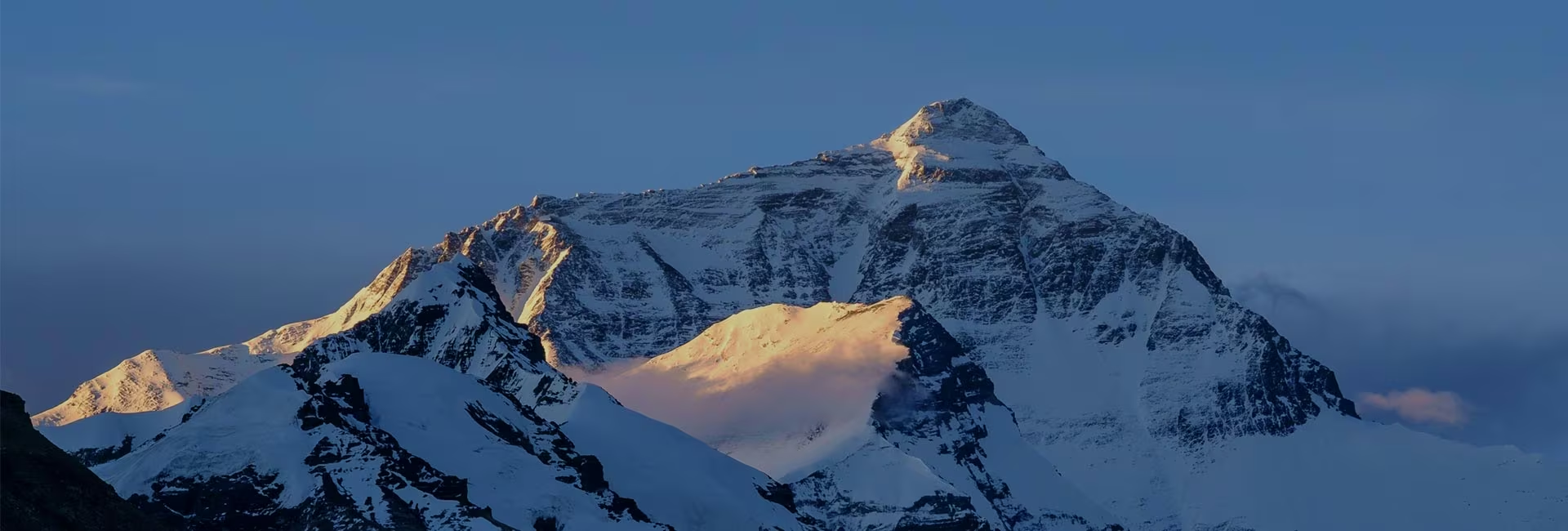
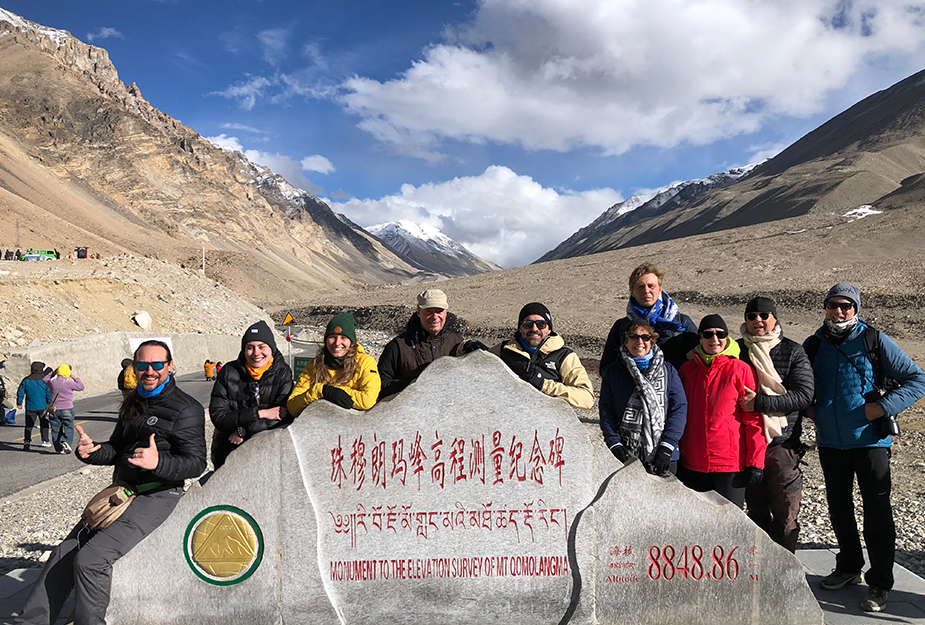
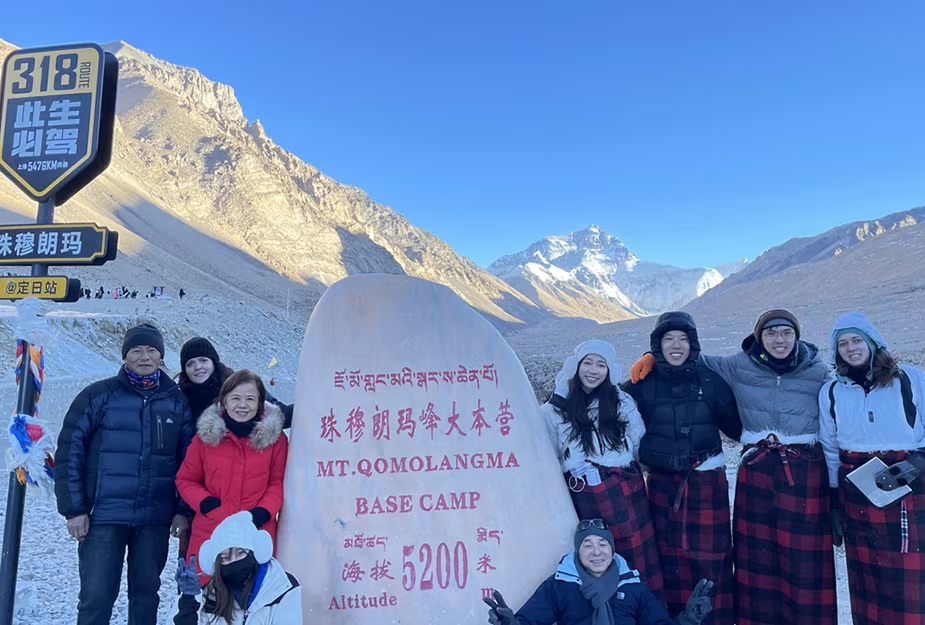
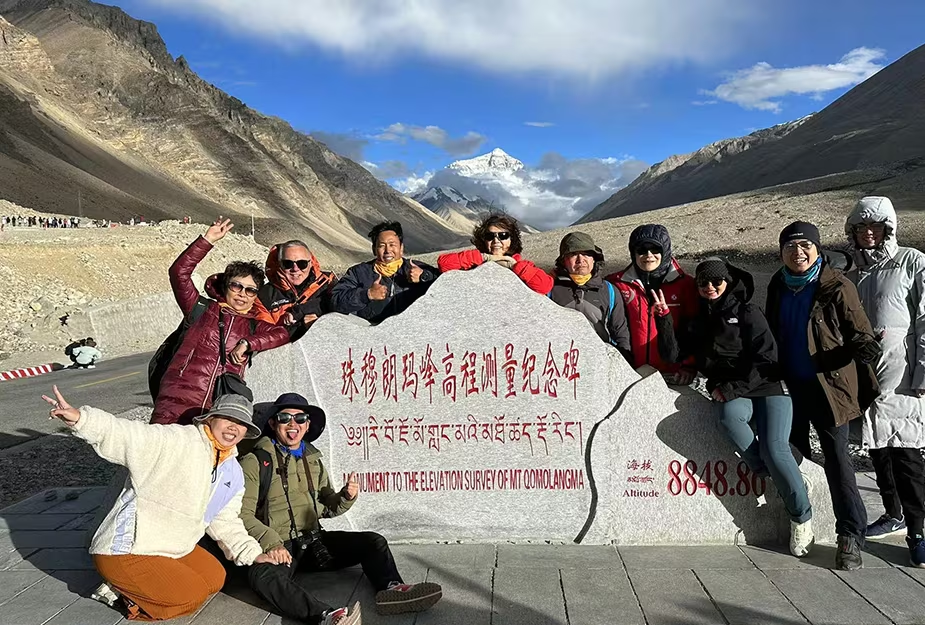
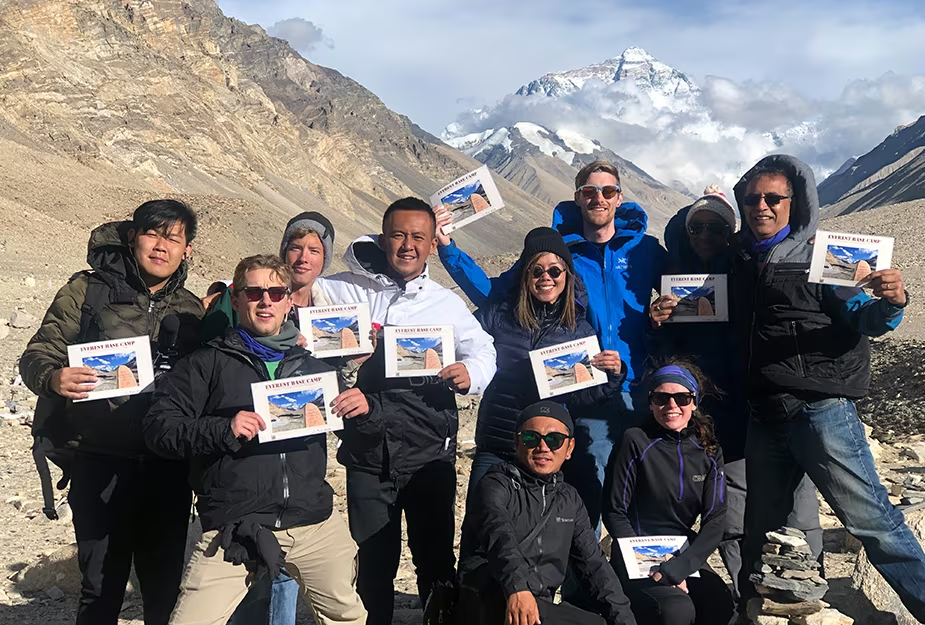
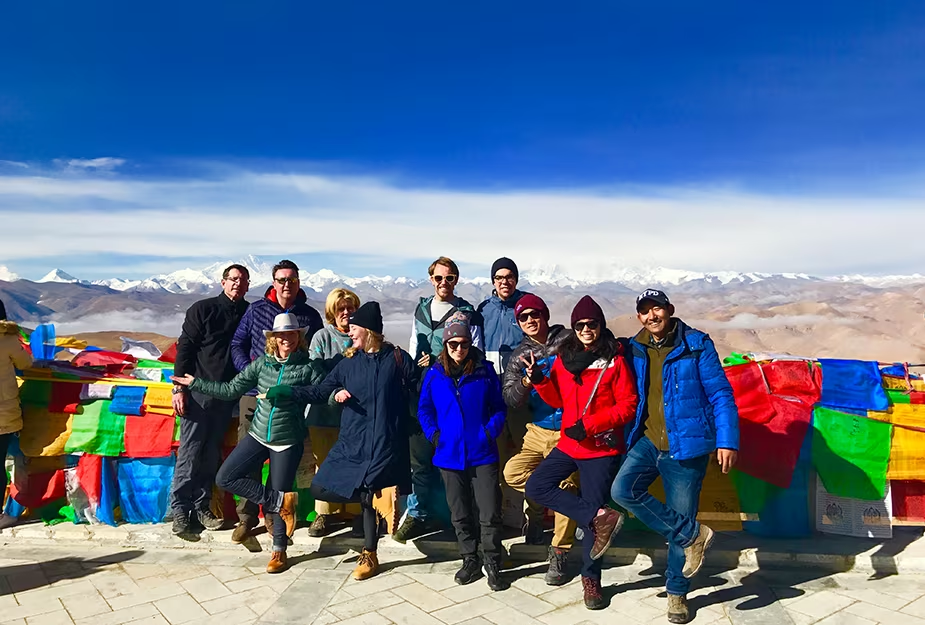
Hailed as the best highlight for Tibet travel, Everest Base Camp tour brings you to the foot of the Mt.Everest (8844.86m) at Everest Base Camp (5000m) and unveils the grandeur of mighty Himalaya and Tibetan culture in an exhilarating adventure.
The most classic itinerary is the 8-day Lhasa to Everest Base Camp tour. It can be visited all year round. As the award-winning Everest Base Camp tour operator, we offer you the expertly-crafted Everest Base Camp small group tours and private tours. Pick your favorite Everest Base Camp tour below and join us to have your bucket list tick off now.

Until today, clients have booked Tibet Everest trip with us in 2026! The most popular journey is 8-day Lhasa to Everest Base Camp overland at BEST local price. Secure your spot now and be part of an extraordinary experience!
Our Most Classic Small Group Everest Base Camp Tours
Explore Everest Base Camp together with other 10 or less like-minded English-speaking travelers from all over the world, sharing one professional Tibetan local tour guide and comfortable sightseeing bus. SAVE UP TO more than 40%! Click for more Tibet small group tours.
- Guarantted Fixed Departures
- No Optional Hidden Cost
- All-Incluside Service
- 5% Off for Early Book
-
 Ranked No.1 Tibet TripClassic Everest Trip
Tour Route: Lhasa - Gyantse - Shigatse - Everest Base Camp - Shigatse - Lhasa
“ We planned this trip with four moments to experience the amazing Mt. Everest, all in one journey. ”
2026 Available Dates & Price:
-
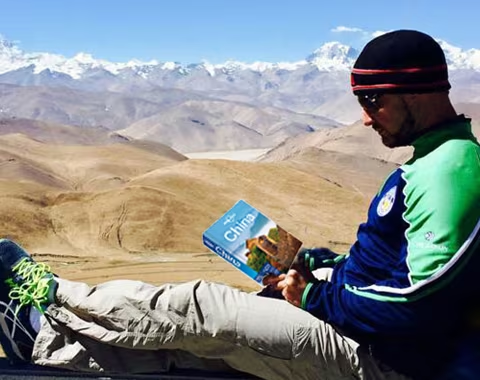 Tibet-Nepal OverlandMost Classic Trip
Tour Route: Lhasa - Gyantse - Shigatse - Everest Base Camp - Gyirong - Kathmandu
“ Travel through the magical Himalayas and experience the beauty of Mt. Everest from four different angles. ”
2026 Available Dates & Price: -
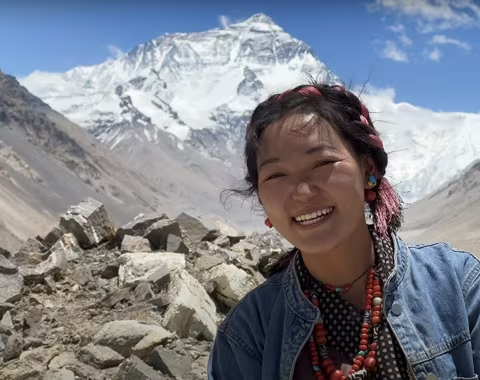
Tour Route: Lhasa - Yamdrotso Lake - Gyantse - Shigatse - Everest Base Camp - Sakya - Lhasa
“ Join Jamyang Tsering, our renowned Tibetan guide on YouTube, as he explores his hometown and takes you off the beaten path to pastoral communities and rural areas. ”
2026 Available Dates & Price: -
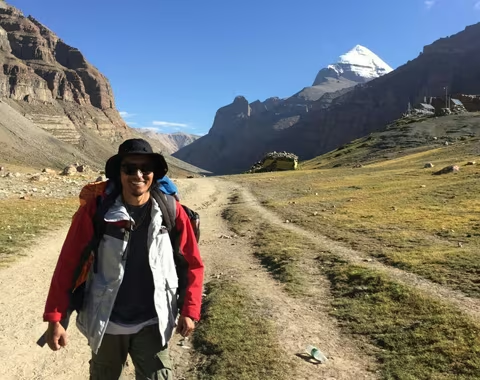 Ultimate Tibet Pilgrimage TrekTrek to Worship the Holiest Mountain in Tibet
Tour Route: Lhasa - Gyantse - Shigatse - E.B.C - Saga - Kailash Trek - Darchen - Lake Manasarovar - Saga - Gyirong - Tingri - Lhasa
“ This is the trip for any of Kailash tourists; the ultimate overland trip of Tibet with 3-day trek & chance to admire Mt.Everest. ”
2026 Available Dates & Price: -
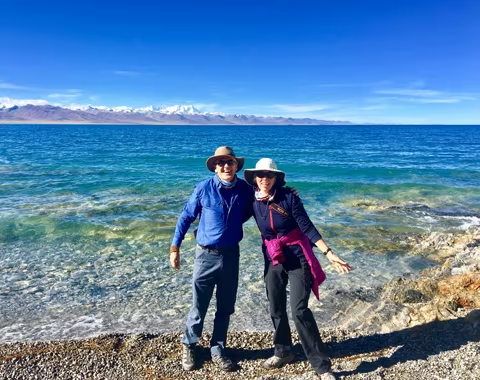 Mt.Everest+Namtso LakeAll Highlights Covered
10 Days Lhasa to Everest Base Camp, Namtso Lake and Holy Elephant Gate Small Group Tour
Tour Route: Lhasa - Gyantse - Shigatse - EBC - Shigatse - North Tibet Grassland - Bange - Namtso Lake - Holy Elephant Gate - Lhasa
“ Combine the best scenery of Tibet in one go with a rich cultural experience as visiting local villages, teahouses, and monasteries. ”
2026 Available Dates & Price: -
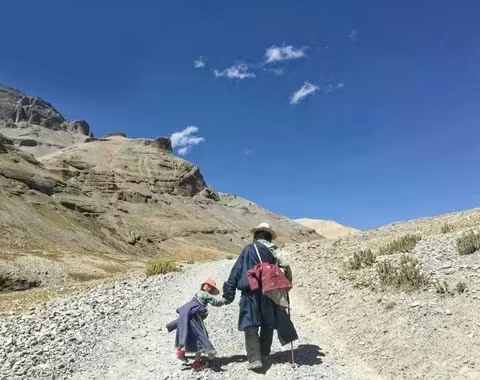
Tour Route: Lhasa - Gyantse - Shigatse - EBC - Saga - Darchen - Kailash Trek - Darchen - Saga - Gyirong - Kathmandu
“ This epic overland trip is specially designed for tourists starting from Lhasa, and finishing in Kathmandu, enriching the Kailash experience to the fullest. ”
2026 Available Dates & Price: -
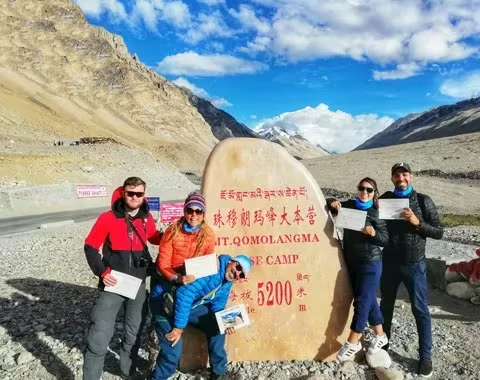 Classic Nepal to Tibet Trip
8 Days Driving Across Himalaya Overland Adventure from Kathmandu to Lhasa
Tour Route: Kathmandu - Gyirong - Everest Base Camp - Tingri - Shigatse - Gyantse - Lhasa
“ We provide quality service and wonderful experiences through the Himalayas from Kathmandu and Lhasa. ”
2026 Available Dates & Price: -
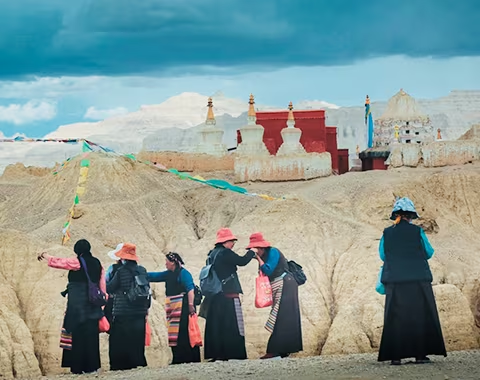
17 Days Kailash Manasarovar Full Moon Tour & Guge Kingdom Exploration
Tour Route: Lhasa - Gyantse - Shigatse - EBC - Saga - Darchen - Zanda - Kailash Trek - Darchen - Saga - Gyirong - Tingri - Lhasa
“ Extend the classic Kailash Mansarovar Yatra to include the Ruins of Guge Kingdom for a rich cultural experience and breathtaking landscapes throughout the Tibet Plateau. ”
2026 Available Dates & Price: -
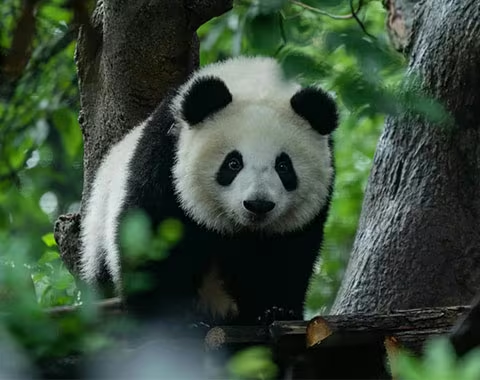 Giant PandaTibet Train Experience
11 Days Chengdu to Tibet Everest Base Camp Group Tour by Train and back to Chengdu by Flight
Tour Route: Chengdu - Xining - Qinghai Tibet Railway - Lhasa - Shigatse - Everest Base Camp - Shigatse - Lhasa - Chengdu
“ A dream overland journey covering all the essential attractions of Tibet, stunning scenery of Qinghai-Tibet railway and adorable pandas in a quality tour package. ”
2026 Available Dates & Price: -
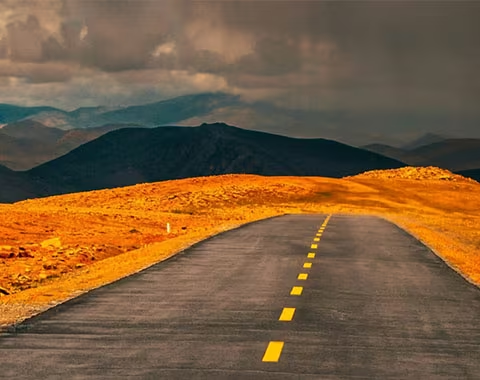 Epic Journey from Beijing to KathmanduTibet Train & Overland Excursion
12 Days Travel from Beijing to Kathmandu across Tibet Plateau, traversing the Beijing-Lhasa Train
Tour Route: Beijing - Xining - Qinghai Tibet Railway - Lhasa - Shigatse - Everest Base Camp - Gyirong - Kathmandu
“ This fantastic tour from Beijing to Kathmandu via the Tibet Plateau includes a scenic train journey to Lhasa and explores various cultural and natural landmarks. ”
2026 Available Dates & Price: -
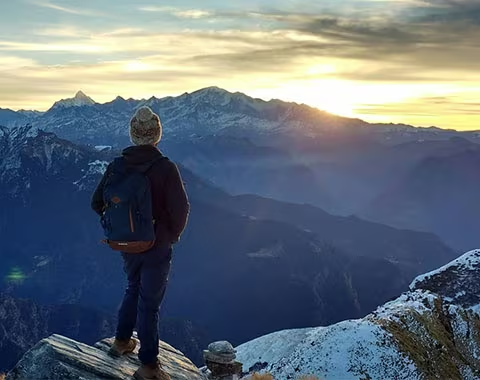 Best Himalayan Kingdoms Exploration
16 Days Tour three Himalaya Kingdoms by Overland: Tibet, Nepal and Bhutan
Tour Route: Kathmandu - Chitwan - Kathmandu - Lhasa - Shigatse - Everest Base Camp - Gyirong - Kathmandu - Paro - Thimphu - Paro
“ Three specially selected destinations allow you to delve deep into the Himalayan regions and immerse yourself in the mysterious eastern cultures of Tibet, Nepal, and Bhutan. ”
2026 Available Dates & Price: -
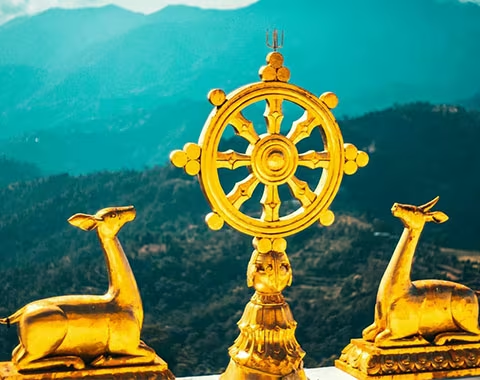 In-depth Himalayan Exploration
17 Days Expedition to the Himalayan Kingdoms: Tibet, Nepal & Bhutan from Beijing
Tour Route: Beijing - Xining - Qinghai Tibet Railway - Lhasa - Shigatse - Everest Base Camp - Gyirong - Kathmandu - Paro - Thimphu - Paro
“ Seamlessly includes top-rated attractions from Beijing to Tibet, Nepal, and Bhutan, featuring stunning views from the Tibet train and unique Himalayan cultural sites. ”
2026 Available Dates & Price: -
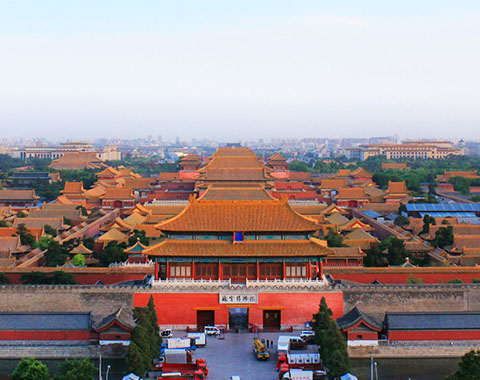 Over 20 World Cultural Heritage SitsTibet Train Experience
Tour Route: Beijing - Xi’an - Xining - Qinghai Tibet Railway - Lhasa - Shigatse - Everest Base Camp - Gyirong - Kathmandu
“ A seamless land exploration spanning across five destinations with nearly 20 of the best world cultural heritage sits in one go. ”
2026 Available Dates & Price:
Private Tibet Everest Base Camp Tour Packages
Visit Everest Base Camp in exactly the way you want. Our private Everest Base Camp tours offer you a great chance to bring your inspiration into full play. You can control over the tour pace, budget, and what’s included by taking a private tailor-made tour, discovering the Tibetan culture, religion, people and lifestyle in a deeper way with personal tour guide and vehicle. All at a reasonable price!
-
![img]() 4 Days Private Tour from Lhasa to Everest Base Camp
4 Days Private Tour from Lhasa to Everest Base CampTour Route:Lhasa - Gyantse - Shigatse - Everest Base Camp - Shigatse - Lhasa
This 4-day classic Lhasa to Everest Base Camp tour is customized for the tourists who are eager to visit the world’s highest mountain - Mount Everest with an extremely tight schedule.
-
![img]() 7 Days Lhasa to Everest Base Camp Small Group Tour: Discover the Essence of Tibet in just one week
7 Days Lhasa to Everest Base Camp Small Group Tour: Discover the Essence of Tibet in just one weekTour Route:Lhasa - Gyantse - Shigatse - Everest Base Camp - Shigatse - Lhasa
Explore the best of Tibet in 7 days on a small group tour from Lhasa to Everest Base Camp. Discover temples, lakes, local culture, and stunning Himalayan views.
-
![img]() 7 Days Private Tour from Lhasa to Everest Base Camp and Kathmandu
7 Days Private Tour from Lhasa to Everest Base Camp and KathmanduTour Route:Lhasa - Gyantse - Shigatse - Everest Base Camp - Gyirong - Kathmandu
This 7-day classic Lhasa to Kathmandu overland tour brings you to travel from Tibet to Nepal via Gyirong Port and takes in all the stunning tourist attractions along Sino-Nepal Highway.
-
![img]() 8 Days Private Tour from Lhasa to Everest Base Camp
8 Days Private Tour from Lhasa to Everest Base CampTour Route:Lhasa - Gyantse - Shigatse - Everest Base Camp - Shigatse - Lhasa
This 8-day classic Lhasa to Everest Base Camp tour takes you to get a close-up view of the world’s summit - Mount Everest at your preferred departure date and travel style.
-
![img]() 8 Days Private Kathmandu to Lhasa Overland Tour with EBC
8 Days Private Kathmandu to Lhasa Overland Tour with EBCTour Route:Kathmandu - Rasuwa Gadi - Gyirong - Everest Base Camp - Tingri - Shigatse - Gyantse - Lhasa
This 8-day Kathmandu to Lhasa overland tour takes you to travel from the gorgeous Kathmandu Valley to holy Lhasa City via Gyirong Port.
-
![img]() 9 Days Lhasa to Everest Base Camp in-depth Travel: Discover Tibet’s Top Natural and Cultural Highlights in One Go
9 Days Lhasa to Everest Base Camp in-depth Travel: Discover Tibet’s Top Natural and Cultural Highlights in One GoTour Route:Lhasa - Gyantse - Sakya - Everest Base Camp - Shigatse - Lhasa
Tourists will be accompanied by famous Palaces, temples, monasteries, Everest base camp and beautiful landscapes, such as the great Potala palace, Jokhang temple, Drepung monastery, sera monastery in Lhasa.
-
![img]() 10 Days of Central Tibet and Everest Base Camp: From the Cradle of Tibetan Civilization to the World’s Highest Peak
10 Days of Central Tibet and Everest Base Camp: From the Cradle of Tibetan Civilization to the World’s Highest PeakTour Route:Tsedang - Yamgdrok Lake - Gyantse - Shigatse - Sakya - EBC - Shigatse - Lhasa
This carefully crafted journey weaves together the majestic landscapes, deep spiritual heritage, and rich ethnic folklore of the Tibetan plateau, taking you through its most iconic and culturally significant destinations. Begin in Lhasa, the vibrant
-
![img]() 10 Days Grand Natural Beauty of Tibet: Holy Lakes, Mt. Everest, and Majestic Glaciers in One Epic Journey
10 Days Grand Natural Beauty of Tibet: Holy Lakes, Mt. Everest, and Majestic Glaciers in One Epic JourneyTour Route: Lhasa - Lake Namtso - Lhasa - Shigatse - EBC - Shigatse - Lhasa
For landscape photographers, no itinerary is more alluring than this one. The ultimate scenery of EBC, sacred lakes and lofty mountainous ranges and tough nomads, glaciers will definitely blow your mind away.
-
![img]() 10 Days Himalaya Mountain Expedition: Journey from Lhasa to Two Base Camps Above 8,000 Meters
10 Days Himalaya Mountain Expedition: Journey from Lhasa to Two Base Camps Above 8,000 MetersTour Route:Lhasa - Gyangtse - Shigatse - Everest Base Camp - Cho Oyu Base Camp - Shigatse - Lhasa
This 10 days Himalaya mountain Expedition tour for those who want to have an off-the-beaten path and explore parts of the Himalaya fewer people can see. Along this journey, you will start by exploring the ancient city of Lhasa and all the amazing mo
-
![img]() 11 Days Best of Tibet Tour with EBC
11 Days Best of Tibet Tour with EBCTour Route:Lhasa - Shigatse - EBC - Lhasa - Nyingchi
This tour route almost covers all the well-known tourist sites in Tibet. After flying from Chengdu to Nyingchi, you can explore the forest and lakes in the eastern Tibet, then head west to Lhasa, the capital of Tibet, and then continue west to Mt. Everest.
-
![img]() 9 Days Student Tour to Everest Base Camp
9 Days Student Tour to Everest Base CampTour Route:Lhasa - Gyangtse - Shigatse - Sakya - Mt.Everest - Shigatse - Lhasa
This tour to Everest Base Camp Tout is tailor-made for students. During this trip, students will visit the world's highest primary school, the world's highest mountain and the world's highest temple, and enjoy fabulous scenery en route.
-
![img]() 9 Days Lhasa to EBC Photography Expedition: Capturing the Essence of Tibet Through Your Lens
9 Days Lhasa to EBC Photography Expedition: Capturing the Essence of Tibet Through Your LensTour Route:Lhasa - Gyantse - Everest Base Camp - Shigatse - Lhasa
Lhasa to EBC photography expedition will let you venture into the heart of the Himalayas and capture the beauty of Mt.Everest and Tibetan manasteries with professional Tibetan tour guides.
-
![img]() 9-Day EBC Family Adventure: A Thrilling Tibet Journey for All Ages
9-Day EBC Family Adventure: A Thrilling Tibet Journey for All AgesTour Route:Lhasa - Gyantse - Everest Base Camp - Shigatse - Lhasa
EBC family adventure offers you a golden chance to explore unique Tibetan culture and visit the world's summit - Mount Everest with little kids and elderly parents.
-
![img]() 9 Days Lhasa to EBC Motorcycle Tour: Conquer the Himalayas on Two Wheels
9 Days Lhasa to EBC Motorcycle Tour: Conquer the Himalayas on Two WheelsTour Route:Lhasa - Gyantse - Everest Base Camp - Shigatse - Lhasa
EBC motorcycle tour will lead you to an excellent adventure. You will be immersed in the vastly different landscapes and marvelous Tibetan culture, admire the mighty Mount Everest.
-
![img]() 15 Days Cycling across the Himalayas, Lhasa to Everest Base Camp Bike Adventure
15 Days Cycling across the Himalayas, Lhasa to Everest Base Camp Bike AdventureTour Route:Lhasa - Gyangtse - Shigatse - Lhatse - Everest Base Camp - Shigatse - Lhasa
Embark on an extraordinary adventure tailored for bicycle enthusiasts worldwide - the captivating bicycle tour from Lhasa to Everest Base Camp.
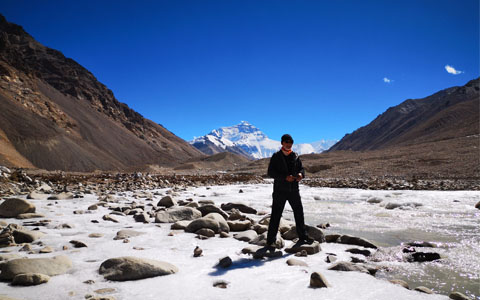

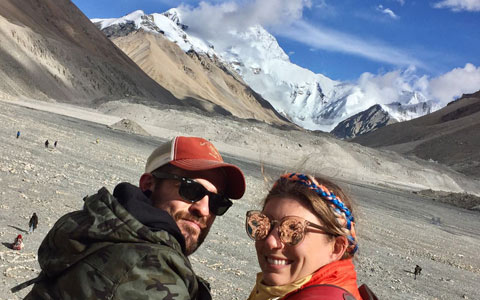
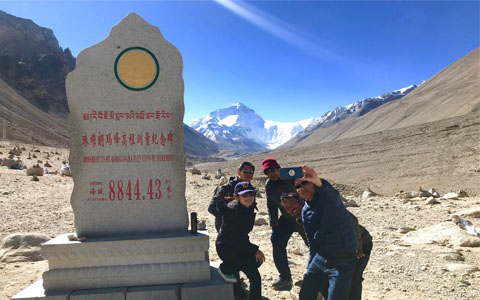
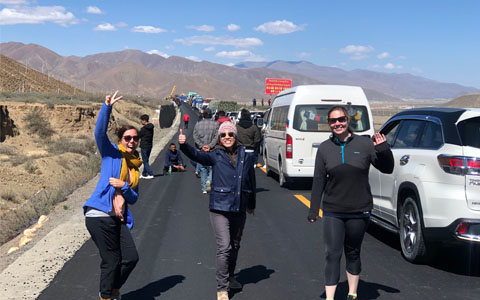
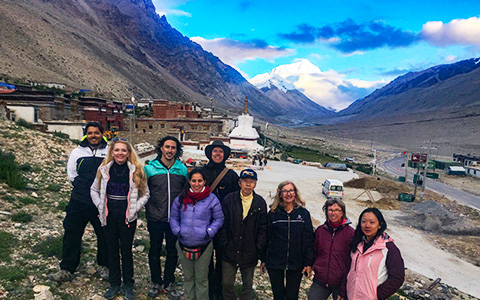
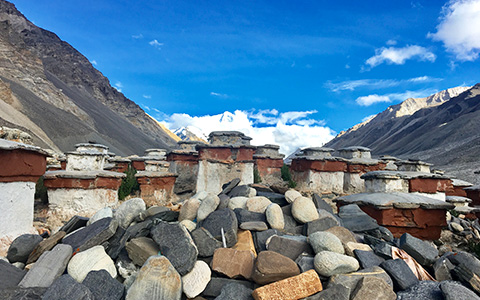
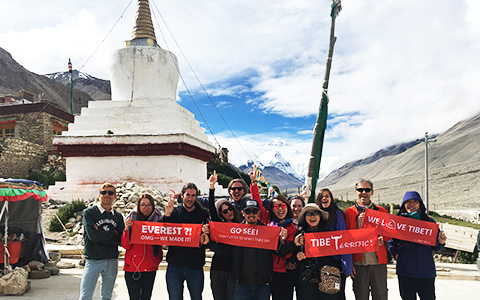
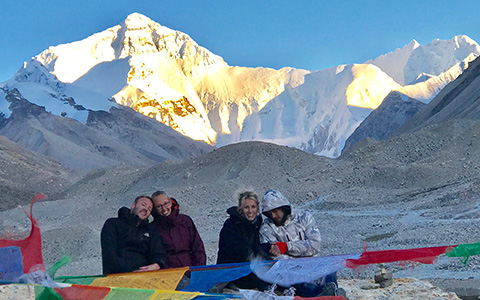
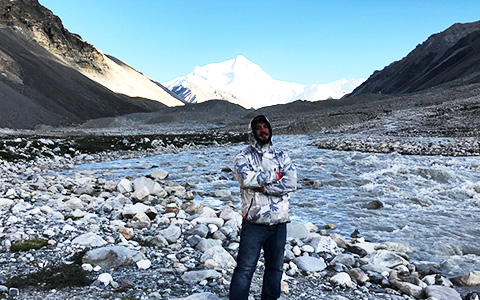

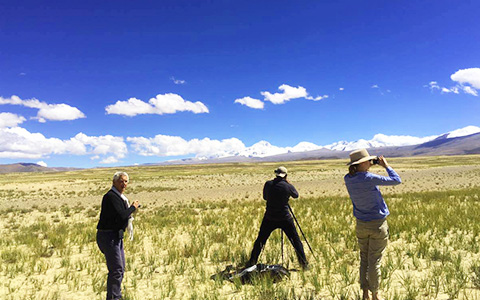
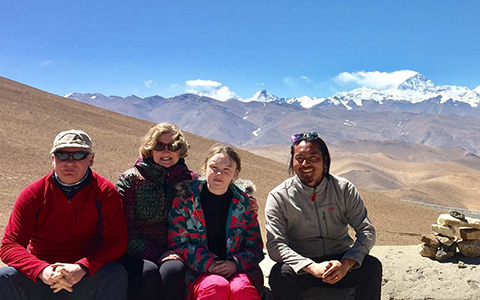
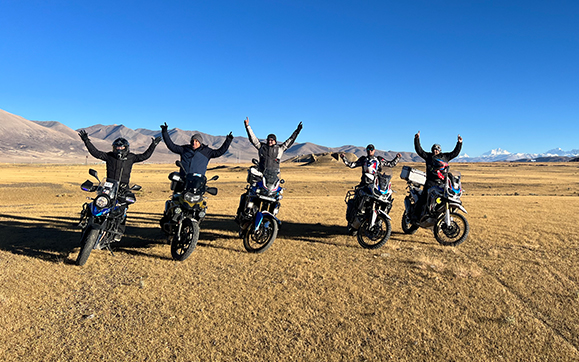
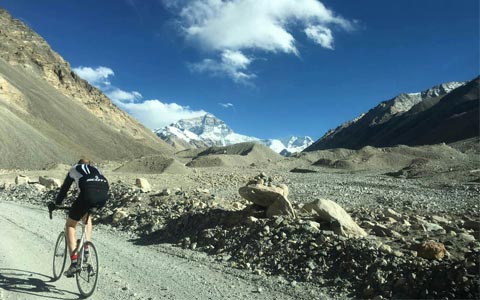
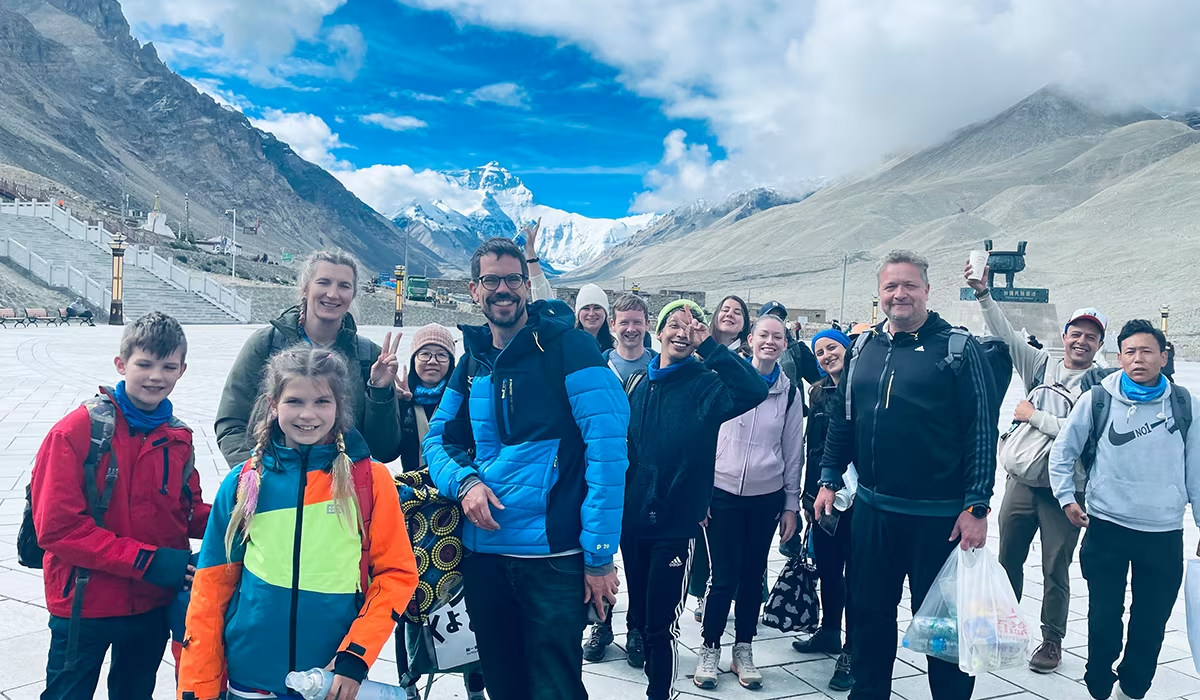
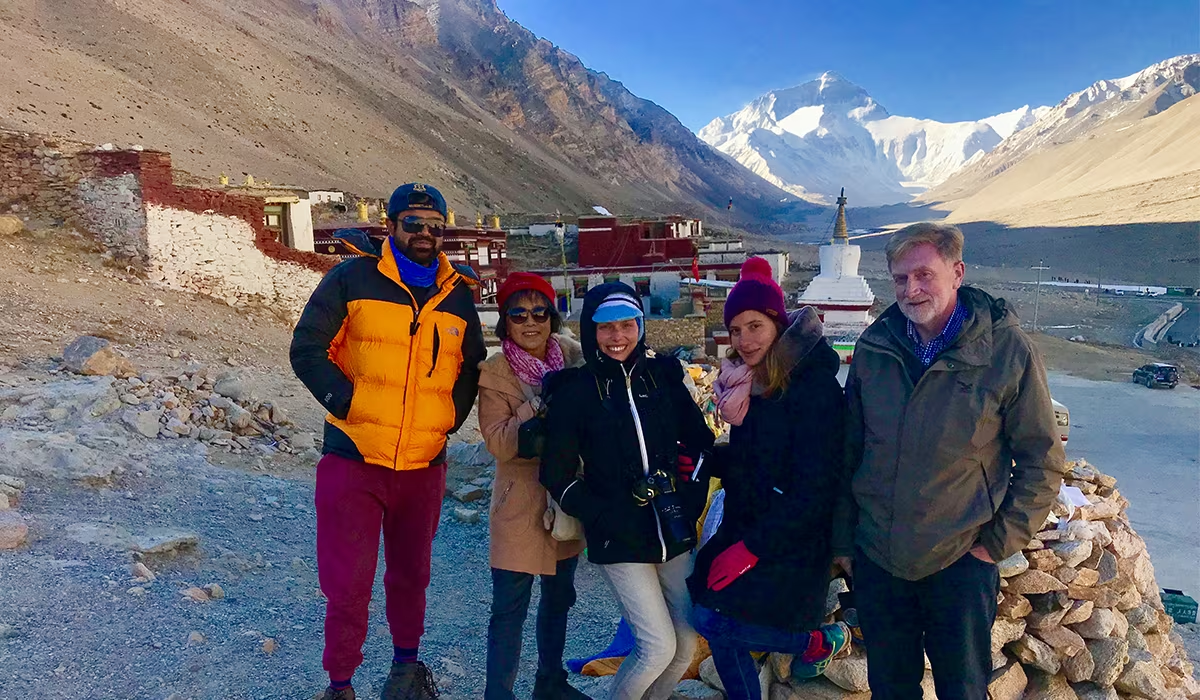
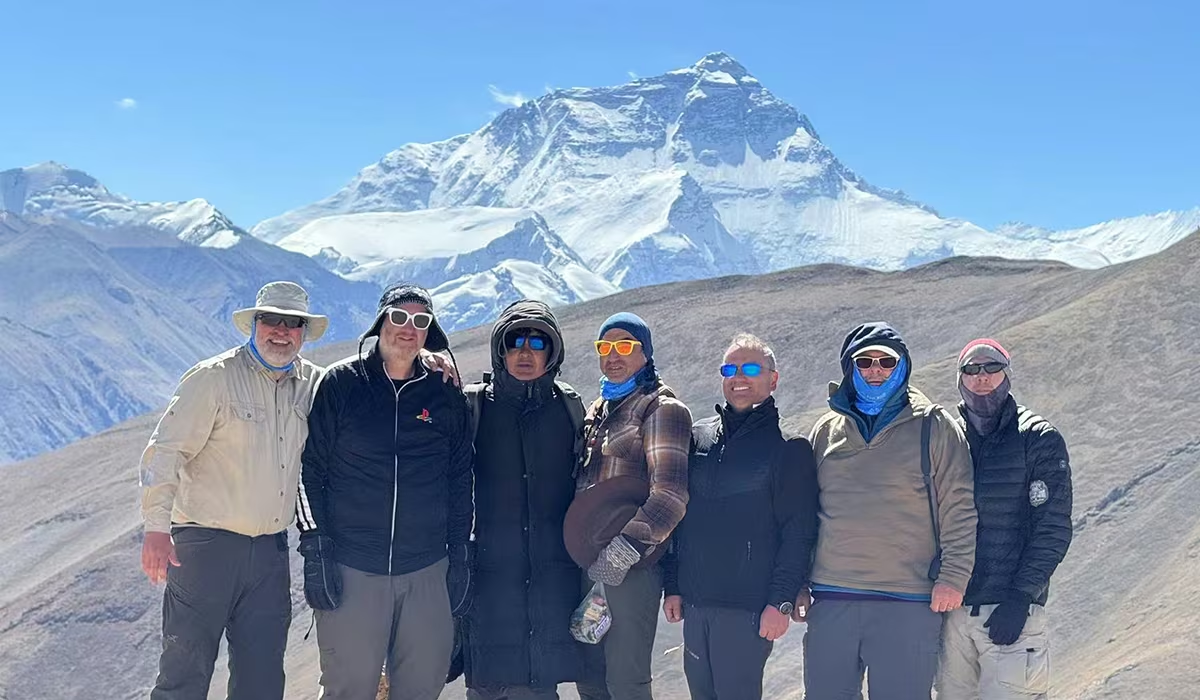
Tibet Everest Base Camp Tour Photos & Videos
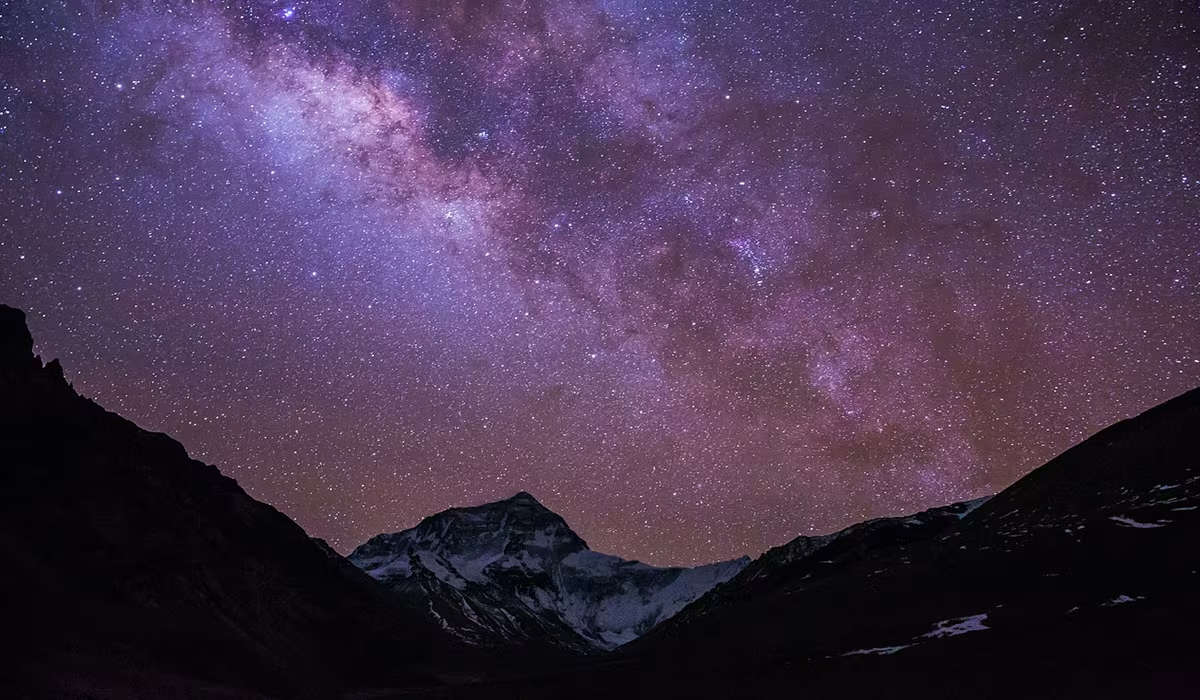
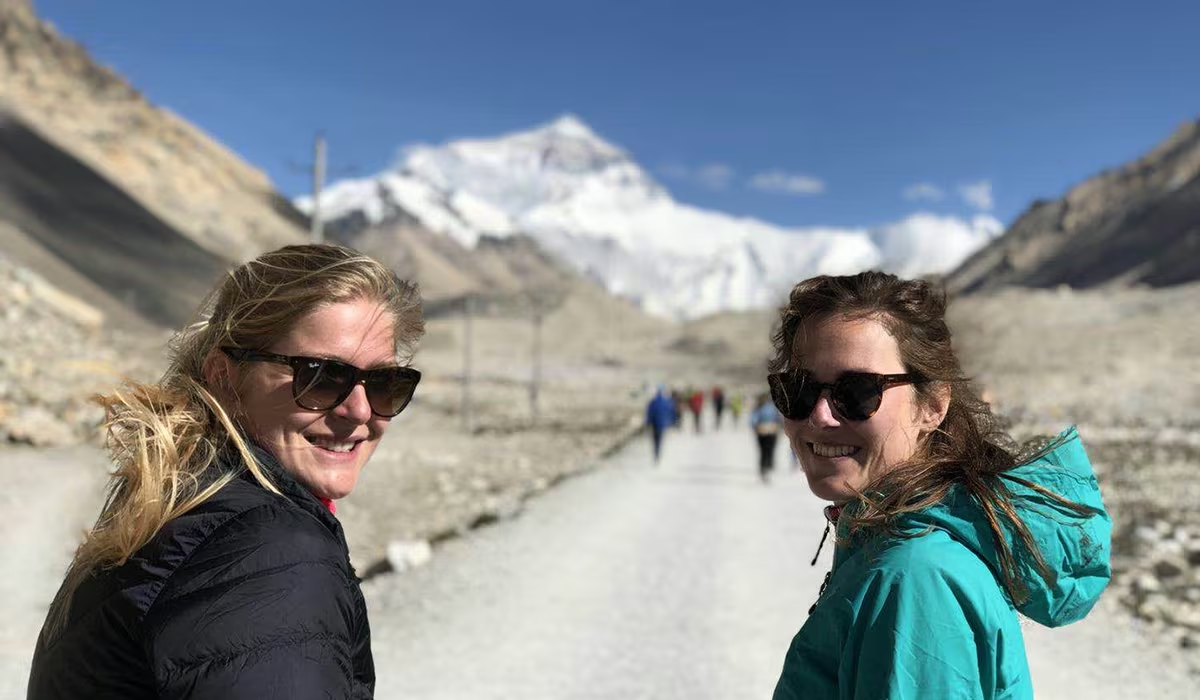
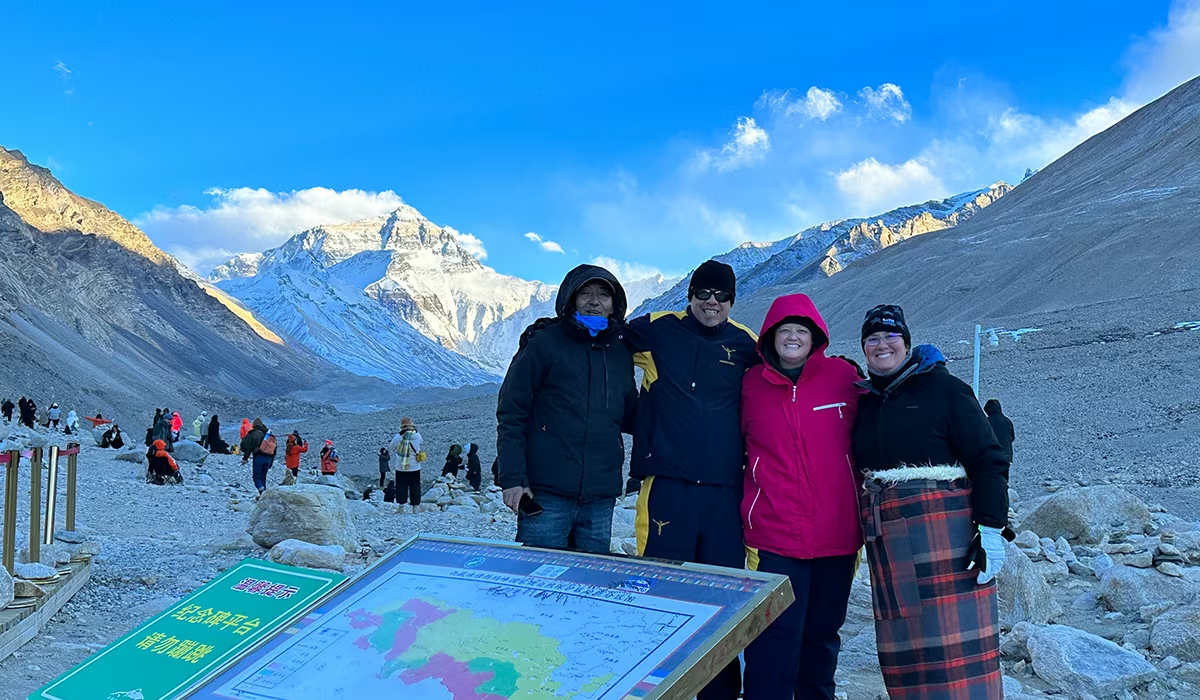
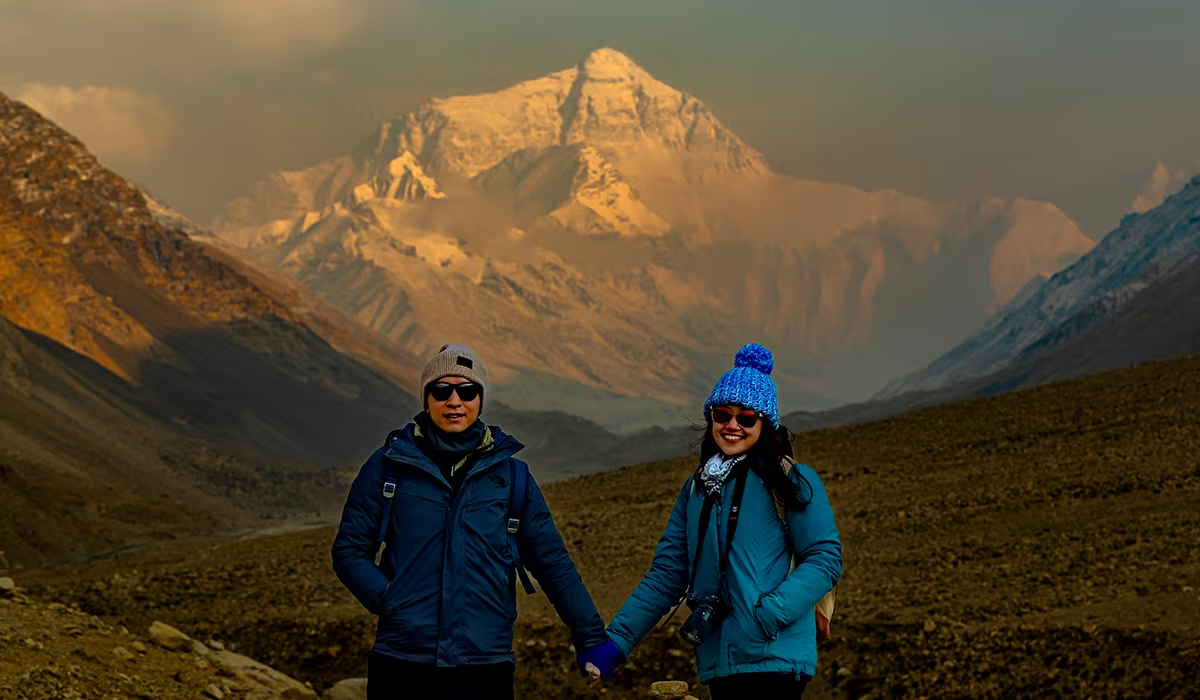
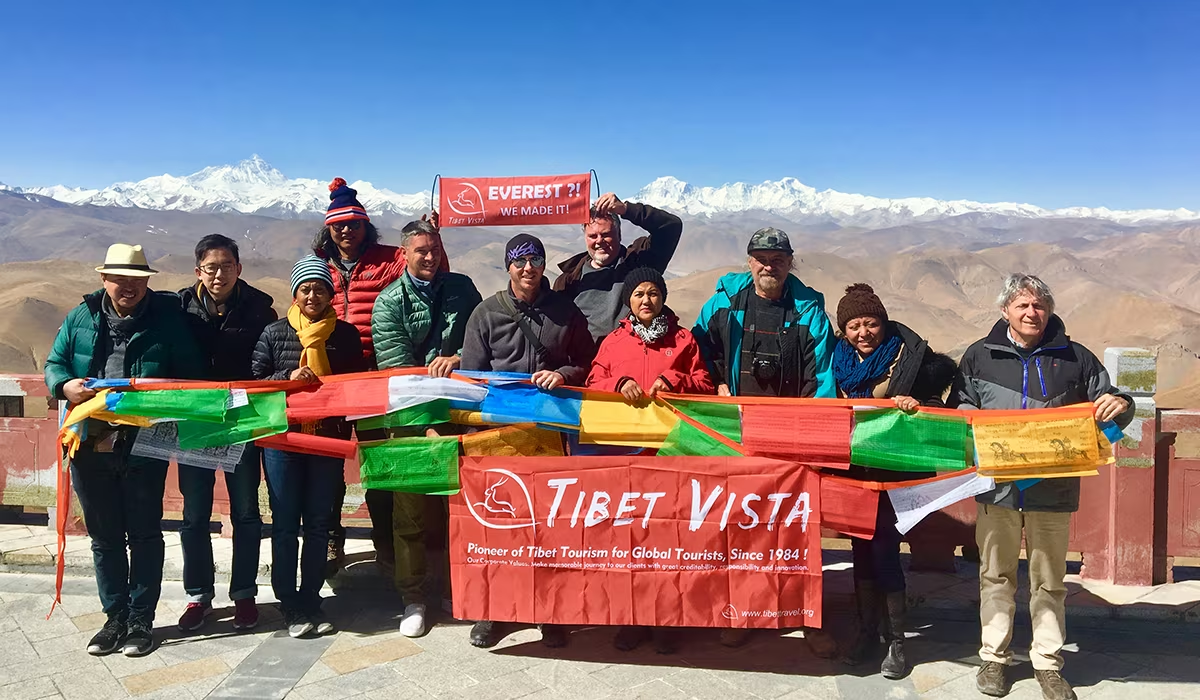
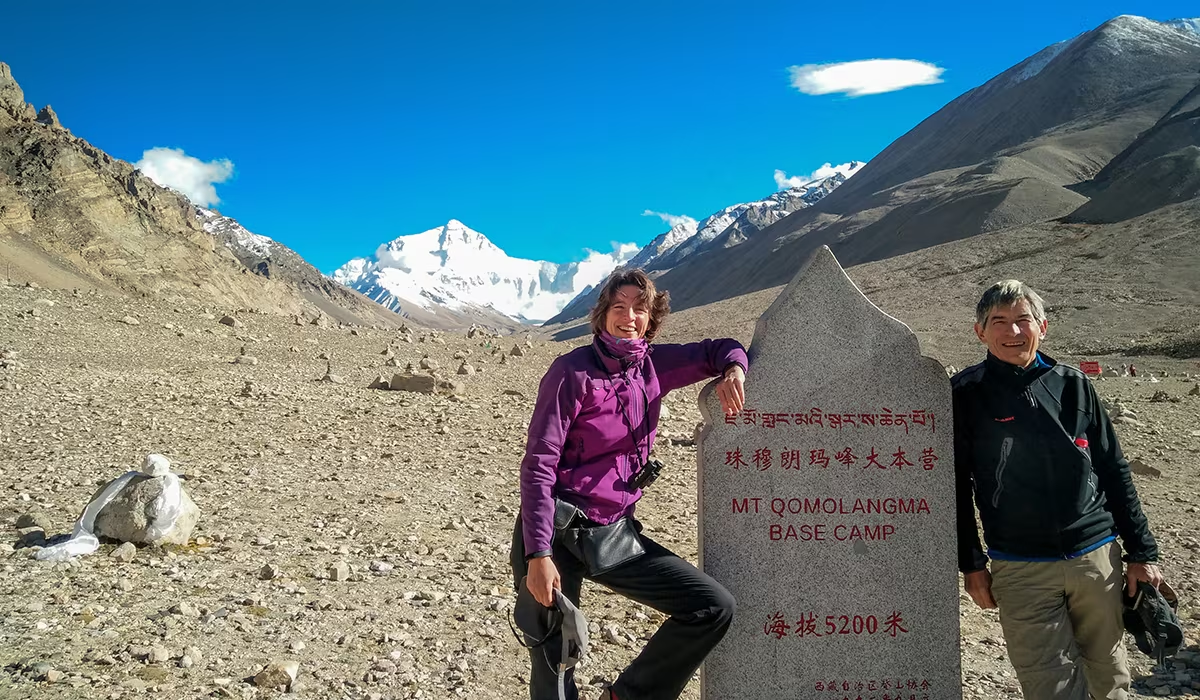
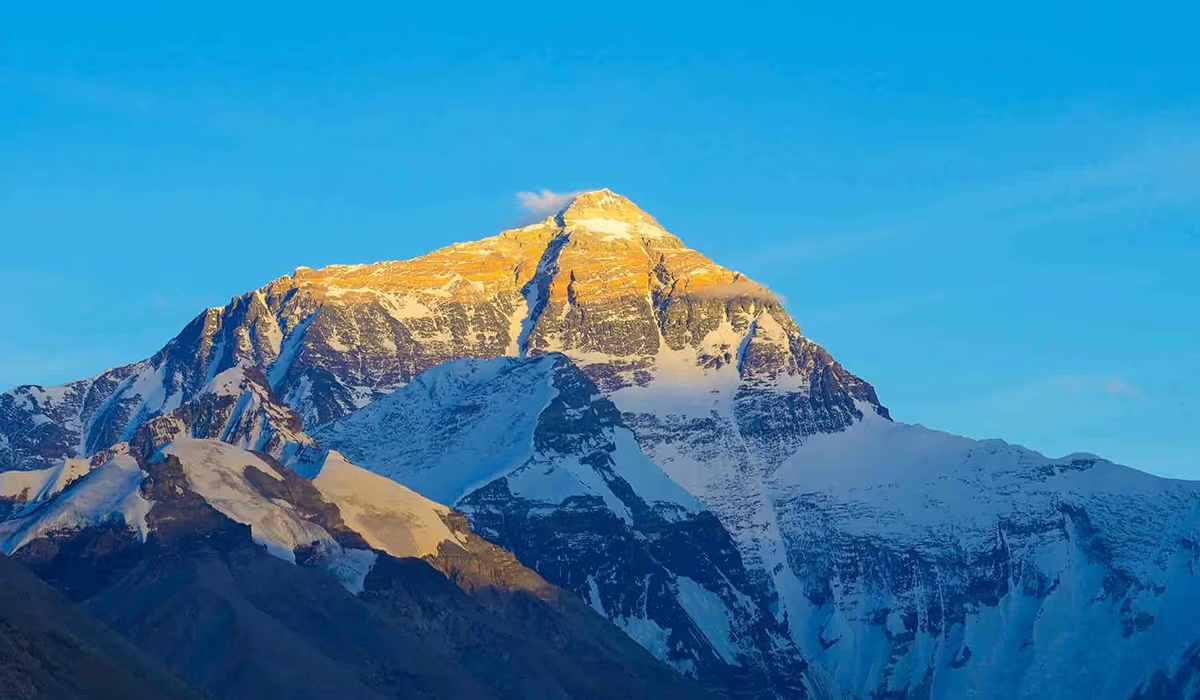
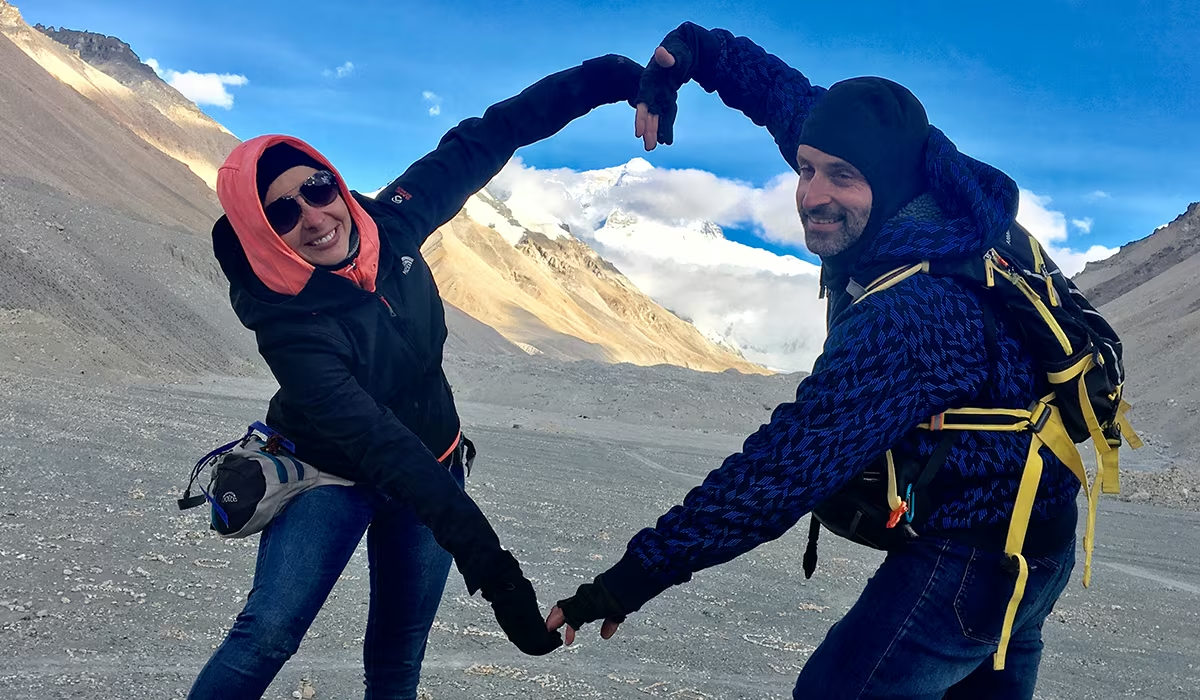
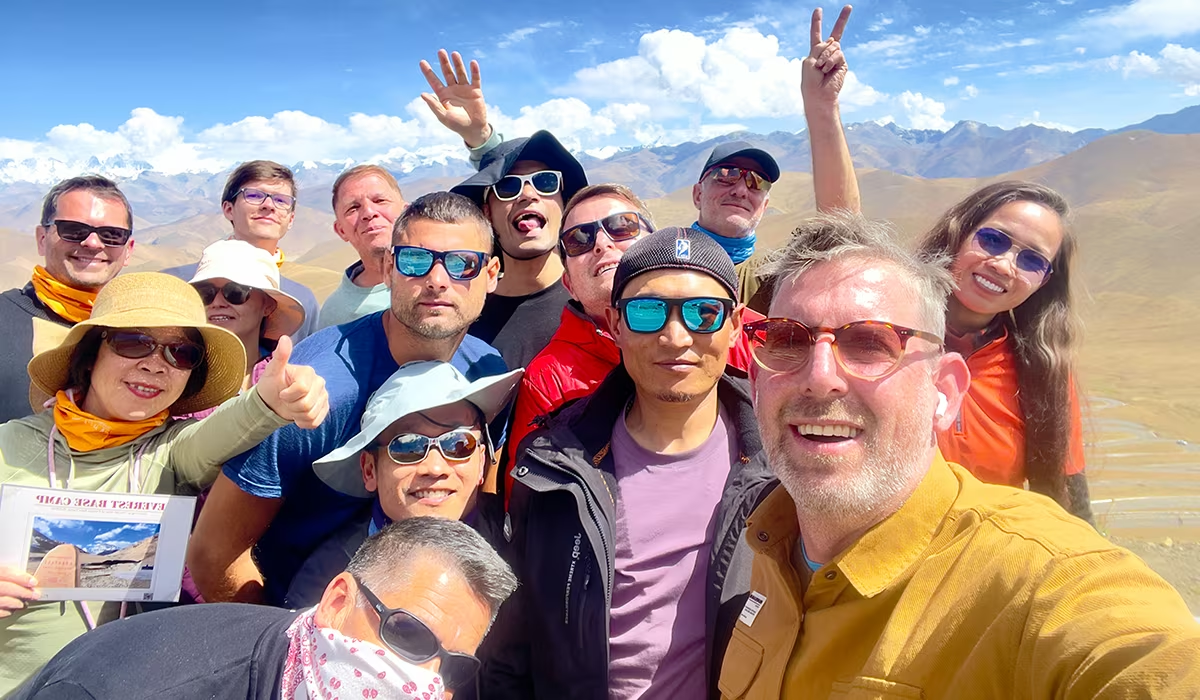
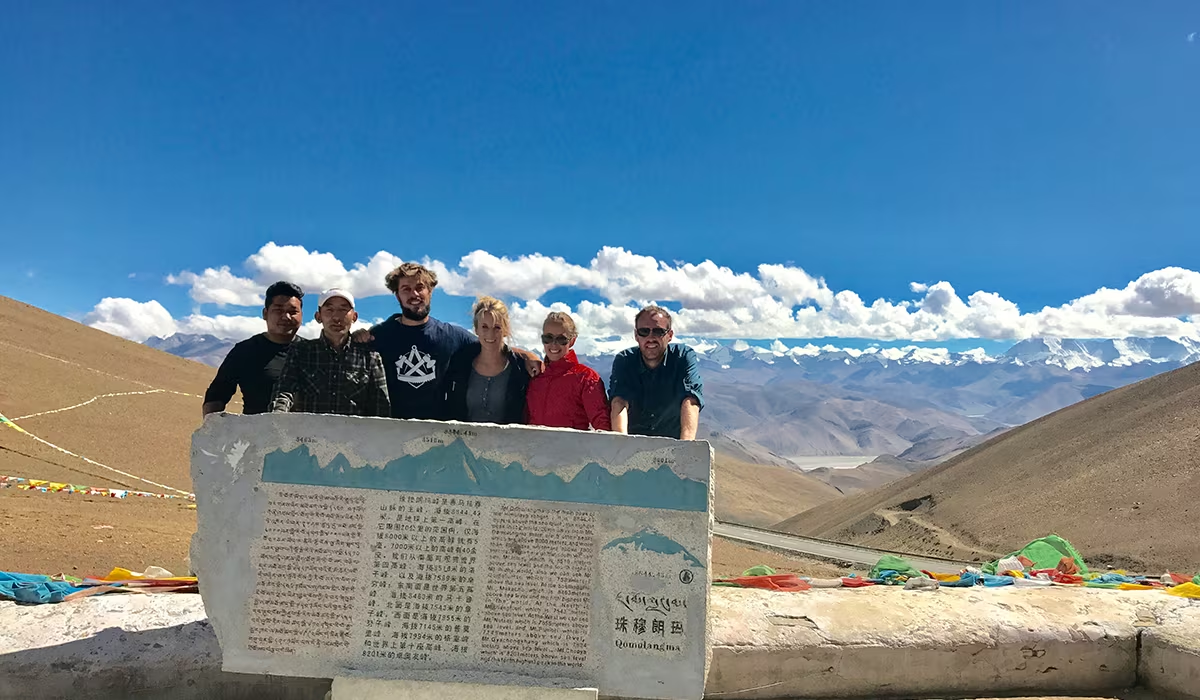
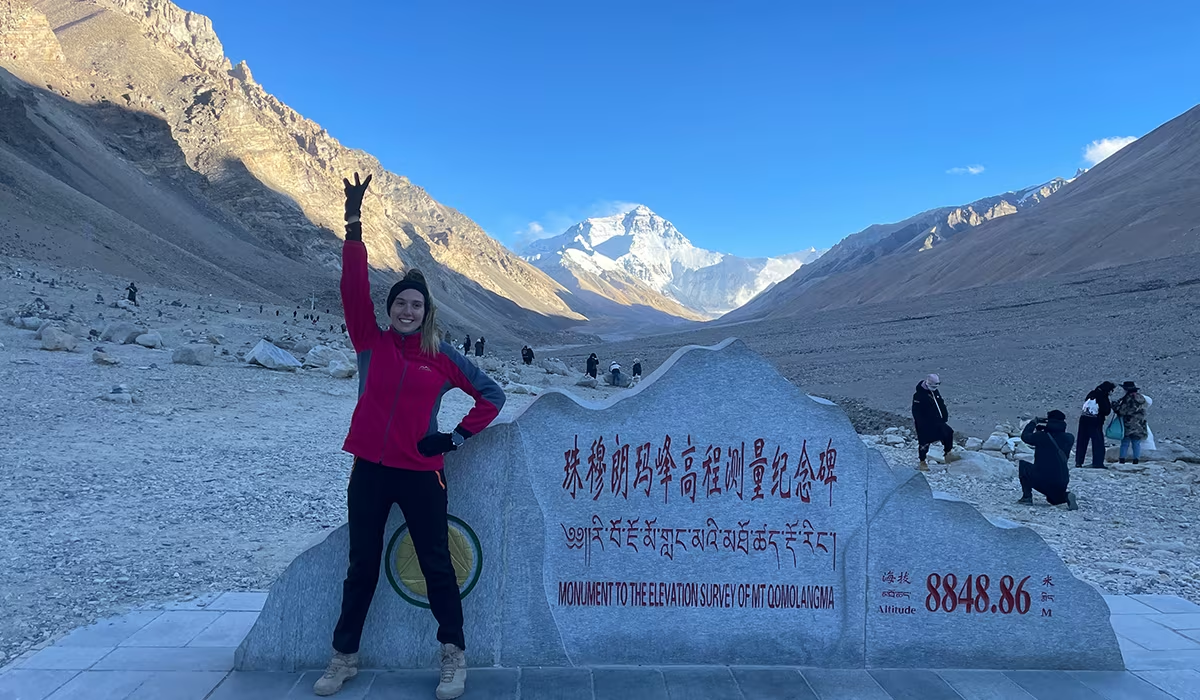
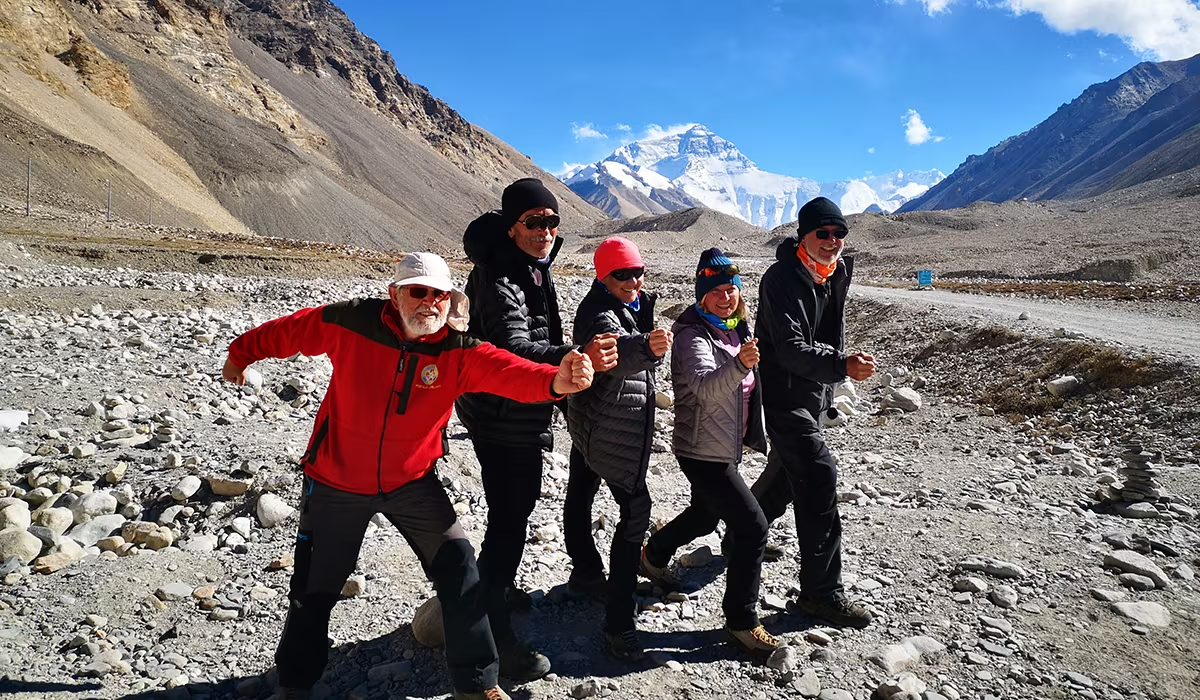
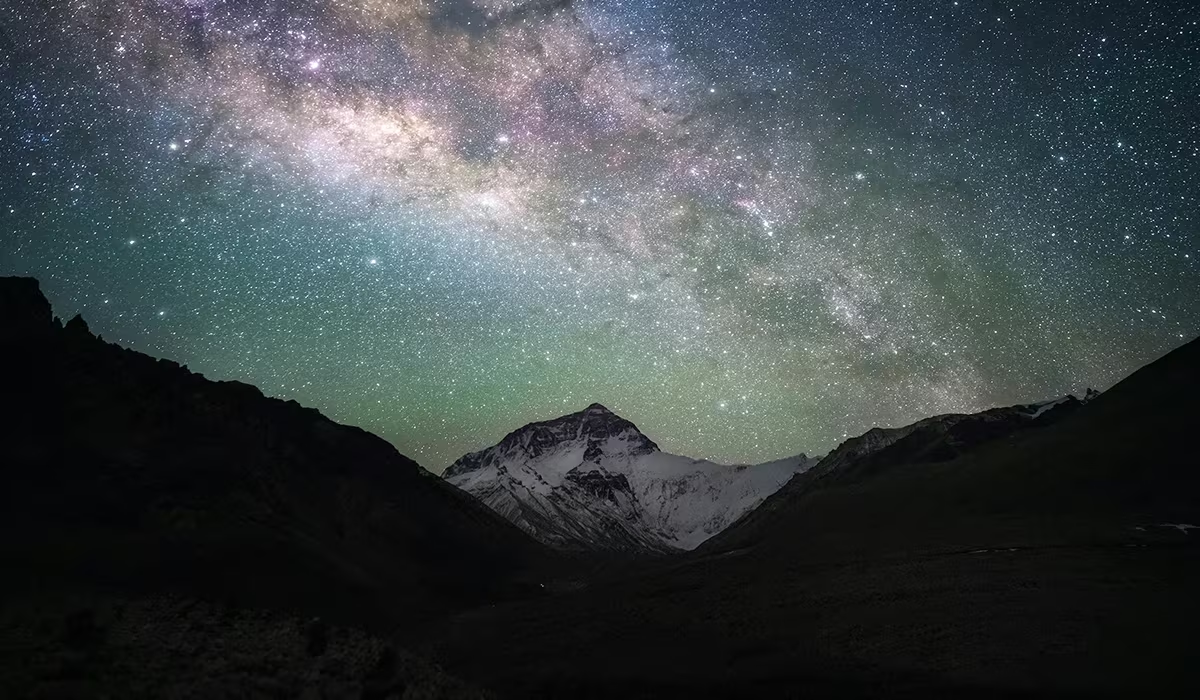
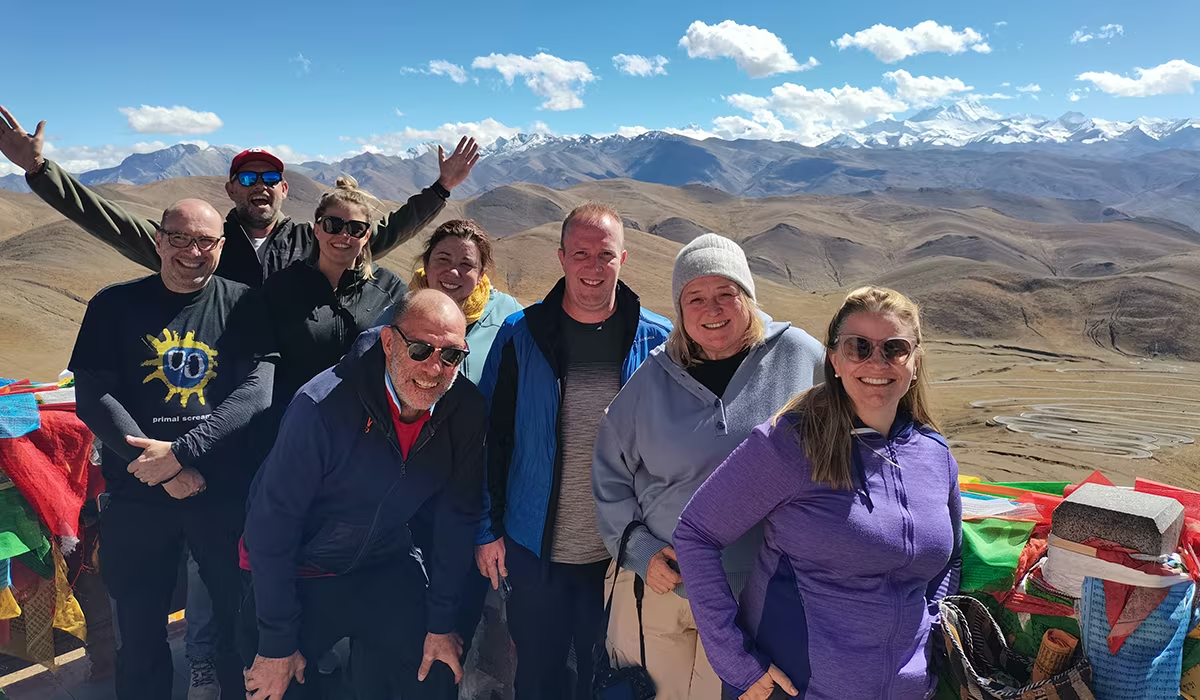
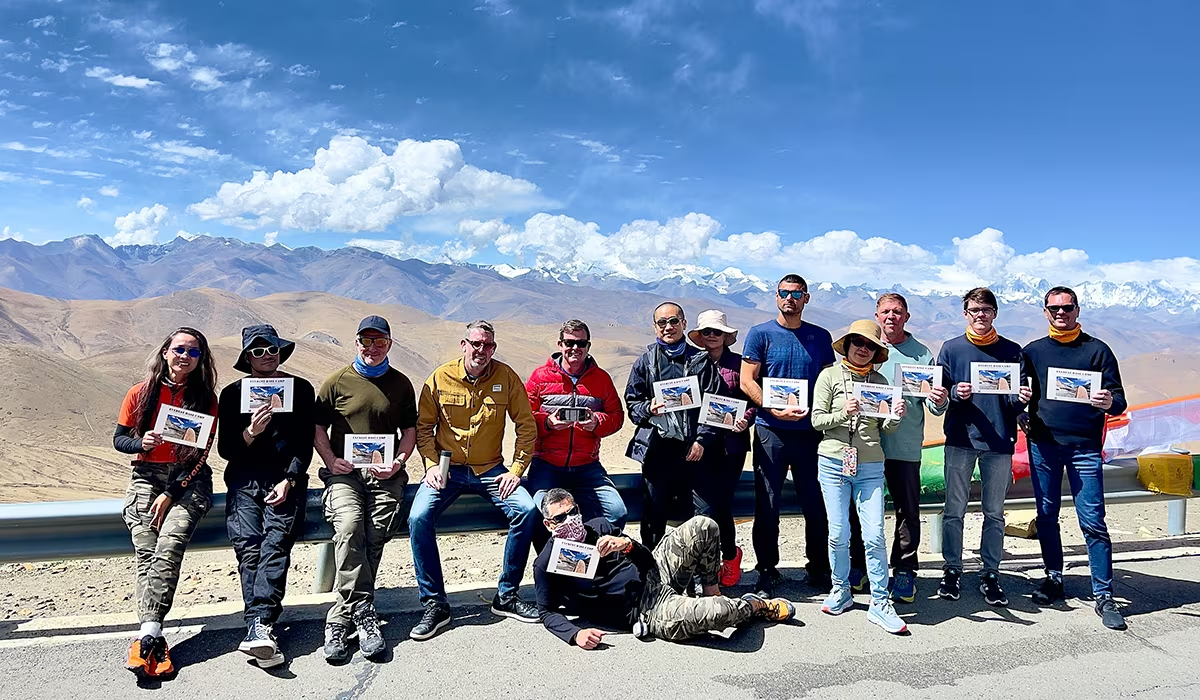
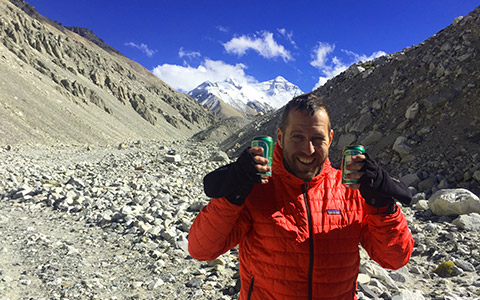
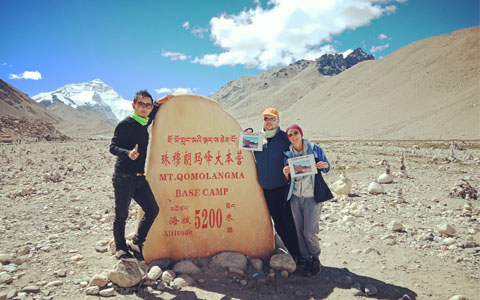
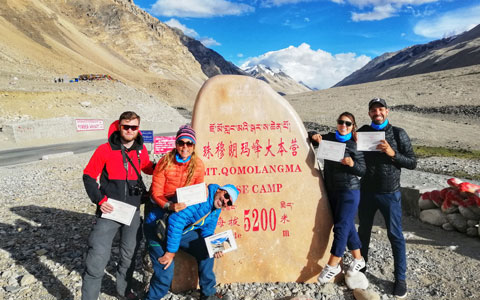
Take a glimpse of the imposing Mt. Everest and feel the contagious excitement shared by our clients through photos and videos recorded at Everest Base Camp in Tibet.
FAQs about Tibet Everest Base Camp Tours
-
1. What Is the Best Time to Visit Everest Base Camp in Tibet?
Everest Base Camp in Tibet is one of the most popular destinations and welcomes global visitors all year round.
For most travelers, April to Early June and September to October are the best times to visit Everest Base Camp in Tibet.
During these months, the air feels crisp and fresh, the temperature is mild and cozy (5°C to 13°C daytime), and you can enjoy the clearest Himalayan skies to admire and capture the majestic north face of Mount Everest and other towering peaks along the mighty Himalayan Range. Meanwhile, the road condition is also perfect for a smooth ride from Lhasa to the Tibet EBC.
If you are traveling on a budget, November to February, the Tibet Winter tour season, is another perfect time to visit Mt. Everest. During these time frames, Tibet train tickets are easier to get, and you can enjoy hefty discounts on flights to Lhasa, 4 to 5-star hotels, and free entrance to Tibet EBC and other major Tibetan attractions, with fewer crowds and high visibility for an immersive Mount Everest travel experience.
Besides, July to August is traditionally known as the monsoon season in Tibet. The Mt.Everest may decide to hide in clouds for a while. However, no worries! This is part of the charm of the Himalayas. Our seasoned local Tibetan guides know Mount Everest’s moods very well. They will pay close attention to weather changes and help you plan the best time to walk out, find the right viewpoint, and see Everest in her full glory.
Month Avg Temp(°C) Clear Days Rainfall (mm) Wind Speed January -17~4 29 6 7.4km/h February -16~3 29 4 9 km/h March -12~7 30 4 13 km/h April -9~10 29 10 6 km/h May -2~12 30 7 11 km/h June -1~15 29 20 10 km/h July 8~17 26 94 10 km/h August 10~23 28 108 9 km/h September 0~19 29 29 9 km/h October -8~17 30 18 22 km/h November -10~10 28 1 17 km/h December -15~5 29 4 8.9 km/h -
2. Can Elderly People or Children Visit the Tibet Everest Base Camp?
Yes, first and foremost, there is no official age limit for older travelers and children to Tibet Everest Base Camp. As an award-winning Mount Everest tour operator, we’ve helped numerous families who travel with older parents and small kids to the Tibet EBC, with attentive care and complete success.
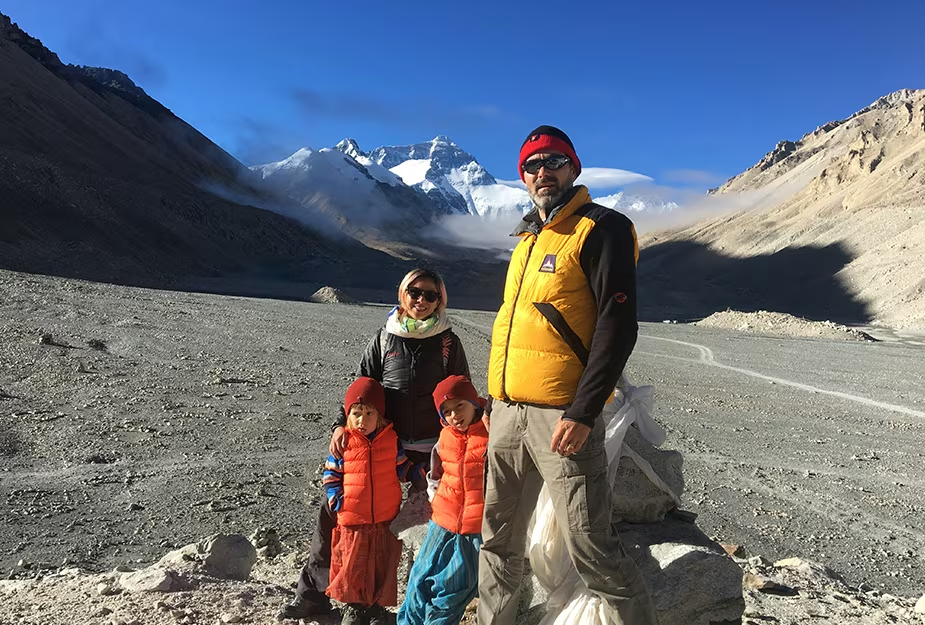
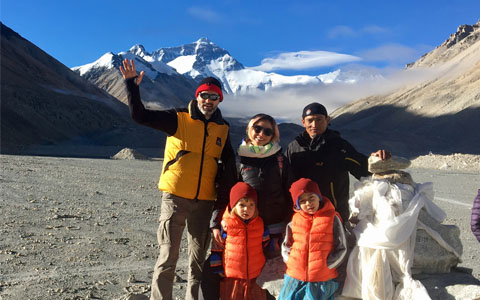
Our oldest guest was an 82-year-old guest from Germany, Gerhard Raab. He made it to the Tibet Everest Base Camp on his way to sacred Mt. Kailash in September 2018. Whereas our youngest guests were two little brothers, ages 4 and 6, traveling with their parents to the Tibet EBC from Switzerland in June 2017.
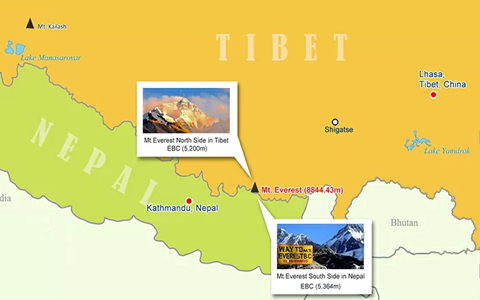
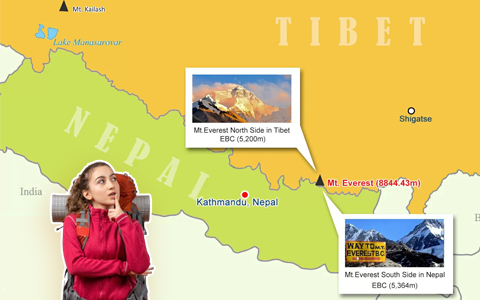
Besides, it’s good to know that reaching Tibet Everest Base Camp is much easier than the Nepal EBC. In Nepal, travelers need to trek for days. But here in Tibet, you can sit comfortably in our tour vehicle and enjoy well-paved roads all the way from Lhasa to Everest Base Camp, with rest stops and oxygen supplies along the journey.
So, for travelers of all ages, including older travelers and small kids, as long as you are in good health, you can visit the Tibet Everest Base Camp safely and comfortably, plus the best local Tibet travel service from us.
-
3. How Long Does It Take to Drive from Lhasa to Everest Base Camp? Is it too Tiring?
It usually takes two full days to drive from Lhasa to Tibet Everest Base Camp, covering around 639 km via enchanting Gyantse County and Shigatse City, Tibet’s second largest city and the gateway to Mount Everest.
Although it sounds long, most of our guests find it enjoyable and not too tiring because this overland experience is part of the highlight of our classic 8-day Lhasa to EBC tour with the most beautiful scenery in central Tibet.
Along the way, we make many relaxing stops to stretch your legs, enjoy the views, and explore local sights. You will admire one of the top three holy Tibetan lakes and savor authentic Tibetan cuisines in a local Tibetan family restaurant, hang auspicious Tibetan prayer flags, capture vast glaciers and the highest peaks on the rolling Himalayan Range, and beyond.
Besides, our humorous and knowledgeable local Tibetan guides love to share intriguing stories of Tibetan culture and history, while our friendly local Tibetan driver may fill the clean, comfortable tour vehicle with folk songs when the mood strikes. Little moments like these make the long journey feel relaxing and enjoyable.
-
4. Will I Get Altitude Sickness for Visiting Everest Base Camp? Is It Serious?
Every traveler reacts differently to high altitude at the Tibet EBC (5,010m). Some may feel mild symptoms like faster breathing, while others feel perfectly fine. This is completely normal as your body is adjusting to the high elevation.
Please don’t worry. Our experienced local Tibetan guide will stay with you throughout the journey and keep a close eye on every guest’s blood oxygen level. If you need help, oxygen supplies are always available, and our local Tibetan guide will know exactly what to do to make you comfortable. Meanwhile, all the hotels at the Tibet EBC have oxygen supplies to help you rest well at night.
Besides, our Mount Everest itineraries are carefully planned to help you acclimatize step by step, starting from Lhasa (3,650m), then Shigatse (3,840m), and finally reaching the Everest Base Camp (5,010m) in 5 days. This gradual ascent gives your body plenty of time to adjust. So, the chances of getting acute altitude sickness are very low.
With a relaxed mind, a slow pace, and the care of our professional Tibetan team, most travelers can manage the altitude very well and enjoy the precious time spent at the Tibet EBC.
-
5. What Are the Road Conditions Like? Will I Get Carsick? Are There Toilets or Restaurants along the way?
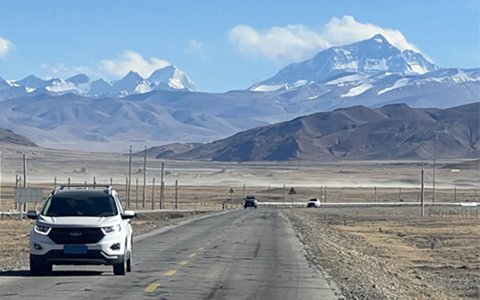
The road from Lhasa to Tibet Everest Base Camp is actually one of the best in Tibet, as it mainly follows the scenic and well-paved G318 National Highway. The asphalt road is in perfect condition and regularly maintained.
Traveling along the wide, boundless roads with the majestic Himalayan peaks and sparkling alpine lakes stretching out before you, you will enjoy every minute of this epic journey.
Besides, our local Tibetan driver knows every curve of the plateau roads and always drives gently and safely. Thanks to his smooth driving, most of our guests feel very comfortable on the way and rarely get carsick.
Restrooms and local restaurants are available at most sightseeing stops and in towns. Our attentive Tibetan guide and friendly driver will plan comfortable stops for you to use the restroom and enjoy clean, safe, and tasty Tibetan or Sichuan-style food. No worries at all.
-
6. What Is the Accommodation like at Tibet EBC? Is there Hot Water, Electricity, or Internet?
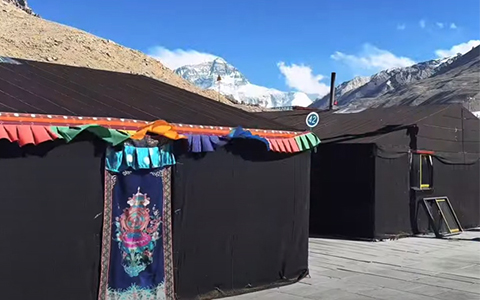
Currently, the newly-upgraded tent hotels (a total of 54 tents) and the Rongbuk Hotel are the only accommodations available at the Tibet EBC.
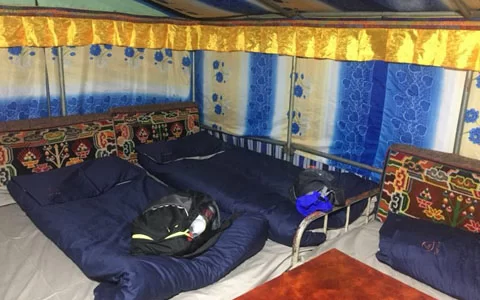
The brand-new tent hotels are spacious and clean. Every tent is divided into eight private rooms, offering different room types such as single rooms, double rooms, and twin rooms.
Inside each tent, there is a cozy public area where travelers can relax, chat, or enjoy a cup of coffee together on comfortable sofas. You will also find a small sink with running water and a hot-water dispenser. For hygiene, several basins and disposable liners are provided so you can wash up comfortably and cleanly, and the bedding is freshly changed for every guest. However, due to the shortage of water, there are no shower facilities at the Tibet EBC.
Besides, you may also find thoughtful amenities, such as a disposable toothbrush and toothpaste, slippers, two bottles of free drinking water, a cup, a humidifier, an electric blanket, warm blankets, and oxygen supplies. You can easily charge your phone in your room or use free Wi-Fi to share Everest photos online. So, everything is clean, tidy, and helpful for a comfortable night’ sleep.
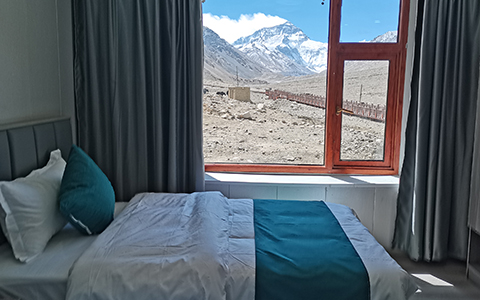
Alternatively, you may stay in the Rongbuk Hotel, which is the best accommodation at the Tibet EBC. You can enjoy private Western toilets, running tap water, underfloor heating, humidifiers, cozy rooms & a decent restaurant offering epic Everest views and authentic Tibetan hot pot, diverse Chinese cuisines, and hearty breakfasts. It’s truly a “luxury” at such a high altitude, even if no showering facilities are available.
With just 25 rooms available year-round, early booking is essential. For our guests, we offer one-stop booking services to secure your stay at Rongbuk Hotel for an unforgettable Everest Base Camp tour.
-
7. What Kind of Food Is Available from Lhasa to EBC? Tibetan or Chinese Food? Are there Vegetarian Options?
As to dining from Lhasa to the Tibet EBC, Tibetan and Sichuan-style cuisines are the most common food available on this scenic and popular travel route in Tibet. Our local Tibetan guides will help you choose the clean and ideal restaurants for you to enjoy warm and tasty food along the way.
For Tibetan food, you can enjoy nutritious Tibetan noodle soups, all sorts of yak meat dishes, Tibetan momo (dumplings), mutton, Balep (Tibetan bread), Tsampa (roasted barley flour), Dresil (Tibetan sweet rice), Tibetan yogurt, Khapse (Tibetan pastry), or drink comforting Tibetan sweet tea, butter tea, and more.
What’s more, since many restaurants in Tibet are run by businessmen from Sichuan and Chongqing, Sichuan-style dishes are also very common and popular all the way from Lhasa to the Tibet EBC. You can find dishes like tomato and scrambled eggs, shredded pork with green peppers, twice-cooked pork, mapo tofu, and stir-fried shredded potatoes, and beyond. These simple and flavorful foods will enrich your dining options for your journey.
For vegetarian travelers, you can enjoy vegetable noodles, fried rice with vegetables, cabbage or potato dishes, and Tofu soups without meat to keep your stomach warm and fulfilling. Alternatively, you can always bring some snacks like biscuits, nuts, chocolate, or fruit for the road, just to add a little extra comfort.
Once you reach the Tibet EBC, now you can find a large base camp restaurant that serves yak meat hotpot, Tibetan noodle soup, a variety of Sichuan-style dishes, grilled sausage, instant noodles, Tibetan sweet tea, and snacks like potato chips, biscuits, and chocolate. There is also a cozy café offering Americanos, lattes, and hot milk, perfect for sipping as you admire Mt. Everest.
If you stay at the Rongbuk Hotel, you can dine at its on-site restaurant. In the morning, you can enjoy a simple buffet with boiled eggs, pancakes with strawberry and honey jam, porridge, Tibetan sweet tea, and a few light dishes like pickles and peanuts. For lunch and dinner, you can try travelers’ favorites such as yak meat hotpot, stir-fried noodles, and other tasty Sichuan-style dishes, perfect for warming up at Tibet EBC.
-
8. What Gear Should I Bring? What Clothes, Shoes, and Medicines Are Needed?
Visiting Tibet Everest Base Camp is easier than you expect. There’s no need for special gear. The accommodations at Tibet EBC provide enough comfort, good dining, and washing facilities, so you can travel light.
For clothing, it’s best to dress in layers and keep warm. So, you can adjust to the changing temperatures during the day and evening. A warm jacket, a fleece or sweater, and a comfortable base layer will keep you cozy. Comfortable sports shoes or trekking shoes are ideal for exploring and short walks around the Base Camp area.
As for medicines, there’s no special requirement for the trip. If you have any health concerns or need medications, it’s always a good idea to consult your doctor before traveling. And don’t forget your sun protection too, like sunglasses, sunscreen, and a wide-brimmed hat, as the sunlight at high altitude can be quite strong.
-
9. Where Are the Best Photo Spots for Mount Everest? Will the Guide Take Us There?
The best spots to photograph Mount Everest start to reveal one after another after you enter the Qomolangma (Everest in Tibetan) National Nature Preserve.
Shortly after the tour bus winds its way through 108 hairpin turns, you will reach the Gawula Pass (5,198m). It is one of the best places to capture five of the tallest Himalayan peaks standing shoulder-to-shoulder on the rolling Himalayan Range, with mighty Mount Everest proudly rising in the front row.
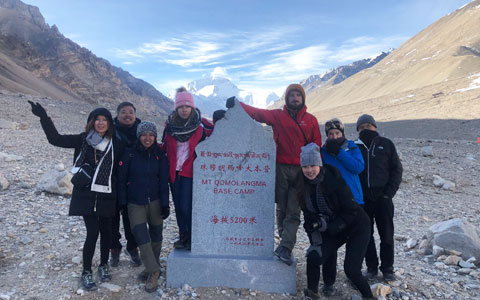
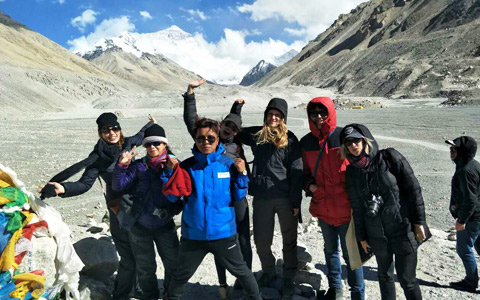
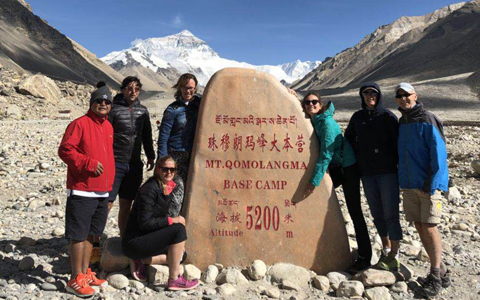
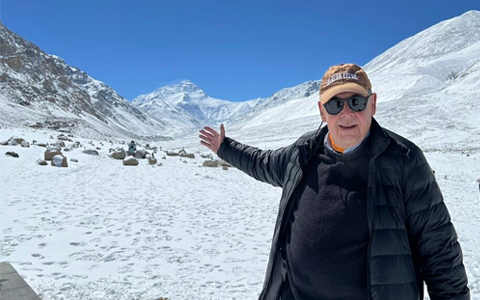
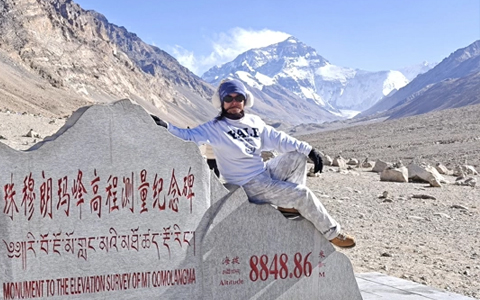
Once you reach the Tibet Everest Base Camp, the Mount Everest markers are another hotspot for travelers to snap the iconic “I Made It” selfie at the foot of the world’s highest mountain and share it on Instagram to wow your friends!
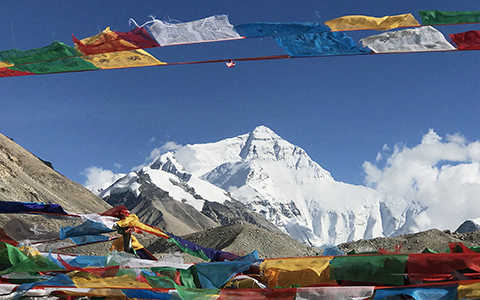
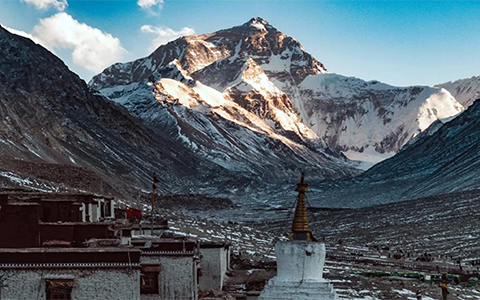
What’s more, another all-time favorite spot to capture amazing Mount Everest is the Rongbuk Monastery (5,154m), the world’s highest monastery near the Tibet EBC. You can frame the monastery’s white stupa and colorful Tibetan prayer flags in the foreground to add depth and character to your epic Everest shots.
Finally, as you leave the Tibet EBC for Shigatse, don’t miss the Dinggye Xilin Viewpoint. The rolling sand dunes, crystal alpine lakes, and wide valleys make it a perfect spot to capture the eastern face of Mount Everest from a different angle.
Our local Tibetan guide will be right beside you during the journey, guiding you to the best spots nd helping you capture memories you’ll treasure forever.
-
10. Can I Photograph the Starry Sky over Mount Everest? When Is the Best Time?
Yes, you can photograph the starry sky over Mount Everest, and it is one of the most magical sights in all of Tibet.
Since there is almost no city light around the Everest Base Camp, the night sky here is crystal clear. When the weather is good, you can even see the Milky Way stretching across the sky like a river of silver dust.
The best time for Everest night-sky photography is from April to early June and September to October. These months offer clearer skies and more stable weather, so the stars shine bright and Everest stands proudly in the moonlight.
For the best timing, the magic hours are usually between midnight and 3 AM, when the sky is darkest and calmest. Wrap yourself in warm layers before going out, because the night at Everest is chilly, even in spring and autumn. Turn on the flashlight on your iPhone, and bring a tripod if you have one, and keep your camera battery close to your body so it doesn’t freeze and die too fast.
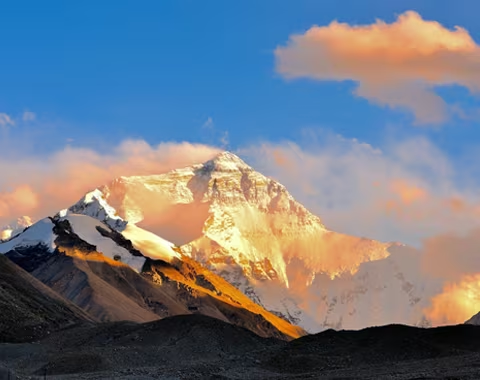
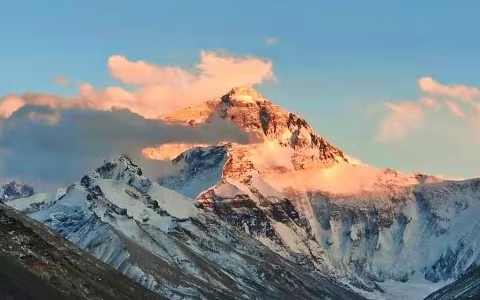
On the other hand, if you want to witness the magical golden glow of Mount Everest at sunrise or sunset, the best times are around 7:50 to 8:20 in the morning and 19:30 to 20:30 in the evening. During these times, the summit of the mighty Everest shines in a stunning golden hue. It is a natural wonder, so surreal that words simply fall short.
BTW, if your tour group arrives late for the sunset at Everest Base Camp, you may have an early rise tomorrow for the epic sunrise at Everest Base Camp, or hit the road back to Gawu La Pass for the amazing view of Mt. Everest with other giants along the mighty Himalayas.
-
1. What Is the Altitude of the Tibet EBC? How Do You Arrange Acclimatization?
The Tibet Everest Base Camp sits at an altitude of around 5,010m. It is the highest and closest place where normal travelers can reach to closely admire the imposing north face of Mount Everest.
To help our guests have a gradual altitude gain from Lhasa to the Tibet EBC, you can spend three days in Lhasa (3,650m) to adapt yourself to the high altitude in Tibet while exploring Tibet’s most landmark attractions.
From Lhasa, you will travel by road to Shigatse (3,850m) and stay one night there for acclimatization. After you get fully acclimatized, you will enjoy our comfortable tour vehicle to the Tibet EBC on Day 5.
Meanwhile, throughout the journey, your comfort and safety come first. The hotels for the EBC tour from Lhasa all provide oxygen supplies, and our tour vehicle is equipped with medical oxygen cylinders for use when needed.
Besides, our local Tibetan guide also brings a blood-oxygen monitor and portable oxygen canisters for extra peace of mind. With this gentle pace and thoughtful support, most of our guests can adapt very well and enjoy the Mt. Everest tour with confidence and ease.
-
2. What Are the Main Attractions along the Way? Besides Everest, What else Can I See?
Beyond Mount Everest, the overland journey from Lhasa to the Tibet EBC itself is filled with Himalayan thrills and local encounters. It will make your Tibet adventure truly unforgettable.
About a 2-hour drive from Lhasa, you will marvel at the turquoise Yamdrok Lake, one of the top three holy lakes in Tibet, where you can take photos with lovely Tibetan yaks and mastiffs. Around noon, you will visit a local Tibetan family and enjoy delicious homemade Tibetan cuisine by the serene Yamdrok Lake.
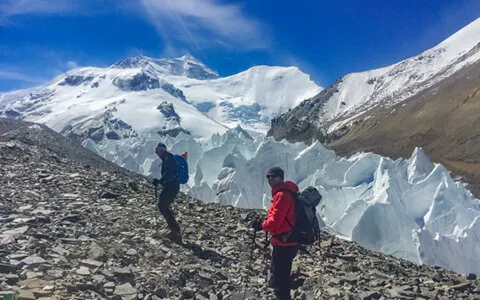
On the way to Shigatse, you will make stops to capture the vast Karola Glaciers cascading from the mountaintop and hang colorful Tibetan prayer flags to spread blessings and get a glimpse of the enchanting Gyantse County and its awe-inspiring Gyantse fortress.
In Shigatse, you will visit the prestigious Tashilhunpo Monastery and explore the world’s largest Future Buddha statue. From Shigatse, as you journey to Tibet Everest Base Camp, at the famous Gawula Pass, you can gaze at the top 5 Himalayan peaks along the rolling Himalayan Range, with Mt. Everest in the front row, and more for your discovery.
-
3. Can I Climb Mt. Everest? How Close Can I Get?
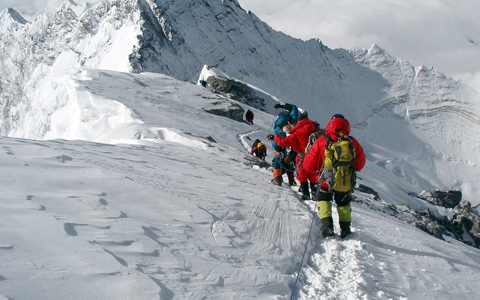
No. Only professional mountaineers who have full training and have held the special climbing permit issued by the China Tibet Mountaineering Association for high-altitude Everest expeditions can climb Mt. Everest on China’s side.
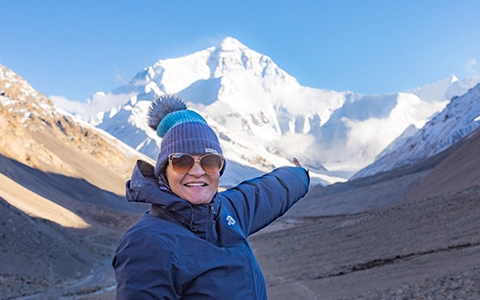
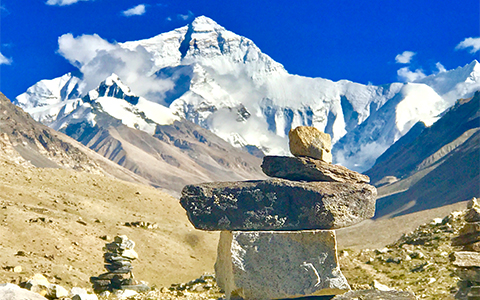
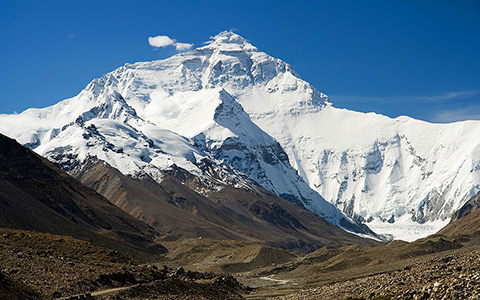
But, no worries! For most travelers, you can join our classic 8-day Lhasa to Tibet Everest Base Camp small group tour to explore the Tibet EBC (5,010m), which is 19km away from Mt. Everest. When you stand there and gaze at her snow-capped summit, it feels like you are standing right at the foot of the world’s highest peak.
You can take photos with the Mount Everest marker with the unobstructed north face of Mt. Everest in the background. You may also visit the world’s highest post office and send a postcard to your friends from the Roof of the World, and explore the world’s highest monastery (Rongbuk Monastery 5,154m) and capture the incredible Milky Way stretching across the Mt. Everest at night. It is truly an experience of a lifetime.
-
4. Will My EBC Tour Be Affected by Weather or Local Policy? What if it’s Canceled?
Very rarely. Most of the time, your Everest Base Camp tour will go smoothly, especially during the main travel seasons from April to October. The weather is usually clear, and the road conditions are perfect, so you can enjoy your journey without worry.
However, very occasionally, heavy snow or sudden road maintenance may cause temporary closures on the way to EBC in deep winter. As a result, local policies can sometimes change for travel safety.
If anything like this happens, your safety and travel experience always come first for us. Our local Tibetan guide will keep you updated and flexibly adjust your itinerary to wait until the road becomes accessible to EBC or offer alternative visits to help you make the most of your Tibet tour.
If your EBC tour has to be canceled due to official regulations or extreme weather, we will help arrange suitable tour changes or a partial refund according to the terms and conditions for booking a Tibet tour with Tibet Vista.
-
5. Do I Have to Visit EBC from Lhasa? Can I Enter from Nepal?
No, apart from visiting the Tibet Everest Base Camp from Lhasa, you may also travel overland from Kathmandu to the Tibet EBC and further onward to Shigatse and Lhasa. Our classic classic 8-day Kathmandu to Lhasa overland tour via EBC also works better for you if you are coming from European countries, India, or Nepal.
As a local Tibet travel agency with our headquarters in Lhasa and an office in Kathmandu, we can help secure all the travel permits and arrange a smooth border transfer from Kathmandu to Tibet through the Gyirong Port, the Sino-Nepal border, comfortable local hotels, transportation, and guided service for the Mount Everest tour from Nepal.
-
1. How to Help Our Guests Prevent or Deal with Altitude Sickness?
First, our Mount Everest tours are expertly crafted and allow our guests to have a gradual altitude gain (4 acclimatization days) in Lhasa (3,650m) and Shigatse (3,850m) respectively, before heading to the Tibet EBC (5,010m). These well-paced itineraries give your body time to adjust naturally for a safer and more comfortable journey.
During the whole trip, our local Tibetan guide will always be by your side. They will check on everyone regularly to make sure you are feeling well. If you feel uncomfortable, we will offer oxygen and the right support immediately. All our tour buses are equipped with medical oxygen cylinders, and the hotels you will be staying in at Tibet EBC also have oxygen supplies, so you can rest with peace of mind.
Most of our guests adapt very well with a calm heart and proper guidance. Just relax, enjoy the beautiful Himalayan views, and trust us. You are in caring, experienced hands.
-
2. Are there Oxygen Supplies along the Route? Do the Driver and Guide Have Emergency Experience?
Yes, absolutely. As an award-winning Everest tour operator since 2018, we have decades of high-altitude expertise. As you travel with us to the Tibet Everest Base Camp, you can feel safe and relaxed the whole way.
All our tour vehicles have medical oxygen cylinders, so if anyone feels uncomfortable due to the altitude, you can use them right away. Your accommodation from Lhasa to Shigatse, and the Tibet EBC, is well-chosen, with modern oxygen supplies. So, you can rest well and feel peace of mind even at night.
Our local Tibetan guides and local Tibetan drivers are very experienced in handling high-altitude conditions every day. Every year, there are multiple training and communication sessions with the leading Tibetan guides and doctors. So, they are trained to recognize early signs of altitude discomfort and know exactly what to do to help you ease the altitude sickness. Our guide will stay close, check on you frequently, and make sure you are adapting well throughout the journey.
-
3. What if I Feel Unwell? Are there Hospitals or Clinics along the Way?
Please don’t worry! If you ever feel unwell during the journey, you will not be alone, and help is always available.
Lhasa and Shigatse are two of the biggest cities in Tibet and have the best public hospitals and medical staff across Tibet. You can receive immediate and advanced medical care when needed, while our local Tibetan guides and service manager, Mr. Gonggar, will take great care of you like a family member.
As you pass the small counties or towns, the small clinics and experienced doctors are also available to deal with acute mountain sickness.
Even at the Tibet EBC, a special emergency oxygen room (hyperbaric chamber) is in place to ensure every traveler’s safety. Besides, our local Tibetan guides can arrange a safe transfer to lower places if needed.
-
4. Is the Tibet EBC Area Safe? What about Security or Natural Risks There?
Yes, the Tibet EBC area is very safe for travelers. Along the way, you will meet friendly natural reserve staff and local Tibetans who welcome visitors from around the world. There are also local officers at the Tibet EBC to help make sure everyone travels smoothly and safely at the heart of the Himalayas.
Besides, there are no natural risks for travelers visiting the Tibet EBC. With a steady travel pace, proper rest, and our experienced local Tibetan guides by your side, you can breathe in the fresh Himalayan air and keep your eyes on the amazing Mount Everest, totally worry-free.
-
1. Do We Sleep in Tents? Is It Cold in Winter? Do I Need to Bring a Sleeping Bag?
No, you can either choose to sleep in a fully-upgraded EBC tent hotel or the Rongbuk hotel in the Tibet EBC.
In winter, daytime temperatures at Tibet EBC on sunny days usually stay around 0 to 7°C, while at night they can drop to minus 23°C. However, no worries! The hotel rooms here are specially built for high-altitude conditions. They keep the cold outside and the room warm and cozy inside. So, you can rest comfortably and enjoy a peaceful night even at the Tibet EBC in winter.
Anyway, there is no need to bring a sleeping bag. The hotel rooms at the Tibet EBC are clean, warm, and comfortable enough for a good rest.
-
2. What Are the Showering and Sanitary Conditions Like at the Tibet EBC? Are There Private Bathrooms?
At Tibet EBC, due to the limited water resources at such a high altitude, no showering facilities are available here. As the air here is dry and cool, you won’t sweat much, so staying one night without a shower usually feels fine. You can use wet wipes and warm water from the sink to wash their faces and hands to keep yourself refreshed.
With the upgraded tourist facilities at the Tibet EBC, the sanitary conditions are much improved! The rooms you stay in are clean and tidy, with clean floors, beds, and fresh bed sheets.
Private bathrooms are only available in Rongbuk Hotel. Most travelers living in the newly renovated tent hotels will use one of the three clean public restrooms at Tibet EBC. Nowadays, they are equipped with eco-friendly vacuum toilets and sinks for your use, and the unpleasant smell is finally gone forever.
-
1. Will Rain or Snow Block the View of Mount Everest?
Yes, sometimes unexpected rain and clouds (esp. during June to August), or snow may come and go, and Mount Everest may decide to hide for a while.
However, no worries! This is part of the charm of the Himalayas.. The weather in the Everest region changes quickly. One minute, the sky looks mysterious and misty, and the next, the clouds lift and Everest shines in her full glory.
Even if it rains or snows when you travel to the Tibet Everest Base Camp, you still have a very good chance to catch a clear view later. Our seasoned local Tibetan guides know Mount Everest’s moods very well. They will pay close attention to weather changes and help you plan the best time to walk out, find the right viewpoint, and see Everest at her most beautiful.
-
2. If I Can’t See Everest Due to Bad Weather, Will I Get a Refund?
No, since the weather of Mount Everest is beyond anyone’s control, we are unable to offer you a refund if the Everest is obscured by mist or clouds during your visit.
But please don’t be discouraged. Bad weather at one moment doesn’t mean the whole trip is cloudy. Many travelers see nothing when they first arrive, then suddenly, the clouds open and Everest appears like a dream. Morning sun, clear night skies, or even a sudden window between clouds can give you an unforgettable Everest view.
-
3. Is There a Big Temperature Shift between Day and Night at Tibet EBC? What Clothes Should I Wear?
Yes, it is. For example, in spring (April to May) or autumn (Sept to Oct), daytime temperatures at EBC might be around 10°C to 15°C (50°F to 59°F) when the sun is out. You feel quite pleasant, even warm, if you stand in the sun. But once evening comes, the temperature can drop sharply to around -5°C to -10°C (14°F to 23°F), sometimes even colder.
So, when choosing the right clothing for the EBC tour, the key is to keep warm and be flexible. You can dress in layers to help you adjust easily. For the base layer, you may wear light and lightweight thermal tops; for the middle layer, consider a fleece or light sweater and thermal leggings for cozy warmth, while a windproof down jacket and a beanie are needed to keep your body and head warm for the outer layer.
BTW, don’t forget to bring sunscreen, sunglasses, and other accessories to protect you from the intense sunlight in the Everest region.
-
4. Can I See Sunrise, Sunset, or Starry Skies over Everest? Where’s the Best Viewpoint?
Yes, our Mt. Everest tours are designed to help our guests make the most of your visit to the Tibet EBC.
So long as the weather is clear and calm, when you arrive, you will have a wonderful chance to watch the golden sunset glowing on Everest, then spend a peaceful night at the Tibet EBC beneath the bright stars and the Milky Way stretching across the sky. The next morning, you can wake up early to greet the sunrise as it slowly lights up the summit of imposing Mount Everest.
Some of the best places to capture Mt. Everest include Gawu La Pass, where you can see five of the highest peaks in the Himalayas lined up like giants on the horizon. You can also visit Rongbuk Monastery, where its white stupa and fluttering prayer flags make a beautiful foreground with Everest rising behind them. And at the Everest Marker at Tibet EBC, you will find a perfect spot to take that “wow” photo to share with friends.
-
1. What’s Included in the Everest Tour Price? What’s not included? Any Hidden Costs?
For our budget-friendly Mount Everest small group tours, our tour prices include the Tibet Travel Permit and other travel documents required to visit Mt. Everest, transportation, guide service, all meals listed in the itinerary, 3-star hotels with upgrade options, free airport/ railway pickup and drop-off, travel insurance, oxygen supplies, and beyond.
Our tours don’t include the Chinese Visa fee, international flight to and out of China, domestic flights/train to and from Lhasa, single room supplement, tips for the guide and driver, or other personal expenses.
Besides, both of our tour itineraries and prices are transparent and fair. There is no hidden cost, forced shopping, or detours.
-
2. Why Are Prices so Different among Other Agencies? What Makes Your Everest Tours Stand out?
The price differences usually come from things like brand, group size, accommodation level, the quality of vehicles and oxygen supplies, guide experience, and how well the Everest tour is organized. Some agencies might offer very low prices, but that can mean crowded groups, rushed schedules, less safety support, inexperienced guides, or hidden costs.
As the largest local Tibet travel agency with headquarters in Lhasa and an office in Kathmandu, we’ve been helping global travelers explore Tibet, Nepal, and Bhutan safely and smoothly since 1984. When you book with our Tibet Everest Base Camp tours, you are securing 40 Years of local expertise for traveling on the Roof of the World.
Besides, we, Tibet Vista, have pioneered the join-in small group tours in the industry, with fixed tour departures each month and a max of 12 travelers per group. For solo travelers, you can join our small group tour to visit the Tibet ebc at an affordable price. Alternatively, you may also tailor a Mount Everest tour to your needs.
What’s more, traveling to Everest is not only about price. It is about trust, safety, and unforgettable moments. As the successive award-winning Everest tour operator since 2018, we have decades of high-altitude expertise. As you travel to Tibet EBC in Shigatse or other regions with high altitude, our oxygen supplies, attentive local experts, friendly local drivers, prompt backup plans, and other one-stop services keep your journey safe and comfortable, 100% worry-free.
-
3. What Is the Difference between Booking a Small Group and Private Tours?
Since overseas travelers can only visit Tibet through an organized Tibet tour, you may either consider booking a budget-friendly small group tour or a fully customizable private tour to travel at your own pace.
If you are traveling solo on a budget or enjoy meeting like-minded global travelers, joining our Tibet small group tour is a perfect choice for your Mount Everest journey. Each group has up to 12 travelers with fixed departure dates. You will follow the classic route from Lhasa to the Tibet EBC while sharing costs for transportation, guide service, accommodation, and meals, making your trip smoother, more fun, and affordable.
On the other hand, if you are traveling with your family, with elderly parents and small kids, a private EBC tour suits you better. It is also an ideal choice if you prefer a tailored adventure to explore secluded Tibetan monasteries, or bike or trek to Mount Everest. With a private tour, you can decide how long to stay at each place, what to eat, and adjust the itinerary and activities to match your own pace and interests.
-
4. How Do I Pay? How Far in Advance Should I Book? Can I Cancel or Change?
We offer six convenient payment methods, including bank wire transfer, Visa and MasterCard, PayPal, Alipay, WeChat Pay, as well as credit card payment through a local POS machine or cash payment in Tibet.
We recommend booking your Lhasa to Everest Base Camp tour at least three months in advance if you plan to travel during the high season from May to October. Since accommodation at Tibet EBC is limited, securing your spot early helps ensure a smooth and stress-free journey, plus unexpected early bird discounts.
Besides, we have detailed policies and items regarding tour cancellations or changes before your actual Mount Everest tour begins. Please browse through our terms and conditions page for details.
-
5. Is the EBC Entrance Ticket Included? Do I Need Extra Permits?
Yes, definitely. The entrance fee for the Qomolangma (Everest in Tibetan) National Nature Preserve is included in our tour package. Apart from the Tibet Travel Permit, we will also help you get a Border Area Travel Permit for free to visit the Tibet EBC.
-
1. What Documents Do I Need to Visit the Tibet EBC? Do I Need a Tibet Travel Permit?
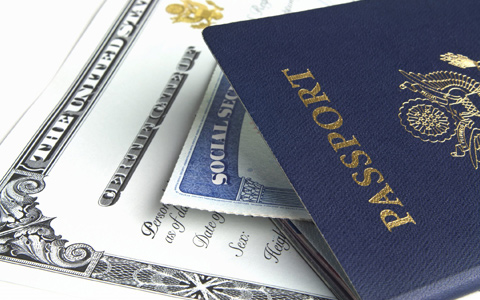
For overseas travelers planning to visit the Tibet EBC, you are required to have a Chinese Visa to fly to China, a Tibet Travel Permit to legally board the flight or Tibet train to Lhasa, and a Border Area Travel Permit to reach the Tibet EBC.
All you need to do is apply for the Chinese Visa at the Chinese Consulate General or Embassy in your country, and we will take care of the rest travel documents for you.
-
2. Are the Requirements Different for Foreign, Hong Kong, Macau, and Taiwan Travelers?
Yes. For foreign nationals, you need both a China visa and a Tibet Travel Permit to enter the Tibet Autonomous Region.
For the residents of Hong Kong and Macau, you don’t need to apply for the Tibet Travel Permit. All you need is your HK/Macau SAR Passport and Home Return Permit for a Tibet visit.
Besides, for the Chinese living in Taiwan or Taiwan residents, you need to get a Tibet Travel Permit and a Mainland Travel Permit for Taiwan Residents (MTP) to visit Tibet.
-
3. Who Should Apply for the Chinese visa, Tibet Travel Permit, and Alien Travel Permit? How Long Does it Take?
For overseas travelers, you need to apply for a Chinese Tourist Visa “L Visa” to board the flight to Chinese arrival cities such as Beijing, Shanghai, Guangzhou, Chengdu, Chongqing, Guangzhou, Kunming, Xi'an, and more. The processing of a Chinese tourist visa usually takes about 4 working days.
Our team will handle all the rest travel documents for you, including the Tibet Travel Permit and Border Area Travel Permit. Normally, it takes around 15 working days to process these two documents.
-
4. Can I Join a Mount Everest Tour after Arriving in Lhasa on My Own?
Yes, only if you have already signed up for your Mount Everest small group tours and get our Tibet Travel Permit at your Tibet entry cities, like Beijing, Shanghai, Guangzhou, Chengdu, Xi’an, Chongqing, and beyond, you can fly or take the Tibet train to Lhasa and join the tour later in Lhasa.
-
1. What’s Local Tibetan Life Like? Can I Experience Tibetan Culture up close?
Our Tibetans are deeply religious Buddhists, and our Tibetan daily life revolves around practicing Tibetan Buddhism and following Buddhist practices.
In the morning, many Tibetans start the day by chanting morning prayers and adding butter oil to the butter lamps at the household altar as offerings to the Buddha. Then, they will proceed to walk the kora (circumbulate holy sites as a pilgrimage) while chanting mantras and spinning Tibetan prayer wheels around monasteries or sacred mountains and lakes. By doing so, we can gain merit for the next life, spread blessings to all beings, purify their soul, and more.
After completing the morning kora, elder Tibetans often head to local teahouses to enjoy a hearty breakfast, such as Tibetan sweet tea, Tibetan noodles, momos (dumplings), Balep (bread), yak meat, and beyond. These teahouses are their favorite spots to catch up with friends and rest for a while after their devoted pilgrimage.
Aside from the monasteries and local markets, Tibetans often love gathering in parks or on the wide grasslands to enjoy the traditional Guozhuang dance (circle dance) or join friends and families for picnics (Lingka in Tibetan) to savor the simple joys of the day.
Yes, for our guests, you can dive deep into local Tibetan life by joining our local Tibetan guide to roam over Tibetan streets, dine in local teahouses, or walk the kora around holy Buddhist sites and beyond.
-
2. Are the Guides Tibetan? Do They Speak English, Chinese, or Other Languages?
Yes, all of our 62 wonderful guides are native Tibetans with 10 to over 20 years of guiding experience across Tibet. In addition to their mother tongue, Tibetan, they speak fluent English and Mandarin. Some of our guides can also communicate with global travelers in languages like German, Spanish, Japanese, French, and Russian.
Our local Tibetan guide’s rich knowledge of the region, combined with their genuine warmth and professionalism, will make your Tibet travel experience truly memorable.
-
3. Will We Visit Tibetan Monasteries? Which Are the Most Important Buddhist Sites?
Yes, the journey to the Tibet Everest Base Camp itself seamlessly combines amazing Himalayan mountain views with many chances to experience Tibetan culture and Buddhism up close. You will visit some of our most famous Tibetan monasteries and sacred places at the cultural heartland of Tibet.
In Lhasa, you will explore Potala Palace and Jokhang Temple, two of the most important spiritual centers in Tibet. Potala Palace stands proudly on the hill, like a snowy fortress filled with golden chapels and ancient treasures. Jokhang Temple is the soul of Tibetan Buddhism, where pilgrims circle with prayer wheels, their footsteps soft and steady on the sacred stones.
You will also visit Sera Monastery, famous for its lively Tibetan monk debates, and explore massive Drepung Monastery, the largest Gelugpa monastery in Lhasa.
As you leave Lhasa for Shigatse, you can explore the Tashilhunpo Monastery, the traditional seat of the Panchen Lama in Shigatse City. It is the most prestigious Gelugpa monastery in Shigatse and home to the world’s largest Maitreya Buddha.
At the Tibet EBC, you can visit the Rongbuk Monastery (51,54m), the highest monastery in the world, where monks and nuns live together in a harsh environment beneath the mighty Mount Everest.
-
4. Can I See Tibetan Yaks, Prayer Flags, Glaciers, and Starry Skies?
Yes, absolutely! Along the scenic highway and peaceful valleys, you will often see Tibetan yaks grazing on the hills or walking near Tibetan villages. Actually, at the viewing platform of Yamdrok Lake, you can even cuddle the lovely Tibetan lambs or take photos with adorable Tibetan yaks by riding on it.
Almost every high pass you pass, you will see colorful Tibetan prayer flags fluttering in the wind. On the way to Gyantse County, you will have opportunities to hang auspicious Tibetan prayer flags at Simila Mountain Pass to spread your wishes and blessings to your families and friends afar.
While at the famous Karola Glaciers, we will make stops to appreciate its vast glaciers cascading from the mountaintop and take photos there.
As you spend the unforgettable night at the Tibet EBC, if the sky is clear, you will see starry nights with the Milky Way stretching across Mt. Everest. It will definitely leave you in awe.
-
1. Is there Internet along the Way to the Tibet EBC? Does My Phone Work?
Yes, you can stay connected along the way to the Tibet Everest Base Camp. Your phone will have internet coverage and signal throughout the journey, even at high-altitude spots like the Tibet EBC (5,010m). This is largely because China Mobile has set up communication stations all the way up to the Advanced Base Camp at 6,500 meters!
For normal travelers at Tibet EBC (5,010 meters), you can enjoy a strong 5G signal, so you can share photos, call home, or check messages without worry.
-
2. Can I Fly a Drone at the Tibet EBC?
No, flying a drone at the Tibet Everest Base Camp is not allowed for travelers. The area around EBC is very close to the border between China and Nepal, making it a highly sensitive region for national defense and security. There are also military facilities nearby, so regulations are very strict.
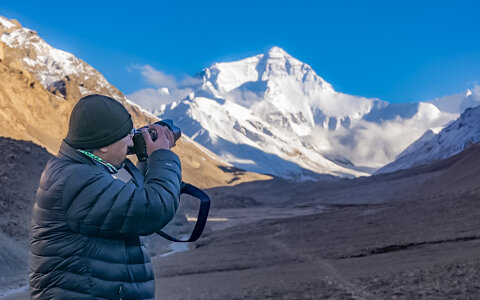
While you won’t be able to capture drone footage, there is still no shortage of amazing views to enjoy and photograph the majestic, unobstructed north face of Mt. Everest with your camera or phone.
-
3. Are there Charging Facilities at the Tibet EBC? What Plug Type Is Used?
Yes, you can charge your phone and camera at the Tibet Everest Base Camp. The newly renovated tent hotels, restaurants, cafés, and Rongbuk hotel all offer free charging facilities, so staying powered up is easy and convenient.
We use Chinese standard plugs (Type A/C/I) here, so it’s a good idea to bring a universal travel adapter to make things simple. Alternatively, we suggest that you carry a power bank, which allows you to recharge anytime, anywhere.
-
4. How Are the Sanitary Conditions at the Tibet EBC? Can I Brush My Teeth and Wash My Face?
The sanitary conditions at the Tibet Everest Base Camp have improved a lot in recent years. The hotel rooms at Tibet EBC are clean and cozy, with new flooring, fresh bedding, and updated facilities like a sofa in the public area.
You will find hot water dispensers and sinks for simple washing. So, yes, you can brush your teeth, wash your face, and freshen up comfortably after a day of high-altitude exploring. Many travelers even enjoy a warm instant coffee while watching the sun touch the summit of Everest.
-
5. Are There Toilets at Tibet EBC? What Are They Like?
Yes, the toilet facilities at Tibet EBC have also been greatly upgraded. There are now three clean public restrooms equipped with eco-friendly vacuum toilets and sinks for your use, and the unpleasant smell is finally gone forever. In Rongbuk Hotels, you can enjoy western toilets, while in twin rooms, you can even have a private bathroom.
-
1. Can I Capture the Panorama of Mt. Everest? Where is the Clearest Spot?
Yes, you can absolutely capture a stunning panorama of Mount Everest during your Mount Everest tour.
One of the top places is Gawula Pass. From here, Everest and the other 4 highest Himalayan peaks stretch across the skyline like a crown of snow and clouds. On a clear day, the view feels so close you almost want to reach out and touch the mountains.
Another great spot is Dinggye Xilin Viewpoint. This area gives you a wide, sweeping look at the Himalayas, with Everest rising proudly among them. It’s peaceful, grand, and perfect for those wide-angle shots.
What’s more, the Tibet Everest Base Camp also offers a clear and powerful view. Standing there, with Everest right in front of you, the world feels huge and calm at the same time.
Please rest assured that our local Tibetan guide and local driver will take you to the best spots at the best time for the epic shots of Mount Everest.
-
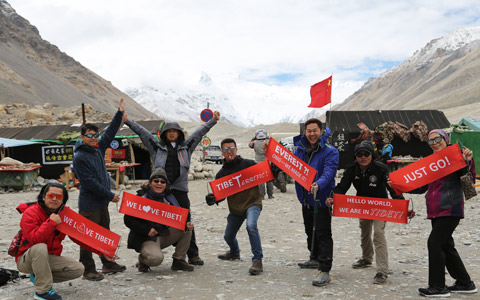
2. Can I Raise a Flag or Take a Photo with a National Flag at the Tibet EBC? Are there Any Rules?
Yes, you may hold your small national flag and take a personal photo with Mount Eeverset at the Tibet Everest Base Camp.
However, please remember that you cannot plant, hang, or attach a national flag to any object or structure at Tibet EBC. Also, group flag displays or any actions that could be seen as political or promotional activities are not permitted. Tibet EBC is located in a sensitive border region, so policies here are very strict.
As a foreign national visiting Tibet, it is important to respect our local laws, Tibetan culture, and the territorial integrity. Just enjoy the beauty of Mount Everest, hold your flag proudly for your photo, and keep the moment simple and personal. That way, your memories will be joyful and your journey smooth.
Quick Inquiry
More Articles about Tibet Everest Base Camp Tour Planning






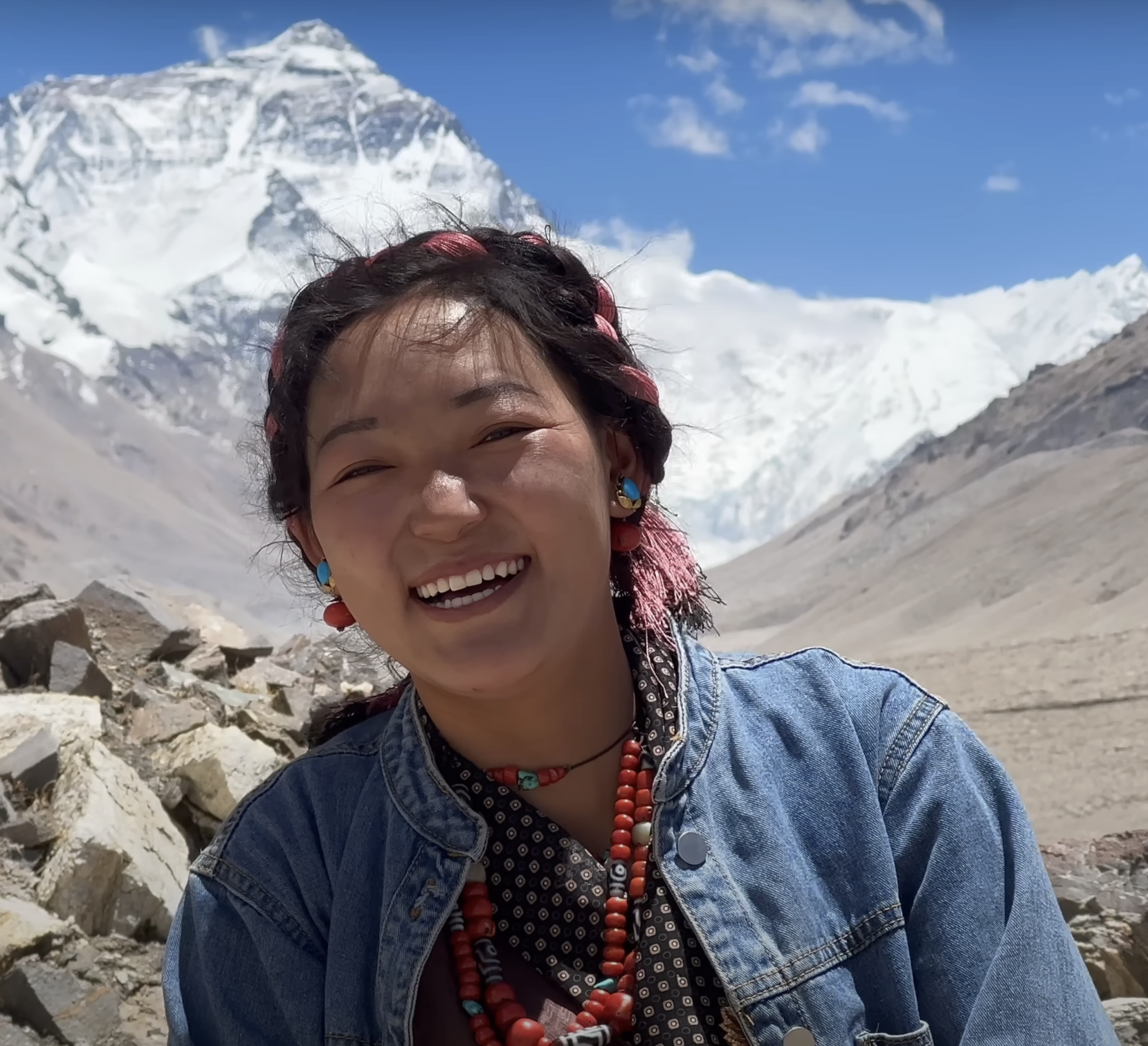
Let’s Plan Your Tibet Everest Base Camp Tour!
If you are planning to enjoy a trip to Everest Base Camp in Tibet, yet have no ideas of how to sort it out the details, no worries! We would like to hear your tour plan and offer free professional consultancy and viable solutions. Please feel free to contact us.
All Tibet Tours Catergories
- Small Group Tours
- Tibet Train Tour
- Everest Base Camp Tour
- Mount Kailash Tour
- Tibet Nepal Tour
- Tibet Nepal Bhutan Tour
- Tibet Winter Tour
-
By Destination
-
By Interest
-
By Entry Cities
-
By Customer Types
Get Started - Tibet Everest Base Camp Tours
You’re getting closer to your dream Tibet vacation! Fill out this form so our travel designers can start helping you plan a trip.
Privacy Policy: Your information is kept strictly confidential. Tibet Vista will never sell, trade, or give away your contact information to a third party.
"Tibet Everest Base Camp Tours"