
 Search
.jpg "Tibetan Local Travel Agency")


Everest Base Camp Weather: a detailed guide to climate and weather of Everest Base Camp in Tibet
Given the high altitude, temperatures change rapidly at Everest Base Camp in Tibet. But one thing remains the same: you can visit EBC year-round. As the closest point to see the world’s highest peak, Everest Base Camp offers unique views in different seasons.
While the most recommended time to visit Mount Everest is in spring and autumn (April to June and September to November), summer - with its warm temperatures and higher oxygen levels - and winter - with the clearest views of the peak - are also excellent times to go.
In this article, we list out the general climate information about EBC, details of the weather in four seasons with unique highlights, provide the best times to visit, and offers packing tips for different travelers. Keep reading to learn more and plan a comfortable trip to Everest Base Camp.
Content
General Information on the Weather and Climate at Everest Base Camp in Tibet
Spring at Everest Base Camp (April-June): Rising Temperatures with Clear Skies
Summer at Everest Base Camp (July-August): Moisture Air with High Oxygen Levels
Autumn at Everest Base Camp (September-October): Dry, Sunny Days, and Excellent Visibility
Winter at Everest Base Camp (November-March): Not too Cold, Lower costs and Highly Recommend
The Best Time to Visit EBC: For Small Group Tour, Trek, Bike and Motorcycle Trips
What to Pack for an Everest Base Camp Tour in Tibet
General Information on the Weather and Climate at Everest Base Camp in Tibet
The EBC in Tibet experiences a harsh mountain plateau climate. The weather is defined by low temperatures, strong winds, less rainfall, and dramatic differences between day and night.
Throughout the year, daytime temperatures average around 12°C. It can reach up to 22–23°C during the warmest month from July to August. But nights remain chilly and frequently drop below freezing. The coldest period is from December to February, with daytime temperatures dropping to around -5°C and nighttime temperatures falling below -15°C.
Because of the thin air at high altitude, heat escapes quickly, leading to sharp temperature difference between day and night- often as large as 18°C to 20°C. The thinner air also means stronger ultraviolet (UV) radiation, so sun protection is a must for all travelers.
Rainfall is relatively low throughout the year, and most rainfall occurs during the rainy season in July and August. With around 28 clear days per month, it means you can join a Everest Base Camp Tour to see the sunrise and sunset over the Everest nearly anytime of the year! -Click here to see more weather information of Tibet in Rainy Season
However, strong winds are common which make the temperature feel significantly lower. So, windproof clothing and proper protection are essential for a comfortable experience.
General Annual Weather Overview of Everest Base Camp in Tibet
| Average Temp | Max Temp | Min Temp | Clear Days | Rainfall |
| 12°C | 23°C | -15°C | 28 | 10mm |
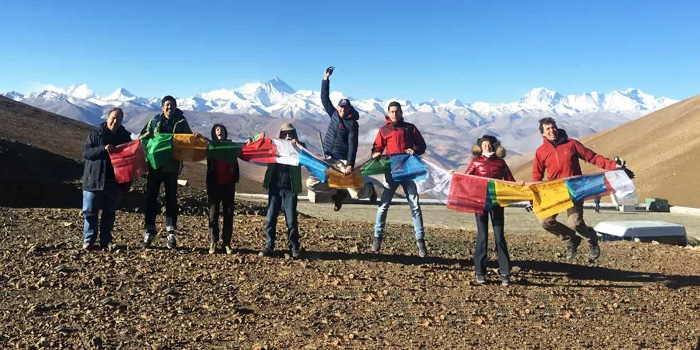
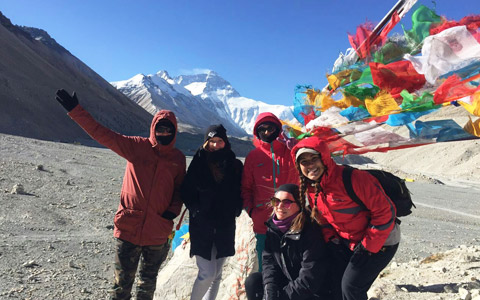
 Group photo of our beloved guest in front of Mt.Everest.
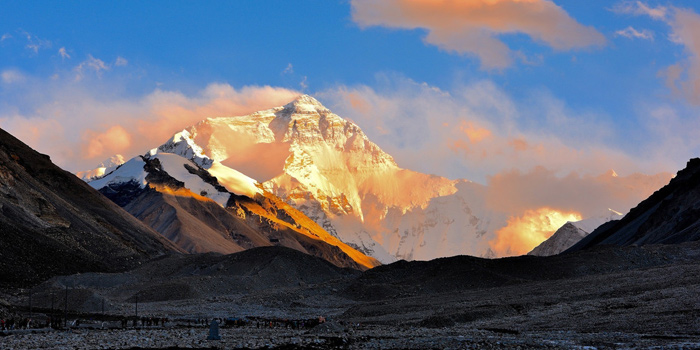

Join our classic 8-day Lhasa to Everest Base Camp tour to admire the Mt.Everest from different angles.
Spring at Everest Base Camp (April-June): Rising Temperatures with Clear Skies
Spring (April to June) is one of the best times to visit Tibet, as well as Everest Base Camp. Temperatures gradually rise, and the days are sunny. The daytime temperatures ranges from 10°C to 15°C. Nights remain cold, dropping to between -9°C and -1°C.
There is basically no rain until June. With the rise of temperature, the growing humidity freshens the air, and the moisture makes your Tibet tour more comfortable. However, due to the high altitude, the you can still feel a little bit of cold, especially in the morning and during the night.
Unique Highlights: With clear skies, Mt. Everest during sunrise and sunset are in a golden glow - an unforgettable sight and one of the highlights in spring. There’s also a good chance to witness the famous flag-shaped cloud streaming from its summit.
| Month | Average Temp | Clear Days | Rainfall | Wind Speed |
| April | -2°C | 29 | 15mm | 6km/h |
| May | 7°C | 30 | 7mm | 11km/h |
| June | 12°C | 29 | 24mm | 10km/h |
 Visit Everest Base Camp in Spring!
Summer at Everest Base Camp (July-August): Moisture Air with High Oxygen Levels
Summer is the wettest season at Everest Base Camp. Just August alone receiving up to 108mm. However, the rainfall doesn’t affect your day tour. Most rain falls in the evenings or at night, leaving daytime hours mostly dry and suitable for sightseeing.
Daytime temperatures usually range from 17°C to 23°C. However, even in summer, nighttime temperatures remain cool, typically between 8°C and 10°C. Compared to other seasons, summer is more humid, with fresh vegetation and wild animals around the base camp.
The oxygen content in the air also reaches its peak during this time. Traveling in summer month alleviates altitude sickness in Tibet and offering you a more comfortable experience.
Unique highlights: In summer, rainfall and warmer temperatures turn the grasslands and woods around EBC into a green land. With the highest oxygen and moisture levels of the year, you might see local shepherds guiding their herds across the lush landscape.
| Month | Average Temp | Clear Days | Rainfall | Wind Speed |
| July | 13°C | 26 | 89mm | 10km/h |
| August | 14°C | 28 | 108mm | 9km/h |
 Clear view of Mt.Everest from Gawula pass during summer.
Autumn at Everest Base Camp (September-October): Dry, Sunny Days, and Excellent Visibility
Autumn is another great season for visiting EBC. September and October offers tourists clearer skies and fewer rain, and unobstructed views of Mt. Everest. Daytime temperatures reaches around 19°C, while nighttime temperatures drop to around 0°C.
During autumn, rainfall significantly decreases, and the air becomes crisp and dry compared to July and August. Winds are mild, much better than winter’s cold. This season is ideal for admiring Everest’s grandeur and experiencing the awe of the Himalayas.
Unique Highlights: In autumn, you can see the summit glow gold at sunrise and sunset. At night, the sky is clear and full of stars. The best time for stargazing is around 2 a.m. Please don’t forget to bring your telescope!
| Month | Average Temp | Clear Days | Rainfall | Wind Speed |
| September | 10°C | 29 | 22mm | 9km/h |
| October | 5°C | 30 | 2.5mm | 22km/h |
| November | 2°C | 28 | 0.61mm | 17km/h |
 Autumn’s clear days make it is one of the best season to visit Everest Base Camp.
Winter at Everest Base Camp (November-March): Not too Cold, Lower costs and Highly Recommend
Tibet’s winter is not that cold as you may think. Plus, it also brings the clearest skies due to minimal rainfall. Despite the chill compare to other period, daytime temperatures can range from 4°C to 17°C, and the weather is sunny with excellent visibility.
November remains relatively mild, with average daytime temperatures around 8°C-comfortable enough for daytime exploration. It’s also the low tourism season, meaning fewer visitors and lower travel costs, one of the best months to begin a journey from Lhasa to Mt. Everest.
December is slightly colder but still good for travel. Daytime temperatures are generally around 6°C, and there are typically up to 30 clear days with little to no rainfall.
January and February are the coldest months. The daytime temperatures are around -3°C. However, this period has a lot of festivals, especially the Tibetan New Year which often falls on February. Traveling to Everest during this time allows you to enjoy both spectacular winter landscapes and local celebrations along the way.
Unique Highlights: Winter’s minimal rainfall and crisp air offer the best visibility for Himalayan peaks. You might even witness snowfall at Everest Base Camp and high mountain passes. With Tibetan New Year celebration, it’s a also wonderful opportunity to experience the tradition of Tibetan festivals.
| Month | Average Temp | Clear Days | Rainfall | Wind Speed |
| December | -6°C | 29 | 2mm | 8.9km/h |
| January | -10°C | 29 | 5mm | 7.4km/h |
| February | -5°C | 29 | 5mm | 9km/h |
| March | -2.5°C | 30 | 1mm | 13km/h |
 You can witness snowfall during your winter tour to Everest Base Camp.
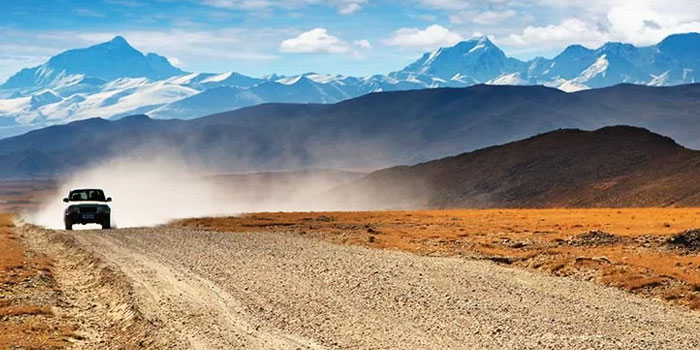
This 7-day Lhasa to Kathmandu tour allows you to admire the Himalayas from both sides.
The Best Time to Visit EBC: For Small Group Tour, Trek, Bike and Motorcycle Trips
You can enjoy a small group tour to EBC any time of year! But the best times to visit are from April to June and from September to November. During these month, daytime temperatures at EBC generally rise above 10°C. With little rainfall, you could see the stunning views of Mount Everest and the Himalayan peaks with clearer skies and mild temperature.
For those who a want a Tibet trekking tour near EBC, spring, summer and autumn are recommended (from April to October). Winter might not be a good time for trekking in Tibet since the cold and challenging high-altitude conditions with strong winds at Everest region.
For those who want to enjoy a Tibet biking tour or Tibet motorcycle tour to EBC, summer is less favorable. Although warmer, July and August often bring rainfall that may create muddy roads. To fully enjoy the riding experience, it is good to ride bike and motorcycle during spring and autumn.
However, winter is ideal for budget-conscious travelers. From December to February, tourism slows, hotels offer generous discounts and transportation cost is the lowest time of year, including the flight to Lhasa. With crystal-clear skies, winter brings the best Everest views.
Also, festivals like the Tibetan New Year adds extra charm to your Tibet winter tour. Additionally, winter sees most of local pilgrims heading to Lhasa to do the pilgrimages when the harvest is over. Winter not only offers the best of Everest but also a authentic Tibetan culture.
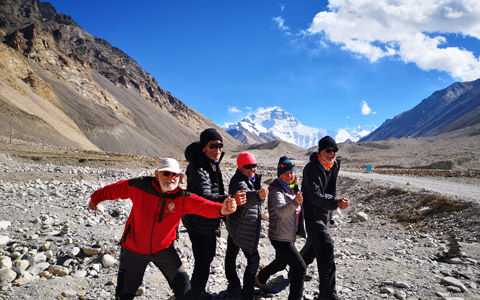
 Our beloved guest enjoys a biking tour from Lhasa to Everest Base Camp in May!
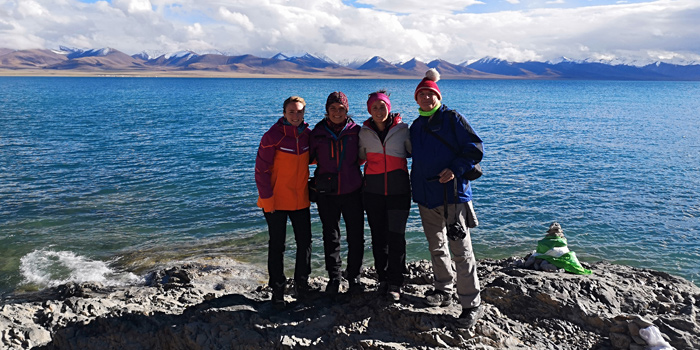
Visit both Mt.Everest and Lake Namtso by joining our classic 10 days Everest and Namtso tour.
What to Pack for an Everest Base Camp Tour in Tibet
Warm Clothing: Because the temperatures at Everest Base Camp is low throughout the year. So pack down jackets, thermal underwear, and fleece layers to keep you warm is essential. It is advisable to dress in layers so you could add or remove the cloth based on the temperature.
For those who looking for trekking, bring windproof, waterproof outerwear, moisture-wicking socks, and waterproof hiking boots are smart choices.
Protective Gear: Given the altitude of EVC, UV rays are intense. High-SPF sunscreen, and sunglasses are must-haves. Also, lip balm and moisturizers help prevent dryness.
Basic Medication: It is a good idea to carry altitude sickness pills, painkillers, and anti-diarrheal medicine with you. Please do consult your doctor beforehand.
Food & Drink: Pack high-energy snacks like chocolate, protein bars and nuts is a good idea to keep you fuel up along the journey. A thermos bottle is also important, you can carry hot water or tea to stay warm. And also, we provide the bottle water along the way to keep you hydrated.
Electronics: To stay connected, you can bring a power bank, phone charger, camera, and extra memory cards for your Everest trip. Mobile signal at EBC is surprisingly good, so you can even stream or video call friends and family to share the stunning views in real time. -Click here to see the ultimate packing guide to Everest Base Camp
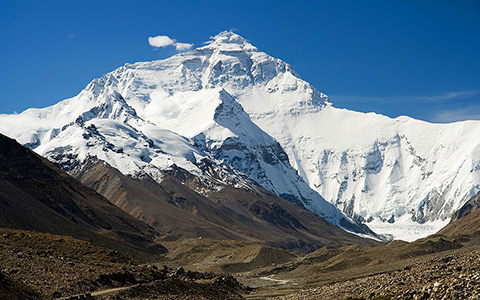
 Clear view of Mt.Everest on the way back from EBC to Shigatse.
Start your Himalaya journey from Kathmandu and westward to Lhasa to get the best views of Tibet.
More Practical Tips for Visiting Everest Base Camp in Tibet
1. Though Mt. Everest may be occasionally obscured by clouds due to the weather conditions, most of our Everest Base Camp tours include four carefully selected viewpoints along the way, which greatly increase your chances of seeing a clear view of the mountain.
2. The clear days and minimal rainfall in autumn and winter make it a great time to enjoy the starry skies at night at EBC. However, nighttime temperatures are quite low, so if you plan to stargaze, be sure to dress warmly.
3. Given the high altitude, sunrise at EBC occurs earlier than in places like Lhasa. So if you’re planning to witness the sunrise over Mt. Everest, be sure to wake up a little earlier than usual.
4. The wind at Everest Base Camp and along the route is strong year-round, especially at high mountain passes like Gawula. It's a good idea to always bring a brimmed hat to protect yourself from the wind.
Conclusion
Everest Base Camp in Tibet offers a stunning and unique experience year-round, but the best times to visit are spring and autumn, when the weather is mild, skies are clear, and views of the world’s highest peak are at their most breathtaking.
Each season has its own charm - from vibrant greens in summer to crisp, starry nights in autumn and crystal-clear visibility in winter. Proper preparation is essential given the high altitude and rapidly changing weather.
With the right gear and timing, your journey to Everest Base Camp will be both comfortable and unforgettable. Contact us now to prepare your Everest Base Camp tour!
Kungga Dundruk, often respectfully referred to as “Manager Kunga”, is the most revered and legendary Tibetan guide in our team.
Currently working as a customer service manager in Lhasa, Kunga used to study business overseas and got his Bachelor of Business in Nepal and India before moving back to his homeland. With pure passion for life and unlimited love for Tibet, Kunga started his guide career as early as 1997.
As a legendary Tibetan guide with 22 years of guide experience, Kunga was awarded the Gold Medalist of China’s Best Tour Guide in 2019, marking the pinnacle of his career. Today, Kunga loves sharing his wealth of Tibetan knowledge through travel articles and stands ready to offer prompt support whenever our guests need help in Lhasa.
 Email me about your travel idea
Related Articles & Posts

Most Popular Tibet Tour Packages
-
Lhasa - Gyantse - Shigatse - Everest Base Camp - Shigatse - Lhasa
USD949
View Details -
Lhasa - Gyantse - Shigatse - E.B.C - Saga - Kailash Trek - Darchen - Lake Manasarovar - Saga - Gyirong - Tingri - Lhasa
USD2069
View Details -
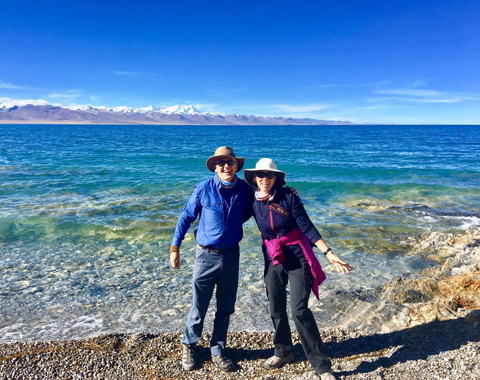
10 Days Lhasa to Everest Base Camp, Namtso Lake and Holy Elephant Gate Small Group Tour
Lhasa - Gyantse - Shigatse - EBC - Shigatse - North Tibet Grassland - Bange - Namtso Lake - Holy Elephant Gate - Lhasa
USD1299
View Details -
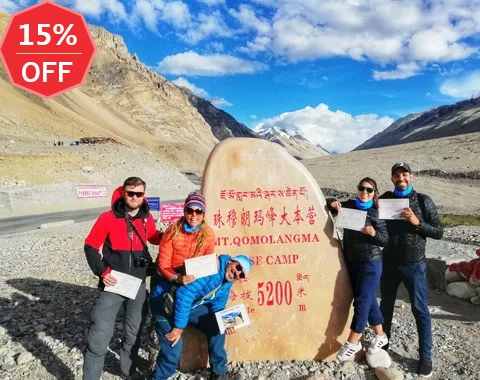
8 Days Driving Across Himalaya Overland Adventure from Kathmandu to Lhasa
Kathmandu - Gyirong - Everest Base Camp - Tingri - Shigatse - Gyantse - Lhasa
USD1019
View Details -
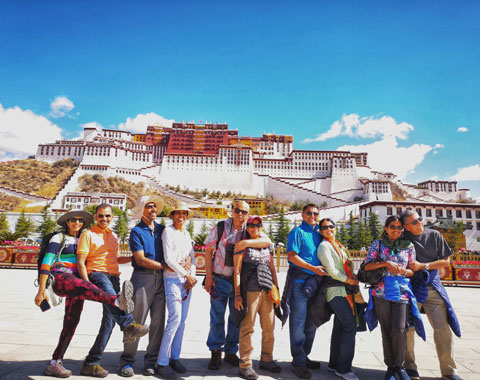
4 Days Lhasa Impression Small Group Tour: Explore the Heart of Tibet and Mingle with the Locals
Lhasa
USD509
View Details -
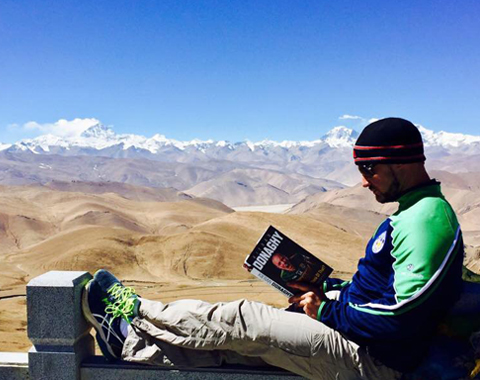
Lhasa - Gyantse - Shigatse - Everest Base Camp - Gyirong - Kathmandu
USD989
View Details -
Lhasa - Gyantse - Shigatse- Lhasa
USD799
View Details -
Lhasa - Gyantse - Shigatse - EBC - Saga - Darchen - Kailash Trek - Darchen - Saga - Gyirong - Kathmandu
USD2069
View Details
0 Comment ON "Everest Base Camp Weather: a detailed guide to climate and weather of Everest Base Camp in Tibet"


General Information on the Weather and Climate at Everest Base Camp in Tibet
Spring at Everest Base Camp (April-June): Rising Temperatures with Clear Skies
Summer at Everest Base Camp (July-August): Moisture Air with High Oxygen Levels
Autumn at Everest Base Camp (September-October): Dry, Sunny Days, and Excellent Visibility
Winter at Everest Base Camp (November-March): Not too Cold, Lower costs and Highly Recommend
The Best Time to Visit EBC: For Small Group Tour, Trek, Bike and Motorcycle Trips
What to Pack for an Everest Base Camp Tour in Tibet