
 Search
.jpg "Tibetan Local Travel Agency")


Mount Everest Photography in Tibet: Expert Tips from Our Photographer Keldor
Capturing Mount Everest, the world’s highest peak, has long been at the very top of many travelers’ bucket lists. As a local Tibetan guide and landscape photographer, I travel to the Tibet Everest Base Camp more than 24 times a year with our guests from around the world.
After so many trips, I know exactly the best spots, angles, and times to photograph Everest, and I’m always happy to share them with our global guests.
So, if you’re planning to photograph Mount Everest on your Tibet tour, in this travel guide, I’m excited to share my personal tips and first-hand experience about Mount Everest photography.
Hopefully, they will help you capture the epic Mount Everest in all its splendor and make your journey to the Tibet EBC truly unforgettable.
Content
Why Tibet Is the Best Place to Take Mount Everest Photos? Epic Viewpoints and Easy Travel
What Is the Best Time to Photograph Mount Everest in Tibet? April to May, Late September to November
What Camera Gear Should I Have to Capture Mount Everest at the Tibet EBC?
Can I Capture the Starry Night View of Mount Everest in Tibet? Definitely
How Should I Plan My Mount Everest Photography Tour as an Overseas Traveler?
Why Tibet Is the Best Place to Take Mount Everest Photos? Epic Viewpoints and Easy Travel
As a local Tibetan photographer guide who has led our global guests to the Tibet Everest Base Camp for over 20 years, I can assure you that Tibet offers you the very best views of Everest, along with a comfortable and tourist-friendly journey to the world’s highest mountain than on Nepal’s side. And here is why.
Capture Unobstructed Views of the North Face of Mount Everest in Tibet
Geographically, Tibet sits on the north side of Mount Everest. From the Tibet EBC, you can get a perfect vantage point to capture the panoramic, unobstructed north face of Mount Everest, a view that every photographer dreams of. Whereas at Nepal EBC, as the nearby Himalayan peaks block much of Everest, only a small part of Mt. Everest can be seen. As a result, the Mt. Everest photos you get there are far less dramatic.
Besides, on the way to the Tibet EBC, you will also pass many amazing viewpoints. Some ( like Gawula Pass) offer you a rare chance to photograph a stunning panorama of 5 of the world’s highest peaks standing in a row across the rolling Himalayas. This incredible sight can only be shot from the Tibetan side.
Reaching Tibet EBC: Easier, Faster, and More Comfortable
What’s more, getting to the Everest Base Camp in Tibet is much easier than the one on Nepal’s side.
In Tibet, after you spend a couple of days in Lhasa to acclimatize to the altitude, you can sit back and enjoy our comfortable tour vehicle along the scenic and well-paved G318 National Highway to smoothly reach the Tibet EBC in just two days. It saves you tons of precious time and hassles. This makes Tibet the easiest and most comfortable place for travelers to photograph Mount Everest.
However, to make it to the Nepal EBC, you need to trek for about 14 days from Lukla while carrying your camera gear the entire way, or hire a Sherpa porter, which adds to your overall cost and is more time-consuming.
Better Accommodation and More Flexibility at Tibet EBC
Moreover, the accommodation at the Tibet EBC (5,010 m) offers you a much safer and more comfortable lodging experience for photographing Mount Everest. Here, you will find modern hotel-style amenities, clean toilets (both Western and squat), two restaurants, a café, small shops, and even have 5G signal, free WiFi, electricity, and running water for wash-up.
This means you can capture the sunrise of mighty Mount Everest even from your bed or while having the tasty yak meat hotpot at Rongbuk Hotel. You can also relax here comfortably for days and wait for the perfect weather to capture Everest and the nearby monastery.
On the other hand, at the Nepal EBC (5,364 m), there are no permanent lodges, and it is not that flexible for normal travelers to photograph Everest. Staying overnight here usually means sleeping in expedition-style tents, and this is only possible if you’re part of a climbing team or guided expedition.
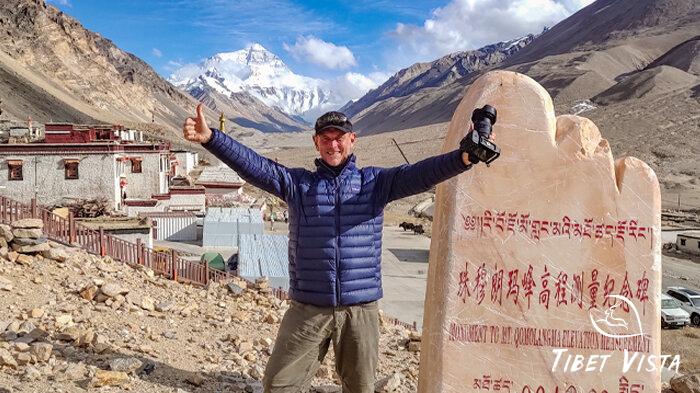 Our guests capture the majestic north face of Mount Everest at the Tibet EBC.
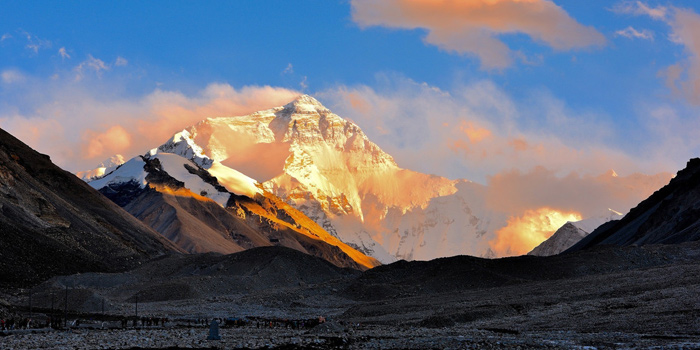

Join our classic 8-day Lhasa to EBC tour to photograph the breathtaking, unobstructed north face of Mount Everest.
Where Are the Best Places to Photograph Mount Everest in Tibet? Mainly in the Everest Natural Preserve
As Mount Everest in Tibet is located in the Qomolangma (Everest in Tibetan) National Nature Preserve, Tingri County, Shigatse, most of the best spots to photograph Mt. Everest are within this protected area.
Shortly after you enter the Everest Nature Preserve, our local Tibetan driver will take you to wind through the iconic 108 hairpin bends. This scenic drive leads you to the famous Gawu La Pass (5,200m), one of the best Mount Everest viewpoints. From here, you can capture the sweeping panoramic views of Mount Everest (8848.86m), along with the other four highest Himalayan peaks lined up proudly above the horizon.
You will make a stop here and enjoy enough time to capture epic Mount Everest photos. You can use the colorful, fluttering Tibetan prayer flags as a beautiful foreground, and include the zigzag mountain roads and rolling Himalayan peaks to add depth to your engaging Everest shots. There is also a man-made Polaroid-style frame where you can take fun selfies for Instagram with the mighty Himalayan peaks in the background.
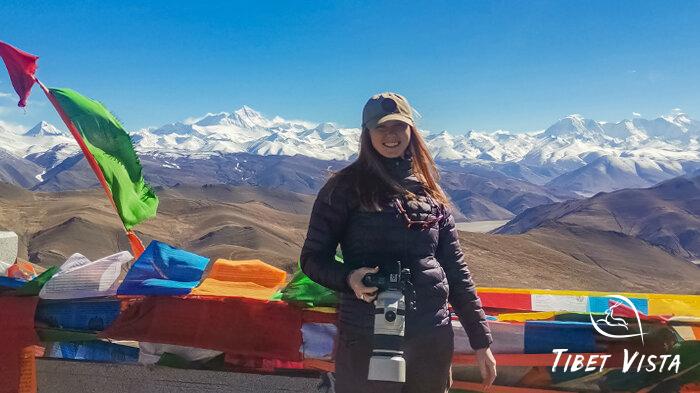 The stunning panoramic view of Mt. Everest and other Himalayan peaks captured by our guests at the Gawu la Pass.
When you finally arrive at the Tibet Everest Base Camp (5,010m), it feels like you are standing right at the foot of Mount Everest, as it is just 19 km from the Tibet EBC. You can gaze at Everest’s majestic, unobstructed north face rising before you in all its glory. The most popular spot to shoot Mt. Everest here is the Mount Everest markers with Everest’s height (8,848.86m) engraved on it.
You can lean against the Everest marker or even sit on it for the classic “Everest, I Made It” photo, a must-take shot to tick off your travel bucket list. Later, you can post it on your social media and share the joy and excitement of this unforgettable adventure with your friends and family.
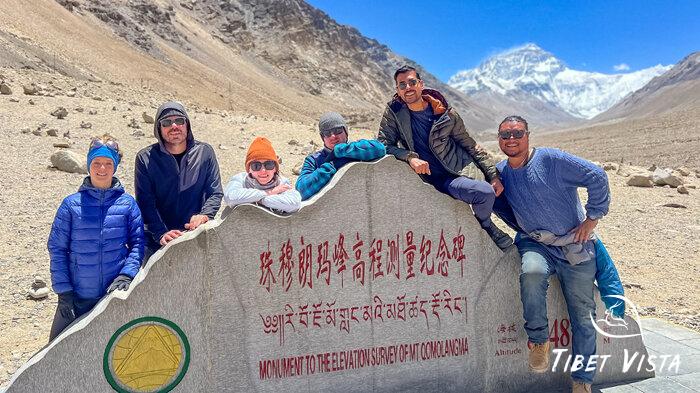 Our guests and guide took photos with Mount Everest and Everest marker at the Tibet EBC.
Just a minute’s walk from the Tibet EBC, you will find Rongbuk Monastery (5154 m), the highest monastery in the world. For photographers, the monastery’s colorful Tibetan prayer flags, iconic white stupa, and roaming Tibetan yaks bring extra interest and character to your Mount Everest photography.
You can hike to the hillside of Rongbuk Monastery and use the monastery as the foreground element or a leading line guiding the viewer’s eyes towards Everest in the deep valley ahead. Believe me, it will help you capture once-in-a-lifetime Mount Everest photos.
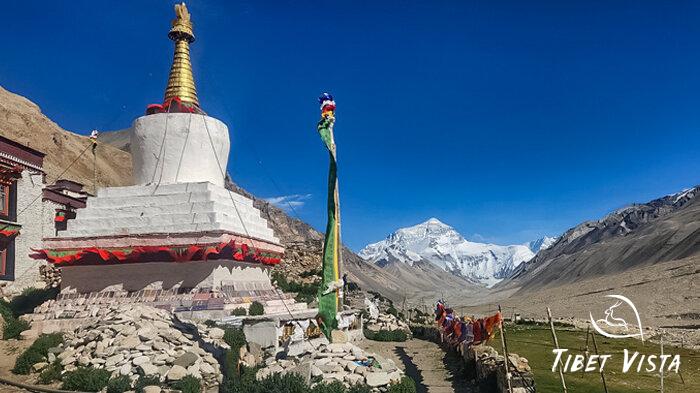 Use Rongbuk Monastery as foreground elements to photograph Mount Everest.
After visiting the Tibet EBC, you will stop at the Dinggye Xilin Viewpoint (4,300m) on your way back to Shigatse. It’s one of the best places to photograph the eastern face of Mount Everest, standing side by side with the world’s fourth-highest peak (Lhotse, 8,516m). Here, you can use a telephoto lens to compress the rolling sand dunes and serene river valleys with mighty Himalayan peaks into a captivating Everest landscape shot.
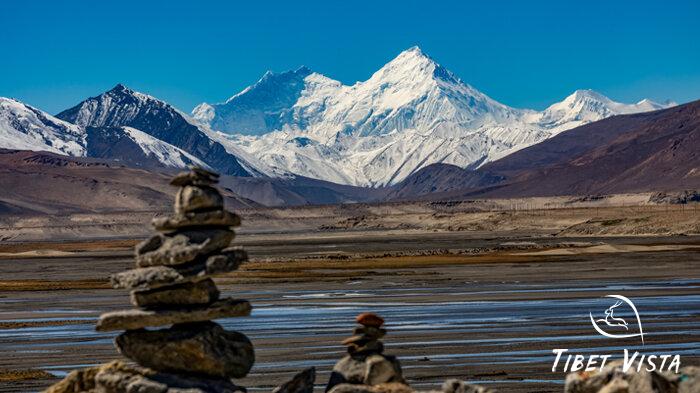 Photos of the Eastern face of Mount Everest captured at the Dinggye Xilin Viewpoint by our guests.
| Best Location | Altitude | What to Capture | Composition Tips |
| Gawu La Pass | 5,200m | Panoramic views of Mount Everest (8,848.86m) and four other highest Himalayan peaks in a row | Use colorful prayer flags as foreground; include zigzag roads and rolling peaks for depth; take fun photos using the man-made Polaroid-style frame |
| Tibet EBC | 5,010m | Unobstructed, close-up view of Everest’s north face; most popular spot: Everest height marker | Take the classic “Everest, I Made It” photo; lean or sit on the Everest marker; perfect for social media sharing |
| Rongbuk Monastery | 5,154 m | Colorful prayer flags, white stupas, roaming Tibetan yaks, and Everest aligned beautifully | Hike to the hillside; use the monastery as a foreground or leading line guiding the eyes toward Everest for epic shots |
| Dinggye Xilin Viewpoint | 4,300m | Eastern face of Mount Everest and Lhotse (8,516m) side by side. | Use a telephoto lens to compress sand dunes, river valleys, and Himalayan peaks into a dramatic landscape shot |
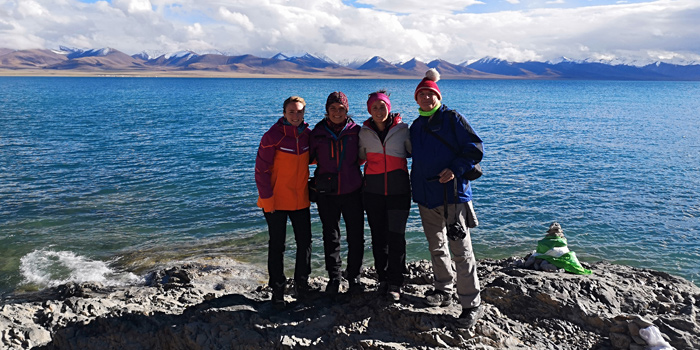
Photograph majestic Mount Everest and two of the holiest Tibetan lakes on one thrilling overland adventure..
What Is the Best Time to Photograph Mount Everest in Tibet? April to May, Late September to November
As the ultimate place for photographing the close-up shots of Mount Everest, the Tibet Everest Base Camp draws global travelers throughout the year.
If you want to capture Mount Everest in all its splendor, as a local Tibetan guide, I always recommend visiting the Tibet EBC between April to May, and Late September to November, two of the golden seasons for Mount Everest photography.
During these months, you can enjoy crisp air, mild temperatures, and the clearest Himalayan skies, which are perfect for photographing the majestic north face of Mount Everest at the Tibet EBC. Meanwhile, the road conditions from Lhasa to Everest Base Camp are also at their best.
You are also more likely to capture Everest’s magical sunrise (07:30 to 08:20) and sunset (19:30 to 20:30) as the sun slowly paints the summit of Mt. Everest in soft orange and pink hues. These photogenic Everest photos won’t just look beautiful. They will become part of your cherished memories at the heart of the Himalayas in Tibet.
Join our classic 8-day Lhasa to EBC tour to photograph the breathtaking, unobstructed north face of Mount Everest.
However, if your schedule only allows you to visit the Tibet EBC in summer (July to August), Mount Everest may play hide and seek in clouds for a while. However, no worries! This is part of the charm of the Himalayas. As a local Tibetan guide, I know Mount Everest’s moods very well. I will keep a close eye on the weather changes and help you choose the best time to walk out and find the right viewpoint. So, you can capture the best Everest photo possible.
| Month | Avg Temp (°C) | Clear Days | Rainfall (mm) | Wind Speed |
| January | -17~4 | 29 | 6 | 7.4 km/h |
| Feburary | -16~3 | 29 | 4 | 9 km/h |
| March | -12~7 | 30 | 4 | 13 km/h |
| April | -9~10 | 29 | 10 | 6 km/h |
| May | -2~12 | 30 | 7 | 11 km/h |
| June | -1~15 | 29 | 20 | 10 km/h |
| July | 8~17 | 26 | 94 | 10 km/h |
| August | 10~23 | 28 | 108 | 9 km/h |
| September | 0~19 | 29 | 29 | 9 km/h |
| October | -8~17 | 30 | 18 | 22 km/h |
| November | -10~10 | 28 | 1 | 17 km/h |
| December | -15~5 | 29 | 4 | 8.9 km/h |
What Camera Gear Should I Have to Capture Mount Everest at the Tibet EBC?
My suggestion is to travel light and keep your gear simple. For most normal travelers, having your iPhone or any other smartphone is enough to capture stunning, high-quality Mount Everest photos.
The reason is simple. At an average altitude of over 4,500 m, the air is thin, while the visibility in the Everest region is incredibly high. The deep blue sky contrasts beautifully with the white snow-capped Himalayan peaks, fluffy clouds, colorful Tibetan prayer flags, and brown, barren hills. Even without a professional camera or any filters, you can easily take contrasty, high-definition photos of Mount Everest.
However, if you are a shutterbug or a professional photographer who needs more control over your images, bringing a full-frame DSLR or mirrorless camera would be a great idea.
As to the lenses for Mount Everest photography, I recommend that you bring a versatile travel zoom lens, such as 24–70mm f4, 24–120mm f4, or 24–200mm f4-6.3. These lightweight zoom lenses are perfect for photographing landscapes, portraits, and close-up shots of Mount Everest around the Tibet Everest Base Camp.
Besides, if you plan to shoot the Milky Way over the Tibet EBC at night, a fast wide-angle lens (with a large aperture like f/1.4 or f/2.8) will help you capture the amazing starry night over the mighty Mount Everest beautifully.
What’s more, at Tibet EBC (5,010m), temperatures drop quickly, so please remember to bring extra memory cards and spare batteries, as batteries drain much faster in the cold night. A lightweight portable tripod is also very useful for capturing the amazing sunrise and sunset of Mount Everest, and for night photography.
| Everest Photography Gear | My Recommendation |
| Smartphone | Enough for 90% of travelers |
| Full-frame Camera | For shutterbugs or professional photographers needing more control |
| Travel Zoom Lens | 24–70mm f4, 24–120mm f4, or 24–200mm f4-6.3 |
| Wide Aperture Lens for Night Photography | A wide-angle lens with a large aperture (f/1.4 or f/2.8) |
| Extra Gear | Extra memory cards, spare batteries, lightweight portable tripod |
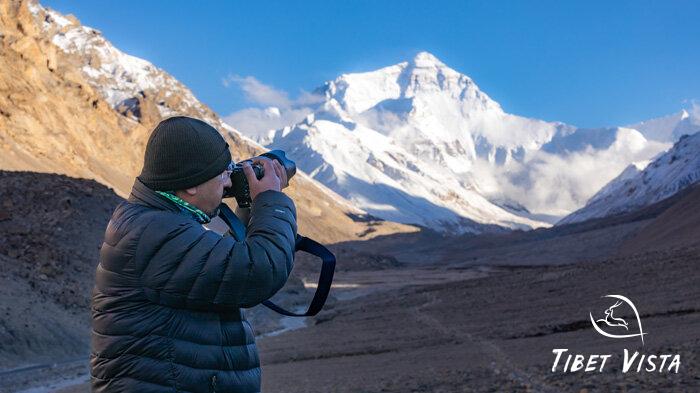 Our guests take photos of mighty Mount Everest at the Tibet EBC.
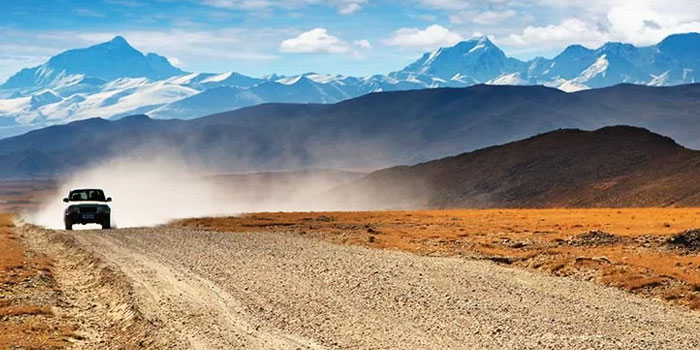
Travel across the mighty Himalayas from Lhasa to Kathmandu and capture epic Mount Everest photos along the way.
Can I Capture the Starry Night View of Mount Everest in Tibet? Definitely
Yes, absolutely! For stargazers, overnighting at the Tibet EBC offers you a once-in-a-lifetime experience to photograph the dazzling Milky Way arching over the sublime Mount Everest.
At Tibet EBC (5,010m), you won’t be bothered by city light pollution for night photography. On a clear night, the stars above the base camp sparkle like diamonds over the towering Mount Everest. It creates a truly magical scene to be documented with your camera.
Likewise, April to May and Late September to November are the best times for Mount Everest night photography. During these months, you can witness the Milky Way stretching over the jaw-dropping north face of Mount Everest. It is a truly breathtaking spectacle to behold and capture for Mount Everest tourism.
Besides, for the best timing, the magic hours are usually between midnight and 3 AM, when the sky is darkest and calmest. Don’t forget to wrap yourself in a warm down jacket before going out, because the night at Everest can be extremely chilly, even in spring and autumn. Meanwhile, you may turn on the flashlight on your iPhone and bring a tripod if you have one, and keep your camera battery close to your body so it doesn’t freeze and die too fast.
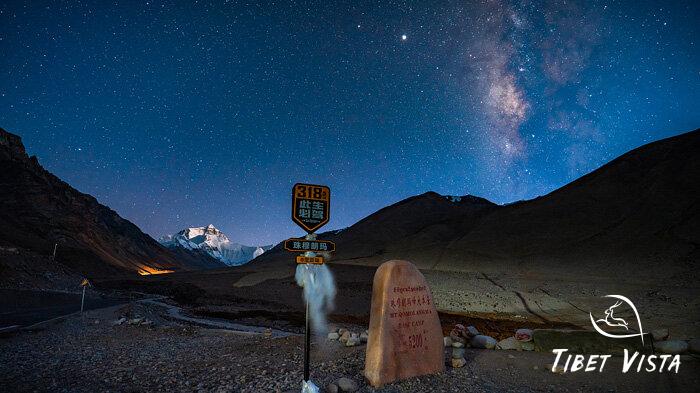 The stunning Milky Way over the Tibet Everest Base Camp, captured by our guests in October.
How Should I Plan My Mount Everest Photography Tour as an Overseas Traveler?
Since overseas travelers can only visit Tibet through an organized Tibet tour, you may either consider booking a budget-friendly Mount Everest small group tour or a fully customizable private Mount Everest photography tour to travel at your own pace.
For most solo travelers, our classic 8-day Lhasa to Everest Base Camp small group tour (max 12 travelers per group, multiple fixed departures) offers you the most affordable way to explore Lhasa and Shigatse, two of the cultural heartlands in central Tibet, and enjoy an amazing Mount Everest photography tour from Shigatse to the Tibet EBC.
Besides, you can meet many like-minded global travelers and enjoy our one-stop service for securing the Tibet Travel Permit, arranging transportation, quality local hotels, a local Tibetan guide, dining, oxygen supplies, and more. So, you can immerse yourself in photographing Mount Everest, 100% worry-free.
On the other hand, if you are a professional photographer or traveling with your family, looking for a more tailored experience, my fellow local photographer guides and I are happy to take you to the best spots for Mount Everest photography.
On a personalized Mount Everest tour, you can decide how long to stay at each location, what to eat, and adjust the itinerary and activities to suit your own pace and interests. So, you can capture Mount Everest from unique perspectives and off-the-beaten-path locations.
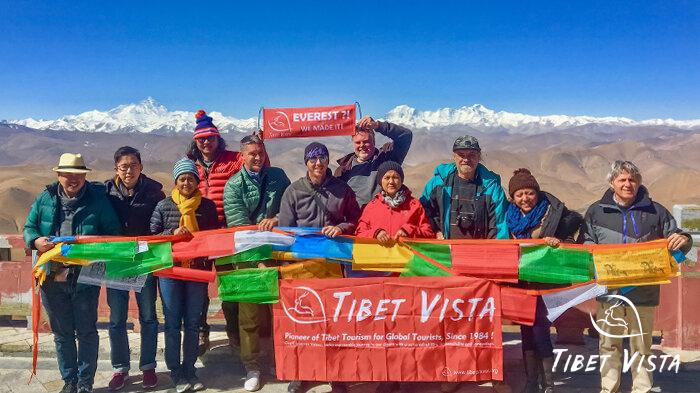 Our guests and I took photos with Mt. Everest at the famous Gawu La Pass on the way to Tibet TEBC.
Join our classic 8-day Lhasa to EBC tour to photograph the breathtaking, unobstructed north face of Mount Everest.
Conclusion
Capturing Mount Everest in all its glory is more than just photography. For many, it’s an unforgettable journey, even a lifelong dream, to the Roof of the World. Hopefully, my personal advice and tips will help you fulfill that dream of visiting and photographing Mount Everest.
If you have more questions about Mount Everest tours and Everest photography, don’t hesitate to email us for free and expert travel solutions. Looking forward to guiding you to the most breathtaking views of the world’s highest mountain and intriguing Tibetan life on once-in-a-lifetime shots.
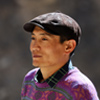
Well, who doesn’t like a welcoming and versatile Tibetan guide who travels with you and captures your precious Tibet travel moments professionally? Mr. Keldor, our expert Tibetan guide and a pro photographer, is your best bet.
Additionally, Keldor is fluent in English, German, Mandarin, and Tibetan, and his extensive knowledge of Tibetan Buddhism and local customs equips him to handle diverse tour groups in Tibet with ease. Here, enjoy Keldor’s pro travel tips to get fully prepared for your Tibet tour.
 Email me about your travel idea
Related Articles & Posts
Most Popular Tibet Tour Packages
-
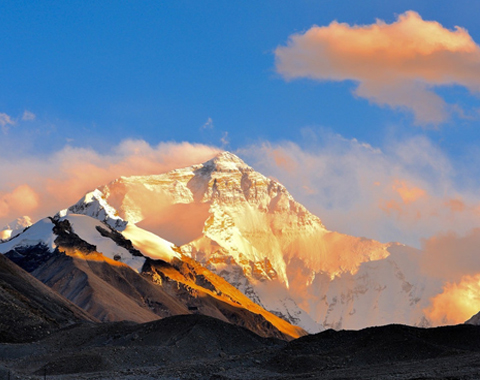
Lhasa - Gyantse - Shigatse - Everest Base Camp - Shigatse - Lhasa
USD949
View Details -
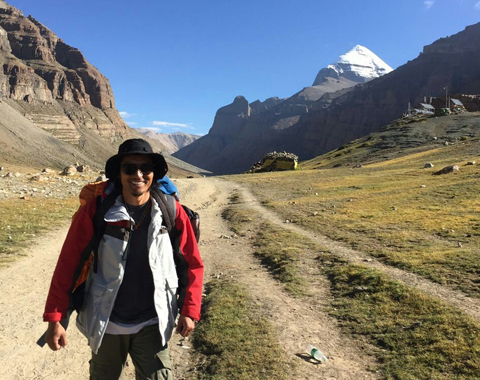
Lhasa - Gyantse - Shigatse - E.B.C - Saga - Kailash Trek - Darchen - Lake Manasarovar - Saga - Gyirong - Tingri - Lhasa
USD2069
View Details -
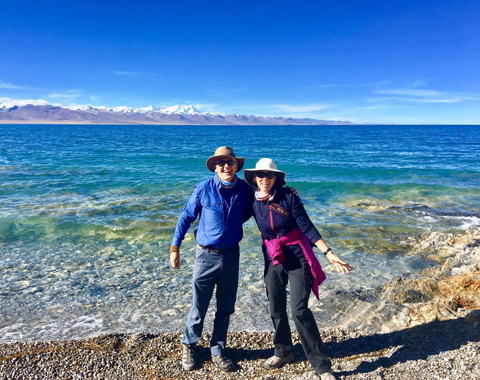
10 Days Lhasa to Everest Base Camp, Namtso Lake and Holy Elephant Gate Small Group Tour
Lhasa - Gyantse - Shigatse - EBC - Shigatse - North Tibet Grassland - Bange - Namtso Lake - Holy Elephant Gate - Lhasa
USD1299
View Details -
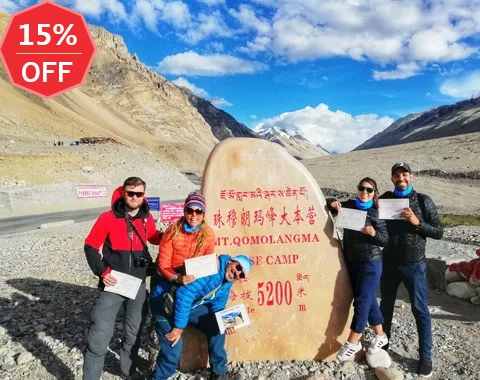
8 Days Driving Across Himalaya Overland Adventure from Kathmandu to Lhasa
Kathmandu - Gyirong - Everest Base Camp - Tingri - Shigatse - Gyantse - Lhasa
USD1019
View Details -
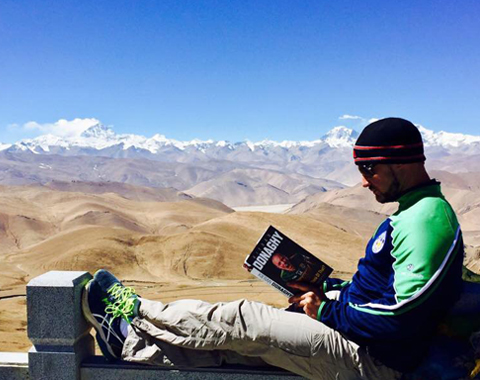
Lhasa - Gyantse - Shigatse - Everest Base Camp - Gyirong - Kathmandu
USD989
View Details -
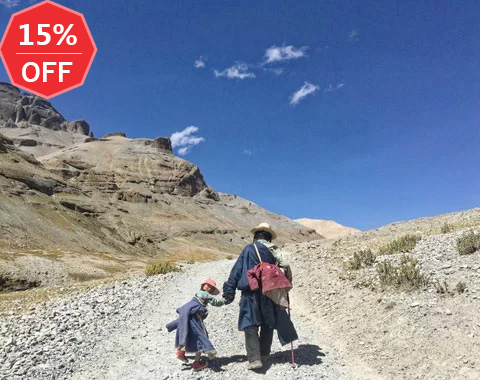
Lhasa - Gyantse - Shigatse - EBC - Saga - Darchen - Kailash Trek - Darchen - Saga - Gyirong - Kathmandu
USD2069
View Details -
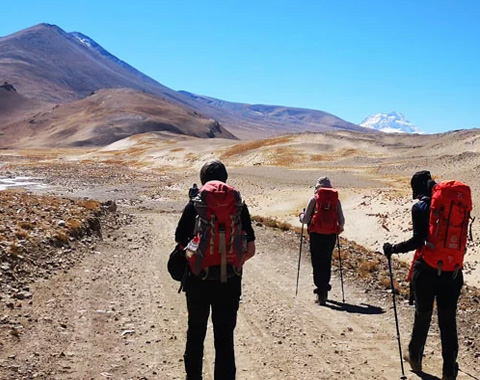
10 Days Best Everest Trekking Small Group Tour from Tingri to Everest Base Camp
Lhasa - Yamdrok Lake - Shigatse - Old Tingri - Lungjiang - Lamna-la - Chaya Pass - Everest Base Camp - Tingri - Shigatse - Lhasa
USD1780
View Details -
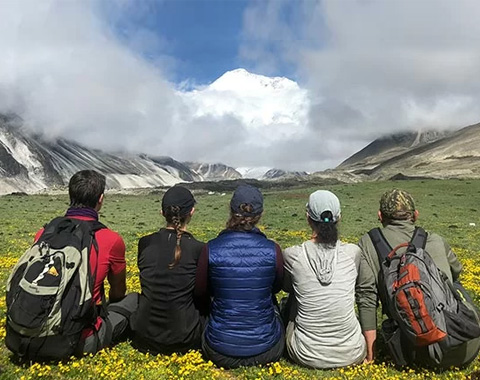
15 Days Gama Valley Trekking in the Eastern Slope of Mt. Everest
Lhasa - Gyantse - Shigatse - Gama Valley Trek - Shigatse - Lhasa
USD2890
View Details
0 Comment ON "Mount Everest Photography in Tibet: Expert Tips from Our Photographer Keldor"


Why Tibet Is the Best Place to Take Mount Everest Photos? Epic Viewpoints and Easy Travel
What Is the Best Time to Photograph Mount Everest in Tibet? April to May, Late September to November
What Camera Gear Should I Have to Capture Mount Everest at the Tibet EBC?
Can I Capture the Starry Night View of Mount Everest in Tibet? Definitely
How Should I Plan My Mount Everest Photography Tour as an Overseas Traveler?