
 Search
.jpg "Tibetan Local Travel Agency")



Tibetan Daily Life: Discover the Everyday Life in Tibet
Friendly, resilient, and deeply religious, Tibetans are among the most extraordinary people you will meet on your Tibet journey. Living on the harsh and towering Tibetan Plateau, they not only adapt but flourish in such challenging conditions.
So, what is the daily life of local Tibetans really like? How do Tibetans in bustling cities, quiet villages, vast grasslands, or sacred monasteries spend their days? Please join us to dive into the deeply spiritual and intriguing lives of the Tibetan people and learn how you can experience authentic Tibetan life on the Roof of the World.
Content
Tibetans Not Only Survive but Thrive on the Harsh and Lofty Tibetan Plateau
What Does a Typical Day in Tibetan Life Look Like? Morning Prayer, Kora, and Beyond
What Is the Daily Life of Tibetans in Cities like Lhasa and Shigatse?
What Is Daily Life Like for Tibetan Nomads?
What Is the Day of Life for Tibetan Farmers in Rural Areas?
What a Typical Day Looks Like for a Tibetan Monk?
How Can You Experience Authentic Tibetan Life with Our Local Experts?
Tibetans Not Only Survive but Thrive on the Harsh and Lofty Tibetan Plateau
Born on the high and rugged Tibetan Plateau (above 4,000m on average), Tibetans are genetically adapted to high altitudes. This unique ability allows them to grow crops and herd animals at extreme altitudes and thrive in an inhospitable environment that others can’t endure.
Traditionally, Tibetans lead a nomadic life on massive highland pastures scattered across Tibet, such as the Qiangtang grasslands in Naqu Prefecture, northern Tibet. Their livelihood depends on raising livestock, such as Tibetan yaks, sheep, and goats. These animals adapt well to the alpine environment and provide Tibetan nomads with essentials, including milk, yak butter, meat, warm wool or fur, and yak dung as a fuel for cooking and survival on the harsh Tibetan Plateau.
Besides, since Tibet has a sheer size of 1.22 million km² with varied landscapes, apart from the Tibetan nomads, in the fertile Yarlung Tsangpo river valley regions around central and eastern Tibet (Lhasa, Shigatse, Shannan, and Nyingchi), you may also see local Tibetans live a settled farming life. They grow highland crops like barley and wheat for their own consumption and for sale.
In addition, nowadays there are also many Tibetans engaged in handicrafts, catering, trade, and other work in Tibetan cities. Their resilience and wisdom enable them to overcome harsh climates and terrains and continue to flourish on the Roof of the World.
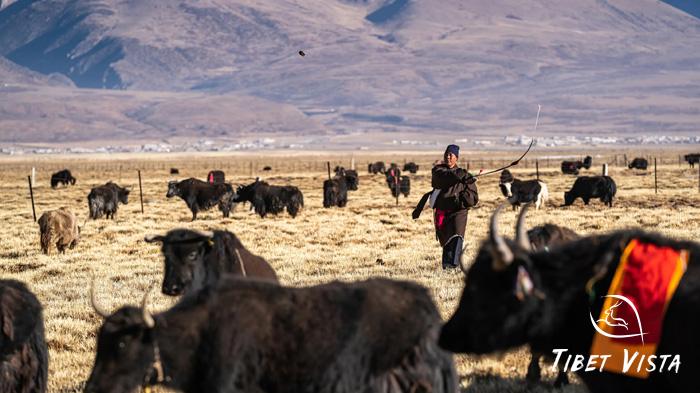 Tibetan nomads herding Tibetan yaks in nomadic regions in northern Tibet.
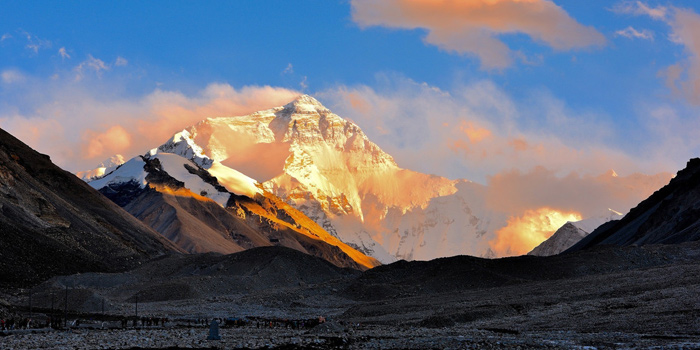

Travel from Lhasa to Tibet Everest Base Camp to explore the life of local Tibetans at the heart of the Himalayas.
What Does a Typical Day in Tibetan Life Look Like? Morning Prayer, Kora, and Beyond
Tibetans are deeply religious Buddhists. No matter whether they live in the grasslands, farming villages, or bustling cities, practicing Tibetan Buddhism and following Buddhist practices run through every facet of their Tibetan daily life.
In the morning, many Tibetans start the day by chanting morning prayers and adding butter oil to the butter lamps at the household altar as offerings to the Buddha. Then, they will proceed to walk the kora (circumbulate holy sites as a pilgrimage) while chanting mantras and spinning Tibetan prayer wheels around monasteries or sacred mountains and lakes. By doing so, they believe that they can gain merit for the next life, spread blessings to all beings, purify their soul, and more.
After completing the morning kora, elder Tibetans often head to local teahouses to enjoy a hearty breakfast, such as Tibetan sweet tea, Tibetan noodles, momos (dumplings), Balep (bread), yak meat, and beyond. These teahouses are their favorite spots to catch up with friends and rest for a while after their devoted pilgrimage.
Aside from the monasteries and local markets, Tibetans often love gathering in parks or on the wide grasslands to enjoy the traditional Guozhuang dance (circle dance) or join friends and families for picnics (Lingka in Tibetan) to savor the simple joys of the day.
While for other younger Tibetans, life follows its own rhythm. Herders take their yaks and sheep to pasture, farmers work in the fields, office workers go to their jobs, children head to school, and shopkeepers open their businesses. Whether in the quiet countryside or the lively streets of Lhasa, faith and community are seamlessly woven into every part of our Tibetans’ daily life.
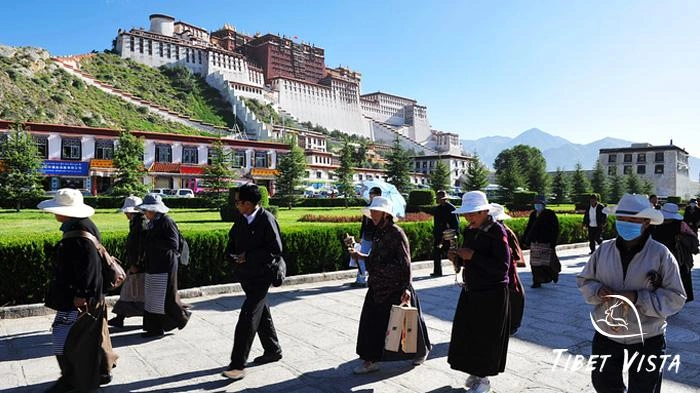 Local Tibetans walk the kora around the Potala Palace in Lhasa.
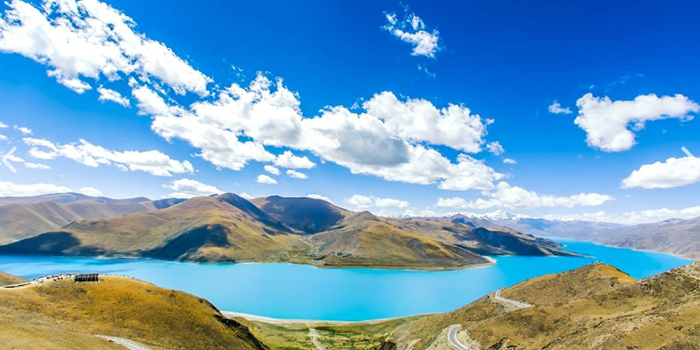
Explore the local Tibetans' life in Lhasa and journey to turquoise Yamdrok Lake nearby.
What Is the Daily Life of Tibetans in Cities like Lhasa and Shigatse?
Lhasa and Shigatse are two of the largest and most livable cities in Tibet. Here, Tibetans can enjoy the best healthcare, education, and job opportunities imaginable. These advantages benefit not only local residents but also draw many Tibetans from remote, rural, and nomadic regions afar.
Both in Lhasa and Shigatse, a typical day blends modern city life with deep-rooted Buddhist traditions.
In Lhasa, a Tibetan day often begins with a brief morning prayer. Around 7:30 in the morning, locals rise, freshen up, and head to their household altar. There, they would add oil to butter lamps, chant mantras, and offer prayers to the Buddha. By the end of the ritual, they will burn the fragrant Tibetan incense to fill the home with an auspicious scent.
Now, it’s time for breakfast. First, locals will make the traditional Tibetan butter tea. As always, the first cup of tea will be offered to the Buddha at the household altar. Then, they will sit down at the table to drink Tibetan butter tea while using their right hand to mix barley flour with a bit of yak butter and a splash of salty butter tea to make iconic Tsampa (roasted barley flour dough), a staple of Tibetan breakfast for generations.
After breakfast, some may also meditate at home for a while before heading out to walk the morning kora around Potala Palace or Jokhang Temple as a daily routine. Along the way, local Tibetans will prepare juniper branches and a bit of liquor and burn them in the juniper burner, filling the air with fragrant smoke as an offering to the Buddha and a wish for good luck. As they walk clockwise around the holy sites, they will spin prayer wheels and chant mantras as well.
A local’s favorite in Lhasa city is the local park (Zhongjiao Lu Kang) behind the Potala Palace, where many will walk among the tree-lined paths and enjoy the serene lake view, and continue to enjoy traditional Tibetan dance with others in a small public square. If they feel hungry, they would dine at the local Tibetan restaurants within the park.
In the afternoon, locals often stroll through nearby parks like Norbulinka, Tibet’s most famous royal garden, or enjoy a picnic there. Some may buy fish to release into the Lhasa River as an act of charity. Later, they return home to help with family chores, and at night, they reflect on Buddha’s blessings and chant prayers for a peaceful day before going to bed.
On the other hand, in Shigatse City, most Tibetans follow the same pattern of life as in Lhasa. The only difference is that locals there will walk the kora around the Tashilhunpo Monastery as a daily routine. It is the home to the Panchen Lamas (Great Scholar of Tibetan Buddhism) and the most prestigious Gelugpa monastery in Shigatse.
After morning kora, they will hang out with friends in the old quarters of Shigatse, situated right below the Shigatse Dzong (fortress-like palace), the original model for the Potala Palace. Here, you will find many Tibetan teahouses, local restaurants, antique stalls, and grocery stores packed closely together. It’s a lively place where locals, tourists, and nomads all gather, full of authentic Tibetan experiences. That’s why many often refer to it as the “Barkhor Street” of Shigatse.
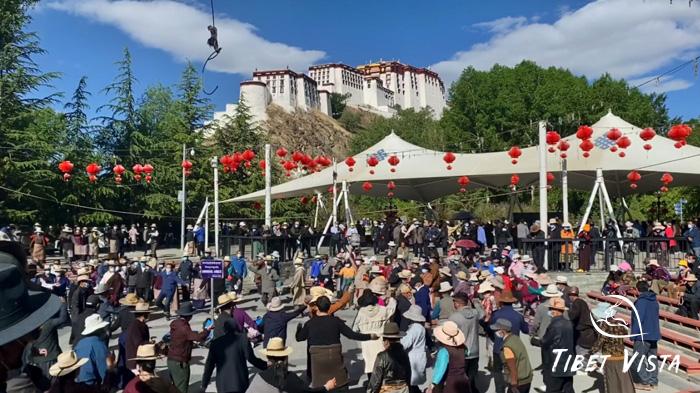 Local Tibetans hang out in the serene local park behind the Potala Palace.
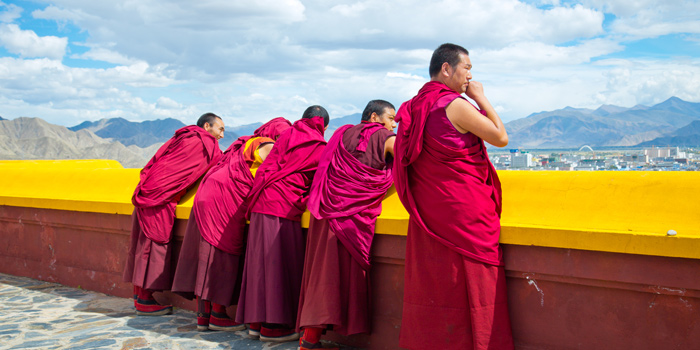
Explore Lhasa and Shigatse to discover intriguing local Tibetan lives.
What Is Daily Life Like for Tibetan Nomads?
Tibetan nomads face more challenges than those living in cities. Nomads often live in regions above 3,000m in northern Tibet. The famous Changtang grasslands are well over 4,500m. Despite the thin air and a harsh natural environment, the vast highland pastures are ideal places for raising livestock like Tibetan yaks, sheep, and horses. This unique way of living has shaped Tibetan nomadic life for centuries.
At around 06:30, Tibetan nomads would get up and use dried yak dung as a fuel to make a fire to prepare breakfast in the black yak-hair tent. Then, they will walk to the nearby streams around the camping sites to do the wash-up and fetch clean water for cooking.
Most importantly, they bring clean water as an offering to the Buddha in a small altar within the nomad’s tent while chanting prayers and lighting up the butter lamps, a ritual they believe can bring good luck, prosperity, and remove bad karma. Then, Tibetan nomads will take out the Buddhist scriptures and chant the mantras for the morning prayer.
After the morning prayer, nomads will make Tibetan butter tea and eat Tsample (roasted barley flour dough) for breakfast. This high-calorie breakfast ensures the Tibrean nomads have enough energy and nutrition to herd livestock at extreme altitudes.
Shortly after breakfast, the male nomad will go to the high mountains or pastures to graze the Tibetan yaks and sheep, while the wife of a Tibetan nomad family would stay at the campsite and milk the cow, make yak butter, collect the yak dung for fuel, and do other chores like washing and more. As a tradition, she will also burn cypress or junipers to pray for a smooth day for her husband’s herding.
After the herder returns, the nomadic family will make lunch together and enjoy happy family hours in the care-free afternoon with picture-postcard grassland, blue skies, and fluffy clouds drifting by. When needed, the Tibetan nomads will also ride a horse to the closest local market to do grocery shopping or trading.
When the night comes, the nomad family would enjoy a warm bowl of yak-meat noodle soup in their tent, shares interesting stories of the day around the fireplace, and chants prayers before going to bed around 11:00. Basically, Tibetan nomads live harmoniously with the surrounding nature and survive on the tough Tibetan Plateau with wisdom, tenacity, and deep respect for nature.
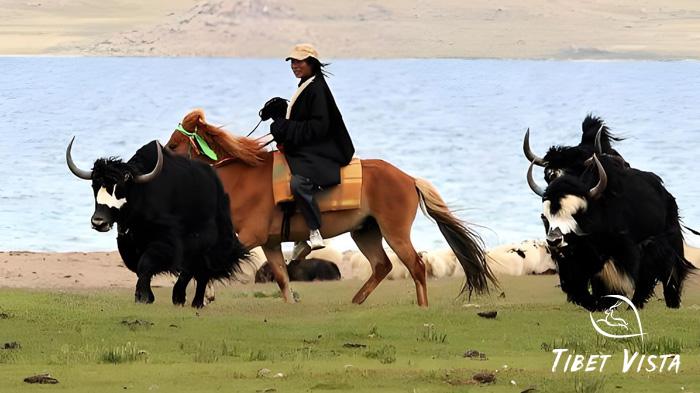 Tibetan nomads graze the Tibetan yaks on the grassland in northern Tibet.
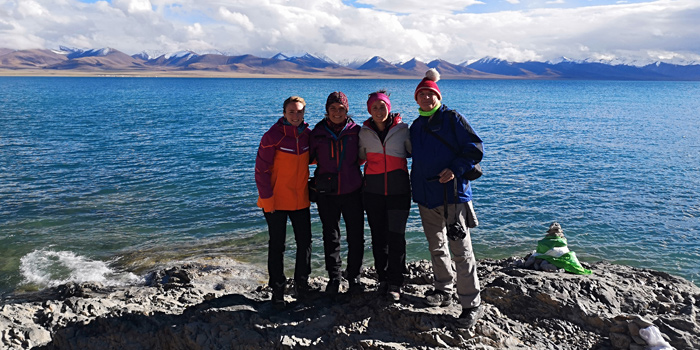
Journey from Lhasa to heavenly Namtso Lake with side trips to explore Tibetan nomads in northern Tibet.
What Is the Day of Life for Tibetan Farmers in Rural Areas?
On the contrary, Tibetans in the rural regions live at a relatively lower altitude (around 3,000 to 4,000m) with cozy farmhouses, especially around the river valleys of Shigatse, Lhasa, Shannan, and Nyingchi. The fertile land nearby allows them to grow highland crops such as barley and wheat, and many Tibetans living here are farmers.
Apart from the same morning prayer and Buddhist rituals and similar diet mentioned above, Tibetan farmers often begin their days by checking on the yaks and sheep and preparing farming tools. While Tibetan women prepare baskets, a thermos bottle to carry Tibetan butter tea, and some simple field snacks such as Tsampa (roasted barley flour dough), dried yak meat, and Tibetan yogurt. Before leaving for the fields, they will also feed yaks, horses, and cattle in the shed.
The entire morning is the golden time for farming. The sun is warm but not too harsh. Tibetan men will guide the plow, pulled either by Tibetan yaks or a small walking tractor, while women follow behind to scatter seeds, usually barley, wheat, or rapeseed, and apply natural fertilizer.
In the middle of the work, there’s always a short break. Families sit down together in the field, enjoy Tibetan butter tea and Tsampa dough, and chat for a while to relax. Then, they will continue to work in the field until sunset. Besides, Tibetan women often return home earlier to milk the cows, churn butter tea, make Tibetan cheese, or start preparing dinner.
As the sun sets, Tibetan men lead the Tibetan yaks home along with the farming tools and enjoy dinner with the family. Before going to bed, Tibetan women will prepare food for the next day, and the men will check whether the farming tools are in good condition. And they will chant mantras and get ready for another day of farming life. It is a peaceful and idyllic lifestyle that many living in modern cosmopolitan cities dream of.
- Read more about the harvest time in Tibet
- Learn more about the life of a Tibetan woman at the foot of Mt. Everest
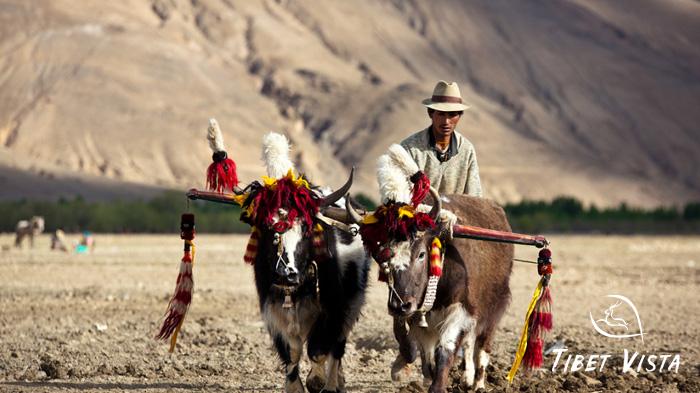 Tibetan farmers are plowing their fields in the springtime in Tibet.
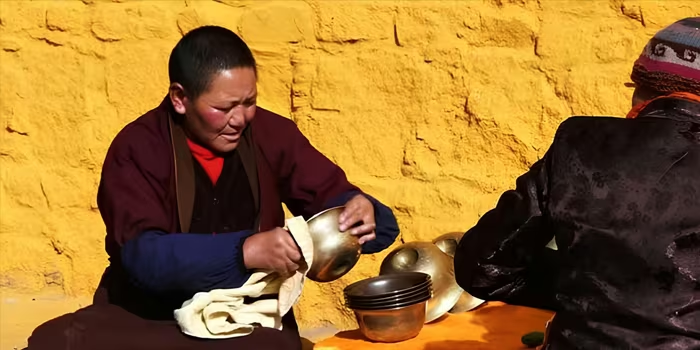
Explore the peaceful Trubshi village around Lhasa for cultural discovery.
What a Typical Day Looks Like for a Tibetan Monk?
Tibetan Buddhism lies at the heart of Tibetans’ daily life. For Tibetan monks, it means even more. And you can see them as students of Tibetan Buddhism, and they spend years learning and practicing Buddhist doctrines in monasteries, temples, and quiet meditation retreats in Tibet.
At 07:00, you will hear a deep sound of the drum that echoes through the monastery. It serves as the wake-up call for the monks to rise and begin their new day of practice.
After a Tibetan monk wakes up, he will have a brief morning prayer for the happiness of all living beings on their bed, followed by three prostrations to show his respect for the three jewels of Buddhism (Buddha, Buddhist teachings, Buddhist practitioners). Then, he will wash up and shave his head every morning to symbolize that he has given up worldly pursuits and possessions, and burn juniper branches to worship the Buddha and help the mind stay calm and focused.
As another morning routine before breakfast, A Tibetan monk will fetch water as an offering to the Buddha in the monastery. He will carefully fill seven small bowls with water. This helps purify the mind and bring good karma, and allows monks to gain merits while letting go of selfishness and attachment.
Then, a monk will blow a white conch ( big seashell horn) to tell all monks to perform the formal morning prayer in the main prayer hall. All monks enter the prayer hall, and they will start their prayers by prostrating respectfully before the Buddha. Then, they will spend about an hour chanting sacred scriptures and mantras to practice kindness and compassion.
Now, it is time for breakfast. Tibetan monks have a simple breakfast, usually Tsampa (a roasted barley flour), and they often mix it with the Tibetan butter tea. One monk will serve the butter tea for everyone, and they often enjoy their breakfast together in the sunny monastery courtyard.
After breakfast, monks usually head to the meditation area for their practice. The goal is to calm the mind, gain insight, and nurture compassion. Younger monks also spend their mornings in the monastic college, where they study Buddhist scriptures, logic, and philosophy through recitation and explanation.
Around midday, monks will have lunch and a short rest at their dorm. Their meals are simple vegetarian dishes such as fresh fruits, vegetables, rice, steamed buns, and Tibetan momos (dumplings) with hot chili dip, and Tibetan bread (Balep).
From 15:00 to 17:00, a Tibetan monk debate will be held at the debating courtyard. Two monks usually make a group. The standing monk challenges the seated monk with questions about Buddhist philosophy by jumping, yelling, clapping hands, or rolling a mala. The seated monk responds with logic to defend his points. This dramatic debate is both exciting to watch and can help sharpen the monks’ understanding of the Buddhist doctrines.
In addition, Tibetan monks also do charity work, like giving food to the needy and helping the poor. Younger monks often join in simple daily chores, such as planting barley, sweeping the courtyard, or tidying the monastery. Through this kind of work, they can learn humility and the value of discipline.
In the evening, monks gather once again in the prayer hall for their evening prayer. This usually lasts about an hour and ends with a collective prayer ritual.
Afterward, Tibetan monks will enjoy the dinner. It is simple but nutritious, often a bowl of hand-pulled Tibetan noodle soup (thenthuk) with vegetables and yak meat or mutton. The rest of the evening is for monks to decide. They can read scriptures, discuss the Dharma with friends, or do personal things. Around 23:00, after final prayers, Tibetan monks will go to sleep, bringing a full and meaningful day to a close.
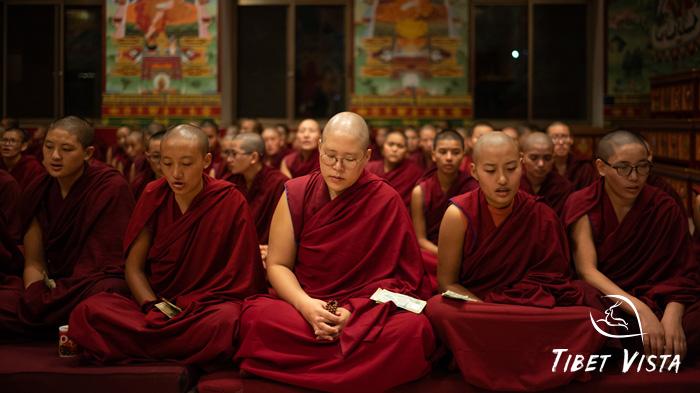 Tibetan monks chanting the mantras in a Tibetan monastery.
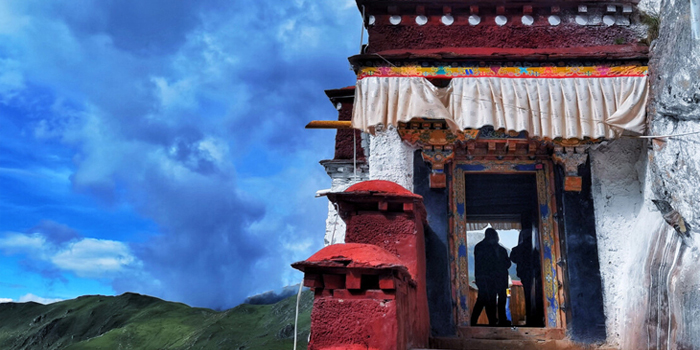
Visit Tibet's must-see attractions in downtown Lhasa with excursions to secluded Tibetan monasteries at the suburbs.
How Can You Experience Authentic Tibetan Life with Our Local Experts?
For overseas travelers, the best way to truly experience authentic Tibetan life is to travel with our local experts. We will take you beyond the usual sights and dive deep into the heart of Tibetans’ devoted and fascinating daily life. So you can see, hear, smell, taste, and feel it for yourself.
You will start the day by joining locals in a morning kora (pilgrimage) around the Potala Palace and Jokhang Temple to see and feel the devotion of Tibetan pilgrims through their full-body prostration, turning prayer wheels, and chanting mantras Later, follow our local Tibetan guides to soak up the vibes in a bustling Tibetan sweet tea house, sipping Tibetan sweet tea and tasting other local snacks while listening to the cheerful chatter of locals all around.
Or, join Tibetan grannies for a joyous dance in the local park and feel the laidback atmosphere of Tibet, and closely take a glimpse of the vibrant Tibetan monk debates in the Tibetan Monastery and beyond.
With convenient local transfers and our local experts by your side, you can venture off the beaten path to discover secluded monasteries and visit Tibetan families in the countryside to see how their homes are decorated and feed the Tibetan yaks, and enjoy homemade Tibetan meals from locals or dress in traditional Tibetan dress for archery and horseback riding. It will be an enriching and eye-opening experience.
You can also meet Tibetan nomads on the way to the stunning Namtso Lake in northern Tibet and be the guests in their yak-hair tents and watch how they graze their yaks and live in harmony with nature, or work with Tibetan farmers in the field during the harvest season and explore Tsampa (barley flour) mill on your way to the Tibet Everest Base Camp.
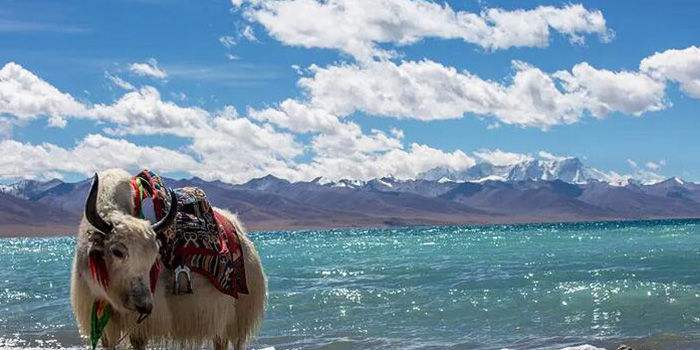
Enjoy the classic trip from Lhasa to Namtso Lake with chances to explore Tibean nomads' life.
So, whether you want to experience the vibrant city life of Lhasa and Shigatse, soak up the charming countryside and nomadic life, or challenge yourself for the ultimate Tibetan pilgrimage at Mt. Kailash in western Tibet, we promise to provide you with a hassle-free and truly immersive Tibetan experience that you deserve!
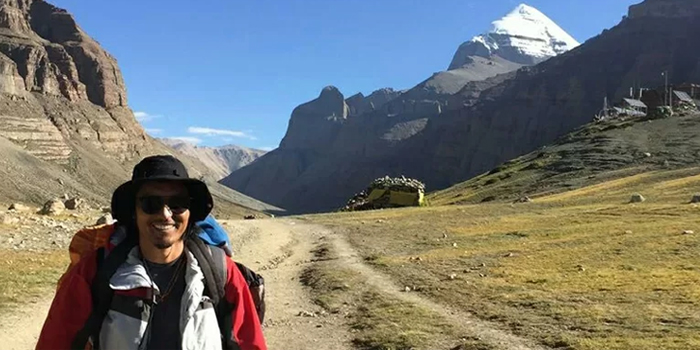
Embark on the ultimate Tibetan pilgrimage from Lhasa to holy Mt. Kailash.
More Insider Tips for Tibetan Lifestyle
Tibetan daily life holds many delightful details that often surprise and inspire travelers.
For example, Tibetan monks actually eat yak meat and mutton because they need to eat these “clean meats” to have enough protein and high calories to survive on the harsh Tibetan Plateau with extreme altitudes. However, fish, pork, dogs, chicken, and eggs are not included in the Tibetan monks’ diet.
Another stereotype about the Tibetan lifestyle is that Tibetans don’t like bathing. In reality, Tibetans also care about personal hygiene. It is just because the dry air and cold climate don’t require washing every day.
Nowadays, Tibetan families in the cities all have showing facilities and running water, and they can have showers whenever they want. Besides, since this is a rich source of hot springs across Tibet, many also prefer to enjoy hot springs in the open air with magical healing powers.
Apart from dancing, singing, picnics, and horse racing, local male Tibetans’ favorite pastime also includes a traditional dice game called “Sho”. It is played among three or four players using two dice, coins, shells, and a wooden bowl to see who can skillfully throw and land the pieces to win points, testing both your luck and wisdom.
Conclusion
From bustling Tibetan city streets to sacred monasteries, rolling pastures, and nomadic camps, everyday life in Tibet is full of color, devotion, and unforgettable experiences for you to discover.
With our attentive and worry-free local tour service and professional teams’ support, you can fully immerse yourself in exploring mysterious Buddhist rituals, authentic Tibetan cuisines, and deeply-rooted traditions, and beyond. If you have more questions about the Tibetan people’s everyday life and Tibet tours, don’t hesitate to email us for free and expert travel solutions. Tashi Delek!

Yangkyi is one of the experienced female local Tibetan guides in our team. She is exceptionally enthusiastic and responsible. The moment you meet Yangkyi in Lhasa, you will be greeted with her infectious smile and deeply impressed by her encyclopedic insight of Tibetan Buddhism and culture.
Traveling with Ynagkyi in Tibet is a breeze. She takes great care of everything and is extremely accommodating to the needs of every traveler in the tour group. Hopefully, you find Yangki’s travel articles hopeful in planning your Tibet tour.
 Email me about your travel idea
Related Articles & Posts



Most Popular Tibet Tour Packages
-
Lhasa - Gyantse - Shigatse - Everest Base Camp - Shigatse - Lhasa
USD949
View Details -
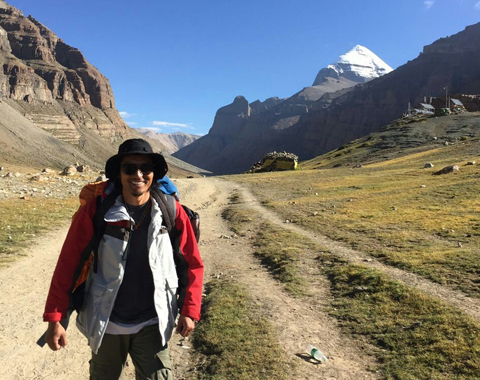
Lhasa - Gyantse - Shigatse - E.B.C - Saga - Kailash Trek - Darchen - Lake Manasarovar - Saga - Gyirong - Tingri - Lhasa
USD2069
View Details -
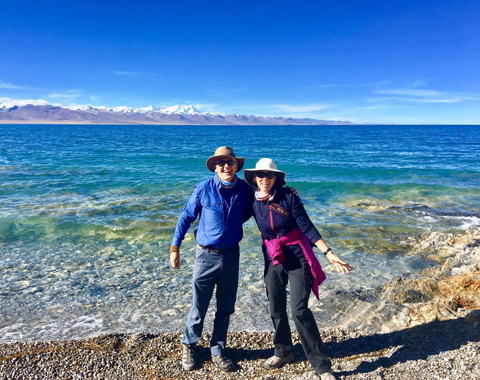
10 Days Lhasa to Everest Base Camp, Namtso Lake and Holy Elephant Gate Small Group Tour
Lhasa - Gyantse - Shigatse - EBC - Shigatse - North Tibet Grassland - Bange - Namtso Lake - Holy Elephant Gate - Lhasa
USD1299
View Details -
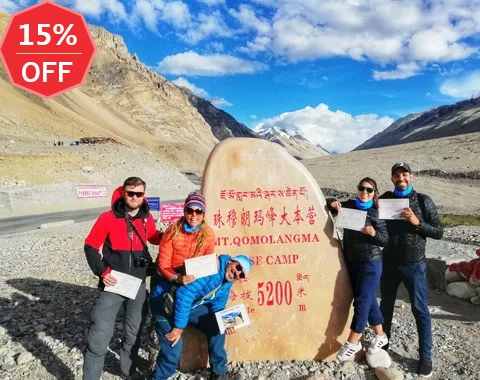
8 Days Driving Across Himalaya Overland Adventure from Kathmandu to Lhasa
Kathmandu - Gyirong - Everest Base Camp - Tingri - Shigatse - Gyantse - Lhasa
USD1019
View Details -
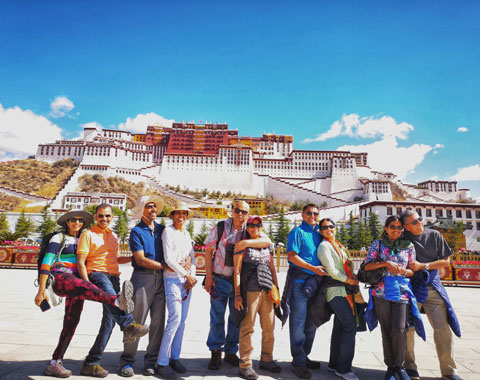
4 Days Lhasa Impression Small Group Tour: Explore the Heart of Tibet and Mingle with the Locals
Lhasa
USD509
View Details -
Lhasa - Gyantse - Shigatse - Everest Base Camp - Gyirong - Kathmandu
USD989
View Details -
Lhasa - Gyantse - Shigatse- Lhasa
USD799
View Details -
Lhasa - Gyantse - Shigatse - EBC - Saga - Darchen - Kailash Trek - Darchen - Saga - Gyirong - Kathmandu
USD2069
View Details
0 Comment ON "Tibetan Daily Life: Discover the Everyday Life in Tibet"


Tibetans Not Only Survive but Thrive on the Harsh and Lofty Tibetan Plateau
What Does a Typical Day in Tibetan Life Look Like? Morning Prayer, Kora, and Beyond
What Is the Daily Life of Tibetans in Cities like Lhasa and Shigatse?
What Is Daily Life Like for Tibetan Nomads?
What Is the Day of Life for Tibetan Farmers in Rural Areas?
What a Typical Day Looks Like for a Tibetan Monk?
How Can You Experience Authentic Tibetan Life with Our Local Experts?