
 Search
.jpg "Tibetan Local Travel Agency")


Tingri to Everest Base Camp Trekking Guide: Routes, Itinerary, Best Seasons & Complete Preparation
Imagine standing at the base of Mount Everest, breathing in the thin, crisp Himalayan air as the world’s tallest peak rises before you. The Tingri to Everest Base Camp trek offers one of Tibet’s most striking and unforgettable high-altitude adventures - combining raw Himalayan landscapes, remote Tibetan culture, and a direct approach to Everest’s magnificent North Face.
This guide provides everything you need to plan the Tingri to EBC trek, including route details, day-to-day itineraries, seasonal recommendations, clothing and gear advice, altitude health tips, and essential travel regulations for trekking safely and comfortably in Tibet.
Content
Overview: What to Expect on the Tingri to Everest Base Camp Trek
Classic Tingri to Everest Base Camp Trekking Route (4 - 5 Days Hiking)
Who Is This Trek For? (And Who Should Avoid It?)
Highlights of the Tingri to Everest Base Camp Trek
How to Reach the Trek Starting Point: Lhasa → Tingri → Everest Base Camp
Most Recommended Itinerary: 10-Day Lhasa to Tingri to Everest Base Camp Trek
Trek Difficulty: Is the Tingri to Everest Base Camp Trek Hard?
Altitude on the Tingri to Everest Base Camp Trek: AMS Risks & Prevention Tips
Best Time for the Tingri to EBC Trek (Weather, Visibility & Temperature Guide)
Tingri to Everest Base Camp Trek Cost: How Much Should You Budget?
Accommodation Along the Trekking Route from Tingri to EBC
Packing List for the Tingri to EBC Trek (Essential Gear + Clothing + Trekking Support)
Why Choose Tibet Vista for the Tingri to North Everest Base Camp Trek
Tingri to Everest Base Camp Trek FAQs (Top 9 Questions)
Essential Tips about Wildlife and Animal Safety for Trekking
Overview: What to Expect on the Tingri to Everest Base Camp Trek
The Tingri to Everest Base Camp trek is one of Tibet’s most rewarding high-altitude routes, stretching approximately 70 km across wide Himalayan valleys, ancient villages, and dramatic glacial landscapes.
The entire trek takes place between 4,300 m and 5,200 m, making altitude a constant but manageable challenge for well-acclimatized travelers.
What makes this trek unique?
• Uncrowded wilderness: Compared with Nepal’s busy EBC trail, the Tingri route is remarkably quiet, offering vast open plains and uninterrupted views of the Himalayas.
• Spectacular wildlife: Onagers, Tibetan gazelle, and even the elusive brown bear may appear along the trail.
• Ever-present Himalayan giants: Throughout the journey, you’ll enjoy expanding views of Cho Oyu, Shishapangma, Makalu, and the iconic North Face of Everest.
• Rich cultural encounters: Passing through nomadic settlements and remote villages provides insight into traditional Tibetan life.
Time & Pace
Most trekkers complete the route in 4 full days, walking 15–20 km per day. The trek is non-technical, but the combination of long distances and thin air demands steady pacing and good fitness.
Who is it suitable for?
This trek is ideal for adventurous travelers seeking an authentic, remote experience with some prior trekking experience and proper acclimatization.
Quick tip: If you're short on time, consider the shorter trek from Rongbuk Monastery to Everest Base Camp, which is the last part of the Tingri to Everest base camp trek.
This 8km trek can be done in one day and offers an excellent opportunity for photos. It’s ideal for those who wish to see Everest’s majestic north face without the longer trek from Tingri.
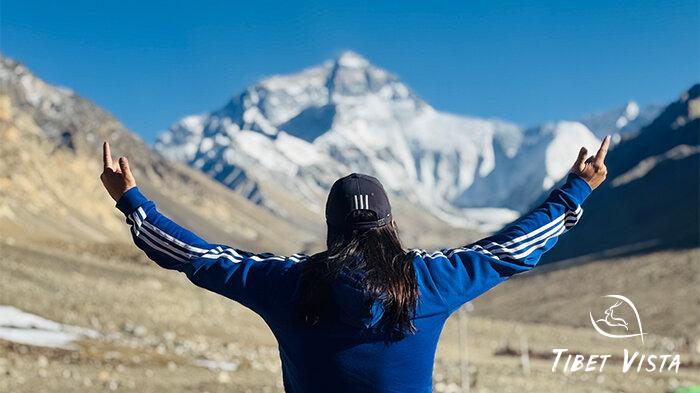 Close-up view of the world’s highest peak from Everest base camp.
Classic Tingri to Everest Base Camp Trekking Route (4 - 5 Days Hiking)
Trekking from Tingri to EBC Brief
• Route: Tingri to Everest Base Camp
• Duration: 4 - 5 Days
• Distance: 70 km
• Accommodation: Camping or guesthouses
• Difficulty: Medium to difficult
• Highest Point: Everest Base Camp (5200m)
• Permits Required: Tibet Travel Permit & Alien’s Travel Permit
• Guided Tour: Essential
• Food: Self-sufficient or guesthouses along the way
Day 1: Old Tingri → Lungthang (13–15 km)
Elevation: 4,300 m → 4,500 m
Highlights include:
• Crossing Ra-chu Valley
• Meadow landscapes and nomadic shelters
• Cho Oyu’s snowy slopes appearing in the distance
• Camping or staying with herders in Lungthang
Day 2: Lungthang → Lamna La (18–20 km)
Elevation: 4,500 m → 5,150 m → 4,700 m
This is the most challenging day.
Highlights:
A strenuous ascent to Lamna La Pass (5,150 m)
Panoramic views of Everest, Makalu, Cho Oyu & Shishapangma
Descend to Zhaxizong or Basum village for hot meals & simple beds.
Day 3: Lamna La Region → Zommug (20 km)
Elevation: ~4,700 m
A gentler day through ridgelines and open farmland.
You’ll enjoy:
Mountain views framed by barren fields
Close-up scenes of yak herding culture
Arrival at Zommug, the last inhabited village before Rongbuk.
Day 4: Zommug → Rongbuk Monastery → Everest Base Camp (15 km)
Elevation: 4,700 m → 5,200 m
A memorable final day.
Highlights:
First clear view of Everest’s full North Face
Walk along Rongbuk Glacier Valley
Explore Rongbuk Monastery (4,980 m), the world’s highest monastery
Continue to EBC (5,200 m) for sunset or sunrise views.
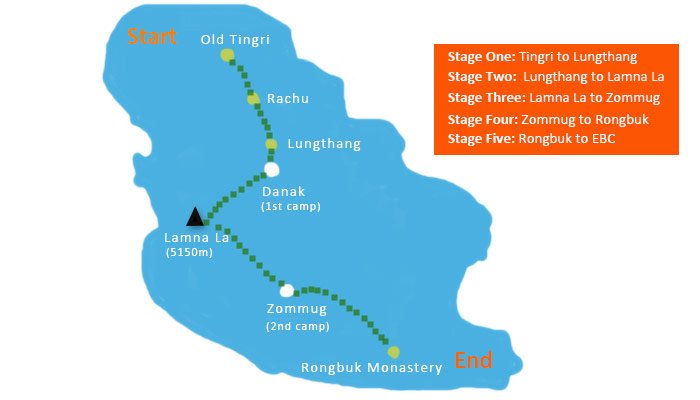 Everest Base Camp trekking map from Tingri.
Who Is This Trek For? (And Who Should Avoid It?)
As one of the top 10 trekking routes in Tibet, the Tingri to Everest Base Camp trek is ideal for travelers who want a remote, high-altitude adventure with spectacular Himalayan scenery. Although the trek is not technical, the elevation and long daily distances require good fitness, patience, and proper acclimatization.
Who it’s Ideal For
• Experienced trekkers who are comfortable hiking several consecutive days in remote environments
• Adventurous travelers seeking untouched landscapes and minimal crowds
• Hikers with prior high-altitude experience, ideally above 3,500–4,000 m
• Travelers who enjoy rustic and culturally immersive journeys
• Those looking for a shorter, direct approach to EBC compared with Nepal’s long south-side trek
Who Should Avoid It
• Travelers with serious heart, lung, or circulation conditions
• People very sensitive to cold or high altitude, or with a history of severe AMS
• Complete beginners with no prior trekking experience
• Those expecting hotel-style accommodations (the trek offers only basic guesthouses or camping)
• Travelers uncomfortable with 6–8 hours of hiking per day in thin air
Summary Recommendation
With proper acclimatization and realistic expectations, most reasonably fit travelers can complete the Tingri to EBC trek successfully. However, individuals with medical limitations or insufficient physical preparation should consider alternative routes, such as the shorter Rongbuk to EBC day hike.
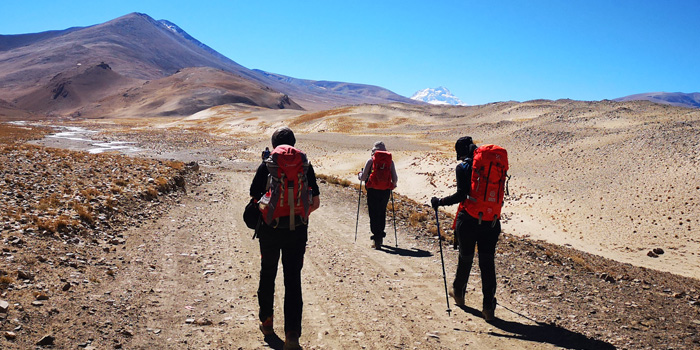

Join our best Everest trekking tour from Tingri to Everest Base Camp to uncover the beauty of Mount Everest.
Highlights of the Tingri to Everest Base Camp Trek
The Tingri to EBC trek is filled with unique cultural encounters, dramatic Himalayan scenery, and meaningful moments that you won’t find on any other route to Everest. Here are some of the most memorable highlights along the way:
1. Basum Primary School - One of the World’s Highest Schools
At around 4,700 meters, Basum Primary School is among the highest-altitude schools in the world. Located in Tingri County, it offers students daily views of Mount Everest during their morning flag-raising ceremony.
Travelers often stop here briefly, and thoughtful gifts such as pencils, notebooks, or sports items are greatly appreciated.
2. Rongbuk Monastery - The Highest Monastery on Earth
Nestled at 4,980 meters, Rongbuk Monastery sits directly beneath Everest’s North Face and offers one of the most iconic views of the mountain.
As the spiritual gateway to the northern route of Everest, it has long served as a meditation site for monks, nuns, and mountaineers preparing for expeditions. Its quiet atmosphere and dramatic backdrop make it a powerful stop for both cultural and natural experience seekers..
3. Mount Everest - The Ultimate Himalayan Destination
Standing at 8,848 meters, Mount Everest (Qomolangma in Tibetan) dominates the skyline throughout the trek.
From Tingri to Rongbuk and finally at Everest base camp, you’ll have progressively closer and clearer views of its towering North Face - widely considered one of the most photogenic angles of Everest.
Fun Fact: Everest’s summit was part of the 2008 Olympic torch relay, symbolizing global ambition and unity.
4. A Close-Up Encounter with Everest’s North Face
The North Face of Everest rises abruptly from the Tibetan Plateau, offering a dramatic and unobstructed perspective seen by fewer travelers than the Nepal-side route. As you approach EBC, the changing angles of light - sunrise, sunset, and starry night skies - create unforgettable viewing moments.
5. Remote Villages & Nomadic Culture
From Lungthang to Zommug, you’ll pass traditional Tibetan villages, herders’ camps, and wide grasslands dotted with yaks and sheep. These simple communities provide insight into local life on the plateau and offer some of the trek’s most authentic cultural interactions.
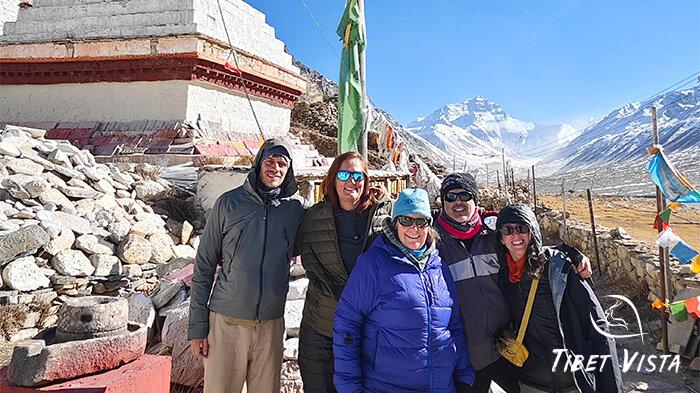 Stunning views of Mount Everest from Rongbuk monastery.
How to Reach the Trek Starting Point: Lhasa → Tingri → Everest Base Camp
Reaching the Tingri trailhead requires traveling overland from Lhasa through some of Tibet’s most scenic and culturally rich regions. Below is a clear breakdown of how to get from Lhasa to Tingri, and how to continue your journey after completing the trek.
Lhasa to Tingri
There are no public buses running directly from Lhasa to Tingri. Travelers typically reach Tingri via private vehicle, 4WD, or an organized tour.
Most Scenic Route (Recommended)
Lhasa → Yamdrok Lake → Gyantse → Shigatse → Tingri
Along the way, you can expect:
• Yamdrok Lake – one of Tibet’s three sacred lakes, known for its turquoise waters
• Gyantse – home to the Gyantse Kumbum, a historic multi-tiered stupa
• Shigatse – Tibet’s second-largest city and seat of the Tashilhunpo Monastery
This gradual ascent not only offers beautiful landscapes but also provides important altitude acclimatization before starting the trek.
Tingri → Everest Base Camp
After hiking to the highest mountain in the world, you can get to Lhasa or Kathmandu for your home flight or continuing tour. But most travelers to Tibet prefer continuing their trip to Gyirong and then to Kathmandu, capital of Nepal.
Everest Base Camp → Lhasa or Kathmandu
After completing your trek, you can return to Lhasa or continue westward toward Nepal.
Option 1: Return to Lhasa
• Drive back from EBC to Tingri
• Continue via Shigatse to Lhasa
• This option is ideal for travelers catching a flight from Lhasa or extending their trip within Tibet
Option 2: Continue to Kathmandu (Popular Choice)
Many travelers prefer enjoying a Tibet-Nepal tour after the hiking.
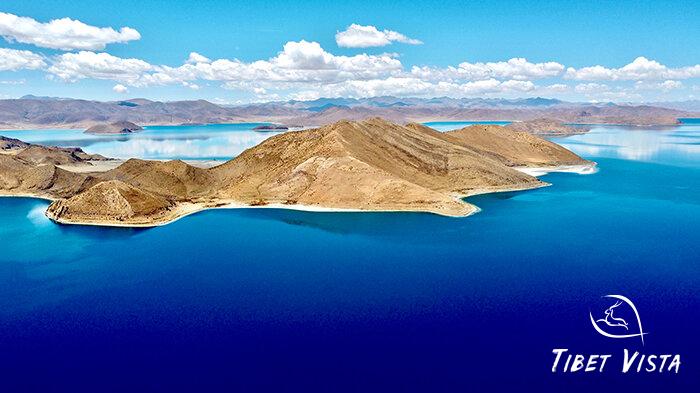 The stunning view of Yamdrok lake from Lhasa to Tingri.
Most Recommended Itinerary: 10-Day Lhasa to Tingri to Everest Base Camp Trek
This 10-day Tingri–Everest Base Camp trekking itinerary blends cultural exploration, scenic overland travel, and a classic multi-day trek, offering one of the most complete ways to experience Tibet’s landscapes and high-altitude trekking routes.
You’ll begin with the historic heart of Lhasa, travel across some of Tibet’s most iconic highways, and finish with an unforgettable approach to Everest’s North Face.
Days 1–2: Lhasa – Cultural Immersion & Acclimatization
Your journey begins in Lhasa, where you’ll spend two days exploring Tibet’s most renowned UNESCO World Heritage Sites, including the Potala Palace and Jokhang Temple. These early days offer deep insight into Tibetan Buddhism and history, while also giving your body valuable time to adjust to Lhasa’s 3,650 m elevation.
Days 3–4: Lhasa → Gyantse → Shigatse – Scenic Overland Journey
After Lhasa tour, you head southwest along one of Tibet’s most picturesque routes. Highlights include:
• The turquoise sweep of Yamdrok Lake
• The ancient fortress town of Gyantse, known for the Gyantse Kumbum
•Tashilhunpo Monastery in Shigatse, seat of the Panchen Lama.
This overland section blends dramatic scenery with rich cultural stops, gradually preparing you for the higher elevations ahead.
Days 5–8: The 4-Day Tingri to Everest Base Camp Trek
The heart of the itinerary is the classic Tingri → EBC trek, one of the best-known trekking routes on the Tibetan Plateau. Over four days, you will:
• Cross sweeping Himalayan valleys
• Walk through remote nomadic settlements
• Ascend the Lamna-la Pass (5,200 m)
• Watch Everest grow closer and clearer each day
These trekking days offer vast mountain panoramas and a welcomed sense of solitude far from crowded trails.
Days 9–10: EBC →Shigatse→Lhasa
Your final approach brings you to Rongbuk Monastery (4,980 m), the highest monastery in the world and a spectacular viewpoint for Everest from Everest base camp. After visiting EBC, you’ll either return to Lhasa or continue toward the Nepal border, depending on your travel plan.
A Small-Group Trek Designed for Safety and Comfort
This itinerary is operated as a Tibet small group tour with around 12 participants, ensuring a friendly, supportive environment. You’ll travel with like-minded adventurers from around the world and benefit from:
• Professional Tibetan guides
• Reliable vehicles and logistics
• Full trekking support and safety-first planning
Together, these features create a well-rounded, cost-effective, and meaningful journey to the world’s highest mountain. This 10-day itinerary balances cultural discovery, high-altitude acclimatization, scenic overland travel, and a classic 4-day trek—offering one of the most complete and rewarding routes to Everest Base Camp.
This 10-day itinerary balances cultural discovery, high-altitude acclimatization, scenic overland travel, and a classic 4-day trek.
Trek Difficulty: Is the Tingri to Everest Base Camp Trek Hard?
The Tingri to EBC trek is considered moderately difficult but becomes challenging due to the high altitude. The physical terrain itself is not extremely technical, but walking long distances above 4,500 meters requires stamina, patience, and steady breathing.
Main Difficulty Factors
• Altitude: The reduced oxygen level makes exertion harder.
• Weather: Temperatures fluctuate and wind can be strong.
• Long trekking days: Some days involve 6–8 hours of walking.
• Accommodation and facilities: Rustic accommodations require adaptability.
• Steep ascent to Lamna La Pass: The steepest section of the trek.
Training Recommendations
• Regular cardiovascular exercise: hiking, jogging, or cycling.
• Stair or hill climbing with a backpack.
• Long walks on uneven terrain to simulate trekking conditions.
• Focus on building endurance rather than speed.
Can Beginners Complete This Trek?
Yes - beginners with good fitness, proper preparation, and adequate acclimatization can successfully complete the trek. However, those with no trekking background or limited endurance should train beforehand and consider the easier Rongbuk to EBC day hike as an alternative.
Difficulty Summary
Non-technical but physically demanding, the Tingri to EBC trek requires solid endurance, steady pacing, and good altitude adaptation. With appropriate preparation and guidance, most fit travelers can complete it safely.
Altitude on the Tingri to Everest Base Camp Trek: AMS Risks & Prevention Tips
Altitude is the most important factor to consider on the Tingri to Everest Base Camp trek. The entire route remains above 4,300 meters, with extended exposure to extreme elevation and a high point of 5,150 meters at Lamna La Pass. Proper acclimatization and awareness of the altitude sickness are essential for a safe journey.
Altitude Profile Highlights
• Lhasa: 3,650 m
• Shigatse: 3,900 m
• Old Tingri: 4,300 m
• Lamna La Pass: 5,150 m
• Everest Base Camp: 5,200 m
This gradual increase in altitude - especially the nights spent in Lhasa and Shigatse—is crucial for safe acclimatization.
Common AMS Symptoms
• Persistent headache
• Loss of appetite
• Insomnia
• Shortness of breath
• Fatigue
• Nausea or dizziness
These symptoms can range from mild to severe, and should never be ignored.
Prevention Tips
• Spend at least two days acclimatizing in Lhasa.
• Ascend slowly, allowing your body time to adjust.
• Avoid alcohol and smoking during the trek.
• Drink 3 to 4 liters of water per day.
• Eat enough calories to maintain energy.
• Consider taking Diamox under medical advice.
• Sleep warm and avoid overexertion.
When to Stop and Seek Help (Essential Safety Guidance)
You must stop ascending immediately and inform your guide if you experience:
• Worsening headache despite rest
• Vomiting
• Loss of coordination or difficulty walking
• Confusion or altered behavior
• Severe shortness of breath at rest
These may indicate severe AMS, HAPE, or HACE - conditions that require immediate descent and medical attention.
Role of Your Guide
Your Tibetan guide monitors acclimatization throughout the trek and may adjust the pace, modify the itinerary, or organize a descent if necessary. Safety always takes priority over reaching Everest Base Camp.
Altitude Summary
The Tingri to EBC trek involves sustained high elevation. Proper acclimatization, hydration, pacing, and early recognition of AMS symptoms are essential for completing the trek safely.
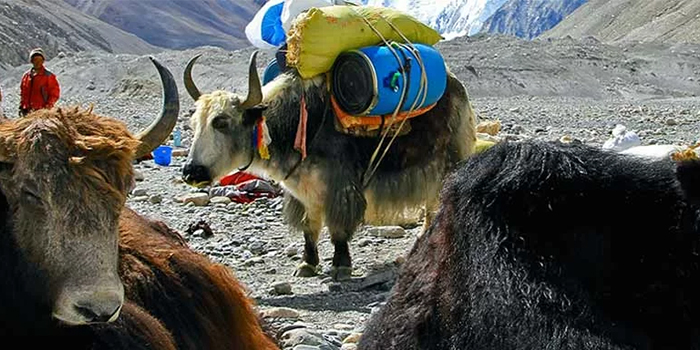
Join our classic 12 days Everest base camp trekking tour via Ra-chu Valley.
Best Time for the Tingri to EBC Trek (Weather, Visibility & Temperature Guide)
The best seasons for the Tingri to Everest Base Camp trek are spring (April–June) and autumn (September–October). During these months, temperatures are milder, visibility is excellent, and the weather is generally stable - ideal conditions for both trekking and photography.
- Click here to see the best time for trekking in Tibet
Spring: April to June - Clear Skies & Comfortable Temperatures
Recommended for: Best mountain visibility & comfortable trekking weather
• Temperature: –2°C to 15°C
• Clear skies with minimal rainfall
• Excellent views of Everest and the Himalayan range
• Wildflowers begin to bloom in lower areas
Spring marks the beginning of the trekking season and offers some of the year’s most reliable weather.
Summer: July to August - Monsoon Season (Less Ideal for Trekking)
Recommended for: Regular EBC tours, not long-distance trekking
• Temperature: 8°C to 23°C
• Higher precipitation, cloudy skies
• Increased risk of landslides on certain roads
• Alpine meadows turn green and vibrant
Although trekking is more difficult due to unstable weather, this season is beautiful for sightseeing tours by vehicle.
- Click here to see the details of visiting Tibet in rainy season
Autumn: September to October - Peak Trekking Season
Recommended for: The clearest views of Everest all year
• Temperature: –1°C to 19°C
• Dry, stable weather with crisp mountain air
• Stunning Himalayan views, ideal for photography
• Excellent conditions for both camping and trekking
Autumn is considered the very best time for the Tingri to EBC trek.
Winter: November to March - Too Cold & Risky for Trekking
Not recommended for trekking
• Temperature: –15°C to 14°C
• Extremely cold nights and strong winds
• Heavy snow can block passes and trails
• EBC area becomes harsh and uncomfortable for extended trekking
EBC Weather Summary Table
| Season | Max Temp | Min Temp | Clear Days | Rainfall |
| April to June (Spring) | 15°C | -2°C | 29 | 16mm |
| July to August (Summer) | 23°C | 8°C | 26 | 83mm |
| September to October (Autumn) | 19°C | -1°C | 29 | 7mm |
| November to March (Winter) | 14°C | -15°C | 29 | 4mm |
Seasonal Summary
Best overall: April–June & September–October
Best visibility: September–October
Warmest days: July–August
Not suitable for trekking: November–March
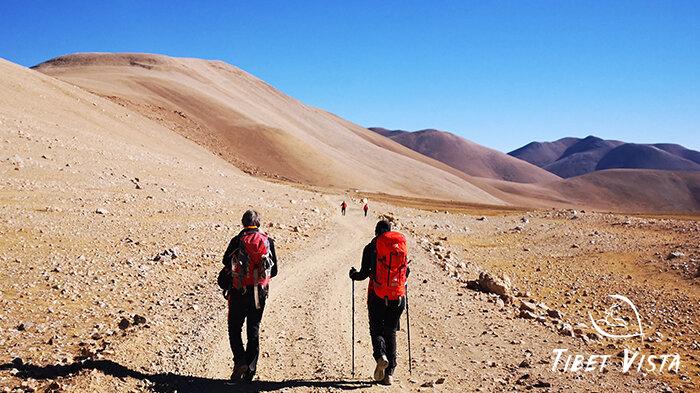 Spring and autumn provide great window to trek in Tibet with nice weather and clear days.
Tingri to Everest Base Camp Trek Cost: How Much Should You Budget?
Trekking in Tibet requires joining an authorized local travel agency, as independent travel is not permitted. Because of the region’s remote geography and strict logistics, the Tingri to EBC trek typically costs more than similar treks in Nepal.
Average Cost Range
Most travelers can expect to pay USD 1,780–2,000 per person for a complete Tingri to Everest Base Camp trekking package.
This price varies depending on the season, group size, accommodation style, and whether you join a small-group tour or a private trek.
What’s Typically Included
• Tibet Travel Permit and other required permits
• Professional Tibetan guide
• Private driver and vehicle
• Hotels in Lhasa and Shigatse
• Guesthouses or campsites during the trek
• Everest National Park entrance fees
• All transportation during the trip
• Travel insurance (required)
These inclusions reflect the mandatory logistics and regulated environment of travel in Tibet.
Additional Costs
• Sleeping bag rental or purchase
• Tips to guide and driver
• Personal snacks or drinks
• Souvenirs
• Personal medical supplies
Why the Cost Is Higher Than Nepal
Tibet’s remote high-altitude environment means:
• Supplies must be transported long distances
• Accommodation and transport infrastructure are limited
• Permits and regulated logistics increase operational requirements
• Licensed guides and drivers are mandatory under regional travel regulations
Despite the higher cost compared to Nepal, the experience offers unmatched cultural immersion, dramatic scenery, and a quieter, more remote approach to Mount Everest.
Cost Summary
Estimated budget: USD 1,780–2,000
Includes permits, guide, transport, lodging, park fees, and trek support
Excludes tips, gear rental, and personal expenses.
Required Permits for the Tingri to EBC Trek (Updated List)
Travel in Tibet is regulated, and all foreign travelers must join a licensed Tibet travel agency. Independent trekking is prohibited. Your travel agency will handle all permits on your behalf before your arrival in Tibet.
1. Tibet Travel Permit (TTP)
Required to enter Tibet
Issued by the Tibet Tourism Bureau, this document is needed to board flights or trains to Lhasa. It is arranged by your travel agency based on your passport and Chinese visa details.
2. Aliens’ Travel Permit (ATP)
Required for travel to Shigatse, Tingri, and Everest Base Camp
This permit is issued by the Public Security Bureau (PSB) in Shigatse. Your guide will obtain it once you arrive in Tibet.
How Permit Handling Works
• Your travel agency applies for the TTP in advance (7–15 days before arrival).
• After arriving in Lhasa, your guide will help secure the ATP.
• You must carry these permits at all times during the journey, as they may be checked at various road checkpoints.
Why Are Permits Needed?
Tibet’s high-altitude environments require strict management for traveler safety, environmental protection, and cultural preservation.
This multi-permit system ensures that all visitors travel with authorized guides and vehicles, enhancing safety.
 Tibet travel permit is necessary to enter Tibet for travel.
Accommodation Along the Trekking Route from Tingri to EBC
Due to the remote and high-altitude nature of the Tingri to Everest Base Camp trek, accommodation is basic but sufficient for a multi-day adventure. Options vary by location, ranging from simple guesthouses to tents and monastery lodgings.
1. Overnight in Tingri (Old Tingri)
Trekkers are strongly advised to spend at least one night in Old Tingri (4,300 m) before starting the hike, as this extra acclimatization makes the following days significantly easier.
Accommodation Conditions
• Basic guesthouses only
• Simple but adequate for resting before the trek
Recommended option: Snow Leopard Guesthouse — one of the better choices in Old Tingri, though still very basic.
Note: Old Tingri is different from New Tingri (Shegar). Old Tingri is closer to the trekking start point but offers more rustic lodging.
2. Overnight at Everest Base Camp Area (Rongbuk & EBC)
Rongbuk Monastery Guesthouse
Rongbuk Monastery (4,980 m) operates a simple, clean guesthouse that provides basic meals and warm communal rooms, including private bathrooms, oxygen supply and heating systems.
This is the closest year-round accommodation and also the best to Everest Base Camp.
Tent Guesthouses (Seasonal)
During the peak season (typically May–October), additional tent guesthouses operate near the monastery area. These offer simple bedding, hot water bottles, and communal dining spaces.
Important: There are no luxury hotels at EBC. All accommodations in the region are affected by extreme altitude, cold temperatures, and limited infrastructure.
3. Camping During the Trek
While the Tingri to EBC route does pass through several small villages offering basic guesthouses, many trekkers choose to camp for part of the journey.
Camping Highlights
• Choose scenic open areas near nomadic sites
• Build a small bonfire where permitted
• Enjoy hot meals, star-filled skies, and peaceful Himalayan nights
Camping Practicalities
• You will need tents, a sleeping bag, and simple cooking equipment
• Guides and herders often assist with camp setup
• Weather can be cold and windy, especially at night
• Yak herders may accompany you for carrying gear
Camping brings flexibility and immersion but requires adequate warmth and preparation.
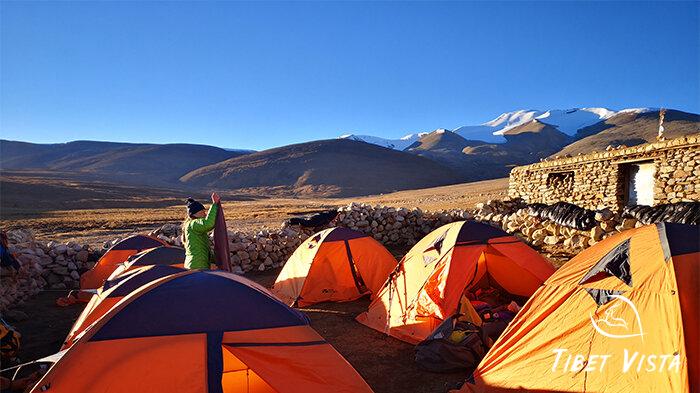 You can also camp during the trek from Tingri to Everest base Camp.
Packing List for the Tingri to EBC Trek (Essential Gear + Clothing + Trekking Support)
Trekking from Tingri to Everest Base Camp requires proper preparation for high-altitude weather, rugged terrain, and basic accommodations. Below is a clear and practical packing list to help you stay comfortable and safe throughout the journey.
- Click here to see the ultimate packing list for trekking to Everest base camp
1. Clothing for High-Altitude Trekking
Temperatures on the Tibetan Plateau fluctuate dramatically, and strong winds can occur at any time. A proper layering system is essential.
Recommended Clothing Layers
Base Layer (Warm & Quick-Dry)
• Thermal tops and bottoms (merino wool or synthetic)
• Avoid cotton - it retains moisture and increases heat loss
Mid Layer (Insulation)
• Fleece jacket or lightweight down jacket
• Warm sweater for cold evenings
Outer Layer (Windproof & Waterproof)
• Windproof jacket with hood
• Waterproof shell pants
Trekking Pants & Shirts
• Quick-dry trekking pants
• Long-sleeve shirts for sun and wind protection
Accessories
• Warm hat and sun hat
• Neck gaiter or buff
• Lightweight gloves + insulated gloves
• Sunglasses with strong UV protection
Important: Even in summer, nighttime temperatures at EBC can drop below freezing. Warm clothing is required year-round.
Why You Should Avoid Shorts
While daytime temperatures may feel warm, long pants are recommended due to strong UV radiation, cold winds at high passes, and occasional insects in grassy areas.
2. Essential Trekking Gear
Footwear
• Sturdy, waterproof trekking boots (already broken in)
• Warm, breathable trekking socks
• Optional gaiters for snowy or muddy sections
Sleeping & Camping Equipment
• Down sleeping bag rated to –10°C or lower
• Sleeping pad (optional but improves comfort)
• Tent, if choosing to camp
Other Essentials
• Trekking poles for stability
• Headlamp with spare batteries
• High SPF sunscreen & lip balm
• Refillable water bottles or hydration system
• Personal first-aid kit & blister care
• Quick-dry towel
3. Practical Tips for Packing Smart
• Pack light but warm - high altitude requires insulation, not bulk
• Use dry bags or waterproof covers to protect clothing
• Bring enough snacks for long trekking days
• Keep personal essentials easily accessible
• Always pack an extra pair of warm socks
Why Choose Tibet Vista for the Tingri to North Everest Base Camp Trek
Choosing an experienced, safety-focused operator is essential when trekking in one of the world’s highest and most remote regions. With over three decades of professional operation in Tibet, Tibet Vista is one of the region’s most trusted and established travel specialists.
A Proven Leader in Tibet Travel
With 30+ years of experience organizing high-altitude expeditions and cultural tours across Tibet, Tibet Vista has successfully guided tens of thousands of travelers from all over the world. Our team’s deep understanding of local geography, climate patterns, and safety protocols ensures a smooth and rewarding journey.
Experienced & Licensed Tibetan Guides
Tibet Vista has more than 60 professional Tibetan guides, each with over 10 years of experience. They are trained in:
• High-altitude response
• Trekking logistics
• First-aid awareness
• Cultural interpretation
They also know the local communities, seasonal weather, and terrain quirks better than anyone.
Seamless Permit Handling & Logistics
Tibet’s travel regulations require multiple permits for foreign travelers. Tibet Vista manages the entire permit process, including:
• Tibet Travel Permit (TTP)
• Aliens’ Travel Permit (ATP)
Your guide and driver coordinate all transportation, accommodation, and support services—including yaks, porters, and camping arrangements.
Safety-First Itineraries
Our itineraries prioritize:
• Proper altitude acclimatization
• Safe pacing
• Reliable transportation
• Close monitoring of AMS symptoms
This safety-first approach is especially important for high-altitude treks like Tingri to Everest Base Camp.
Small Groups & Personalized Support
Tibet Vista operates small-group departures capped at 12 travelers, ensuring:
• Better guide attention
• Higher comfort
• Shared experience with like-minded adventurers
• Better value compared with Tibet private tours
Private expeditions are also available for travelers seeking a more customized experience.
Transparent Pricing & Clear Communication
From pre-booking inquiries to on-the-ground coordination, our staff responds quickly and clearly, helping you understand every step of the process—permits, routes, packing lists, and safety guidelines.
Why Choose Us: Summary
• 30+ years of professional operation
• 60+ licensed Tibetan guides with 10+ years’ experience
• All permits fully handled
• Safety-first trekking design
• Small-group or private tour options
• Reliable logistics: vehicles, supplies, support staff
• Clear communication and trusted reputation
Trekking with a reputable local operator ensures a safer, smoother, and more meaningful journey to Everest Base Camp.
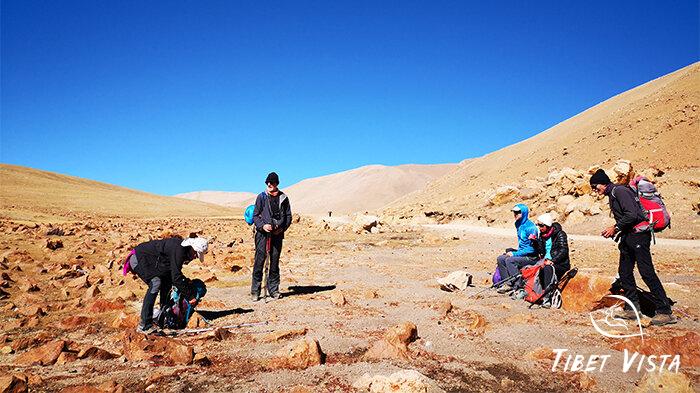 Trekking with Tibet Vista means Safety, comfort, and experience.
Tingri to Everest Base Camp Trek FAQs (Top 9 Questions)
Here are the most common questions travelers ask before completing the Tingri to Everest Base Camp trek. These answers are based on current regulations, local conditions, and practical trekking experience.
1. How cold does it get on the trek?
Temperatures vary greatly depending on the season:
• Daytime: 5–15°C during peak season
• Nighttime: –5°C or lower, even in spring and autumn
• At EBC, temperatures drop more quickly after sunset
Warm layers and a quality sleeping bag are essential.
2. Can beginners complete this trek?
Yes - beginners with good fitness and proper acclimatization can complete the trek. However, the route stays above 4,300 m, so prior hiking experience is helpful. Complete beginners or those unaccustomed to long walking days may find the journey challenging.
3. Do I need travel insurance?
Yes. Travel insurance with high-altitude trekking coverage is required.
4. What food is available during the trek?
Food is simple but filling. Expect:
• Noodles, rice, eggs
• Tibetan bread and simple soups
• Yak meat (available in some villages)
• Instant noodles during camping nights
Bringing your own snacks (nuts, chocolate, energy bars) is recommended.
5. Is electricity available along the route?
Electricity is limited. Some guesthouses may offer charging, but power outages are common. Carrying a power bank or solar charger is advised.
6. Can I trek independently?
No. Independent trekking in Tibet is strictly prohibited.
Foreign travelers must join an authorized travel agency, which provides:
• Required permits
• Licensed guide
• Registered vehicle
• Safety monitoring.
7. What are the toilets like during the trek?
Toilet facilities are basic:
• Pit toilets in villages and guesthouses
• Outdoor/field toilets during camping nights
Bring toilet paper and hand sanitizer.
8. Will I see Mount Everest clearly?
Yes - weather permitting.
The North Face of Everest offers some of the most dramatic views, especially:
• Early morning (sunrise)
• Late evening (sunset)
• Clear nights with stars and the Milky Way
9. How physically demanding is the trek?
Expect 6–8 hours of walking per day, often at altitudes above 4,500 m. The steep ascent to Lamna La Pass (5,150 m) is the most demanding section.
Essential Tips about Wildlife and Animal Safety for Trekking
Tibet’s high-altitude wilderness is home to a wide range of wildlife species, some of which are rare and protected. While encounters are usually peaceful, trekkers should follow basic safety guidelines to ensure respectful and responsible interaction with the environment.
1. Wildlife Safety: Keep a Respectful Distance
During the trek, you may see Tibetan antelope, gazelles, marmots, wild donkeys, or even - though rarely - the Tibetan brown bear.
To stay safe:
• Maintain a safe and legal distance from all wildlife
• Never feed or approach animals
• Keep food securely packed, especially when camping
• Observe quietly to avoid disturbing natural behavior
Your Tibetan guide will advise when to stop, move away, or change direction if animals are nearby.
Tip: Wildlife activity is often higher during early morning and late afternoon.
2. Insect Precautions
Insects can occasionally be an issue near grassy or wet areas.
Recommended precautions:
• Wear long pants instead of shorts
• Apply insect repellent on legs and exposed skin
• Carry anti-itch or antihistamine cream in case of bites
3. Safety Around Tibetan Mastiffs (Important)
Tibetan mastiffs are commonly kept by families in rural and pastoral areas for guarding livestock and property.
Safety guidelines:
• Keep a good distance from any dog, especially near villages or tents
• Do not attempt to pet, feed, or approach mastiffs
• Move slowly and confidently; avoid sudden movements
• Walk with your guide when passing through herding areas
Most dogs will not act aggressively unless provoked or startled, but caution is essential.
4. Camping Safety with Animals
If camping during the trek:
• Store food in sealed bags away from tents
• Do not leave trash outside
• Follow the guide’s instructions on where to set up camp
• Use headlamps at night to stay aware of surroundings
This helps minimize wildlife disturbance and keeps both trekkers and animals safe.
Conclusion: Walking Toward the Top of the World
The Tingri to Everest Base Camp trek offers one of the most extraordinary high-altitude trekking experiences anywhere on earth. From sweeping Himalayan valleys and remote nomadic settlements to the unforgettable moment when Everest’s North Face rises before you, every step of the journey brings a new sense of awe and accomplishment.
Trekking across the Tibetan Plateau is more than a physical challenge, it is a profound encounter with culture, nature, and the world’s highest mountain. Whether you come for the landscapes, the spiritual atmosphere, or the desire to stand at the base of Mount Everest, this route offers memories that will last a lifetime.
If you're ready to begin planning your trek or want expert advice on routes, permits, or trip preparation, contact us to help you design a safe, memorable, and well-supported journey to Everest Base Camp.
Born in the Kham region and growing up in Lhasa, Lobsang Tsering has been credited by many travelers as a versatile, professional, and charismatic Tibetan guide. He is also one of the most experienced Tibetan guides in our big family.
Nowadays, Lobsang has dedicated himself to creating bite-sized Tibet travel videos and writing insightful travel articles for global travelers planning to visit Tibet.
 Email me about your travel idea
Related Articles & Posts

Most Popular Tibet Tour Packages
-
Lhasa - Gyantse - Shigatse - Everest Base Camp - Shigatse - Lhasa
USD949
View Details -
Lhasa - Gyantse - Shigatse - E.B.C - Saga - Kailash Trek - Darchen - Lake Manasarovar - Saga - Gyirong - Tingri - Lhasa
USD2069
View Details -
10 Days Lhasa to Everest Base Camp, Namtso Lake and Holy Elephant Gate Small Group Tour
Lhasa - Gyantse - Shigatse - EBC - Shigatse - North Tibet Grassland - Bange - Namtso Lake - Holy Elephant Gate - Lhasa
USD1299
View Details -
8 Days Driving Across Himalaya Overland Adventure from Kathmandu to Lhasa
Kathmandu - Gyirong - Everest Base Camp - Tingri - Shigatse - Gyantse - Lhasa
USD1019
View Details -
4 Days Lhasa Impression Small Group Tour: Explore the Heart of Tibet and Mingle with the Locals
Lhasa
USD509
View Details -
Lhasa - Gyantse - Shigatse - Everest Base Camp - Gyirong - Kathmandu
USD989
View Details -
Lhasa - Gyantse - Shigatse- Lhasa
USD799
View Details -
Lhasa - Gyantse - Shigatse - EBC - Saga - Darchen - Kailash Trek - Darchen - Saga - Gyirong - Kathmandu
USD2069
View Details
0 Comment ON "Tingri to Everest Base Camp Trekking Guide: Routes, Itinerary, Best Seasons & Complete Preparation"


Overview: What to Expect on the Tingri to Everest Base Camp Trek
Classic Tingri to Everest Base Camp Trekking Route (4 - 5 Days Hiking)
Who Is This Trek For? (And Who Should Avoid It?)
Highlights of the Tingri to Everest Base Camp Trek
How to Reach the Trek Starting Point: Lhasa → Tingri → Everest Base Camp
Most Recommended Itinerary: 10-Day Lhasa to Tingri to Everest Base Camp Trek
Trek Difficulty: Is the Tingri to Everest Base Camp Trek Hard?
Altitude on the Tingri to Everest Base Camp Trek: AMS Risks & Prevention Tips
Best Time for the Tingri to EBC Trek (Weather, Visibility & Temperature Guide)
Tingri to Everest Base Camp Trek Cost: How Much Should You Budget?
Accommodation Along the Trekking Route from Tingri to EBC
Packing List for the Tingri to EBC Trek (Essential Gear + Clothing + Trekking Support)
Why Choose Tibet Vista for the Tingri to North Everest Base Camp Trek
Tingri to Everest Base Camp Trek FAQs (Top 9 Questions)
Essential Tips about Wildlife and Animal Safety for Trekking