While many people prefer to visit Tibet in the summer season, when the weather is warmer and the landscape is lush and green, there are those that love to see the winter scenery on the world’s highest plateau.
Winter in Tibet is an astounding time of year when the plateau region comes into a new aspect of its truly innate beauty. Lakes freeze over and produce stunning patterns in the ice, while the highest mountains of the Himalayas get more than a light coating of snow on their high peaks and slopes. Skies are clear and the sun is bright and warm, despite it being the coldest time of year in Tibet.
Here we show you what our recent travelers to Tibet experienced with their winter tours, so you can understand the beauty of this amazing place. So get ready for your own winter tour of Tibet…
Quicker to Get Tibet Permit
 Our Tibetan guide received his tour guests at the Gyirong border
One of the best reasons for traveling in Tibet in the winter is the fact that obtaining the Tibet Travel Permit can be a lot easier and quicker. In the peak months, there are so many applications for permits to get into Tibet that processing can sometimes take up to 10 days. In the winter, with fewer permit applications to process, the Tibet Tourism Bureau (TTB) can manage to process the applications much quicker. However, with that said, it is still an advantage to book your trip as early as possible, so that everything is guaranteed to be ready for when you arrive.
Received by Local Tibetans with the Great Hospitality
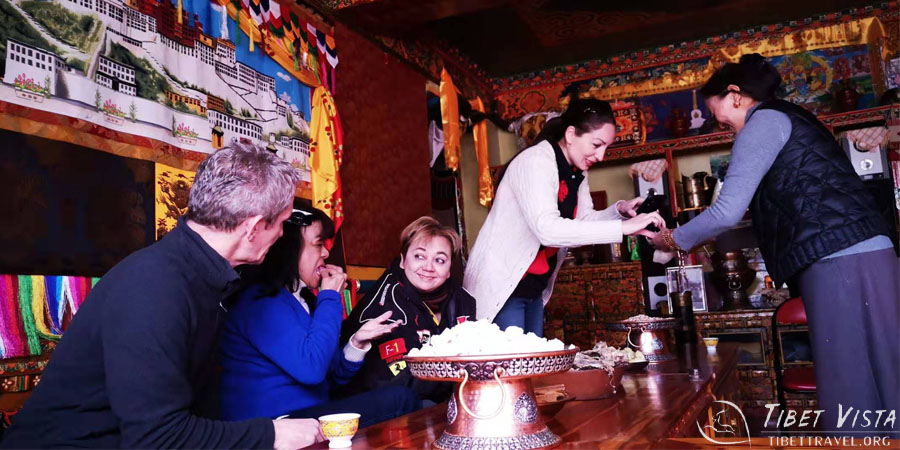 Enjoying home-made Tibetan food in a local family home
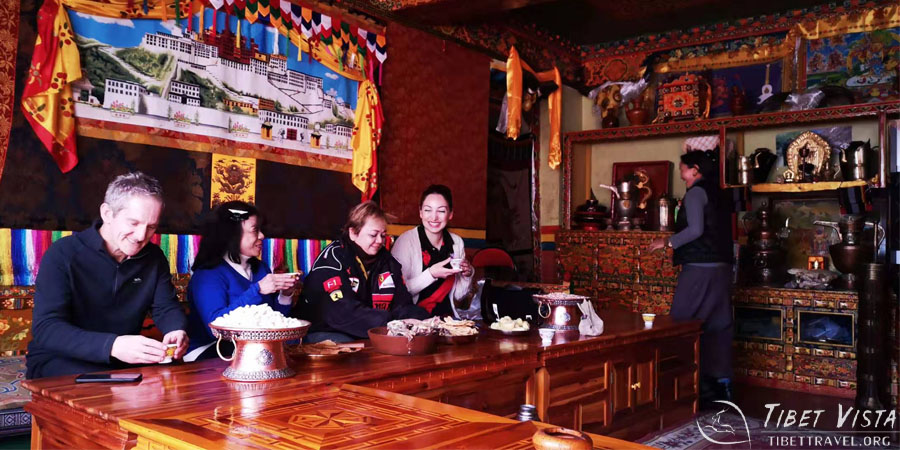
One of the most amazing experiences you can have in Tibet is making a visit to a local Tibetan home. This unique way of getting intimate contact with Tibetan villages and families is one of the best ways to help you understand the unique Tibetan religious culture better. You can spend the night in a Tibetan home, eat dinner with the family, and find out more about their traditional way of life. For visitors traveling to Tibet in winter, this is an exceptional opportunity.
Enjoy Attractions free from the Annoying Tourists
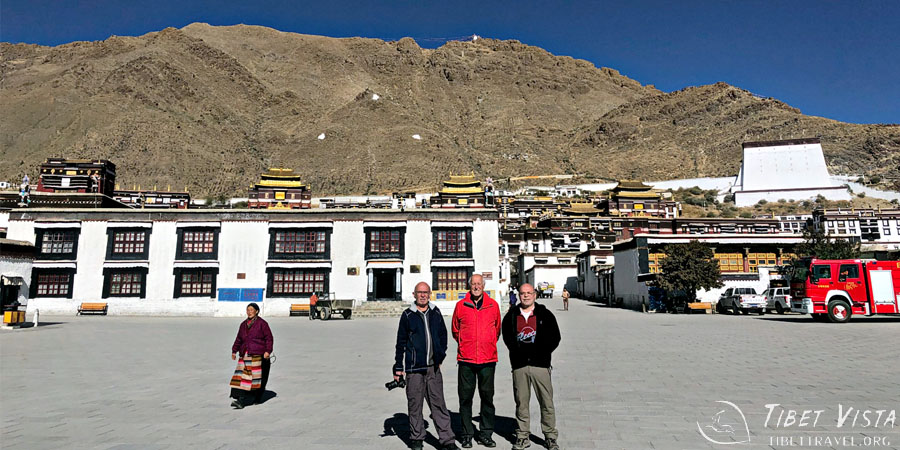 Enjoying the peace and tranquility at the Tashilhunpo Monastery in Shigatse
The Tashilhunpo Monastery in Shigatse is one of the most popular tourist destinations in the city, as the seat of the Panchen Lama, Tibet’s second highest religious incarnation. However, with fewer tourists in the winter months, you will have more space for those important selfies, and for exploring the monastery without the huge crowds of summer.
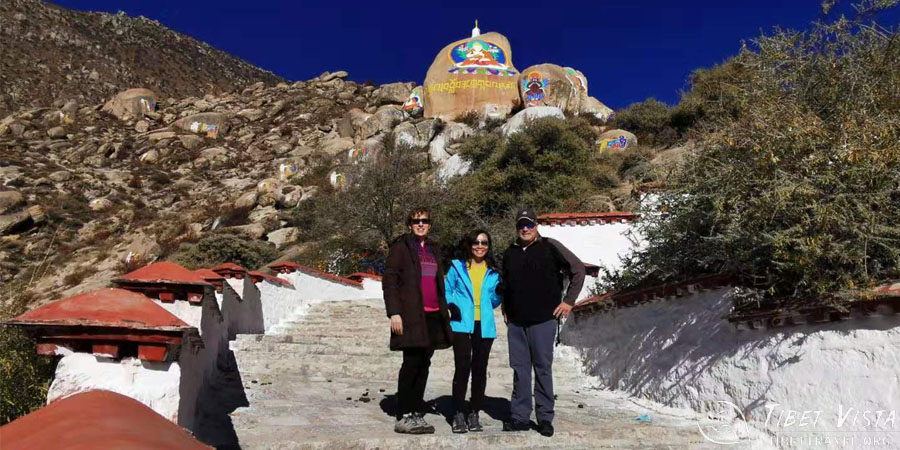 Taking a breather on the climb around Drepung Monastery in Lhasa
As with most popular tourist attractions in Tibet, winter means fewer visitors for very popular places like the Drepung Monastery in Lhasa. Once the seat of the Dalai Lama, the monastery is usually packed with visitors, both foreign and domestic, and the stairs of the kora around the monastery can get a little crowded in summer. Winter allows you to relax more and take it easy, without people pushing past all the time. Much better for those important selfie moments.
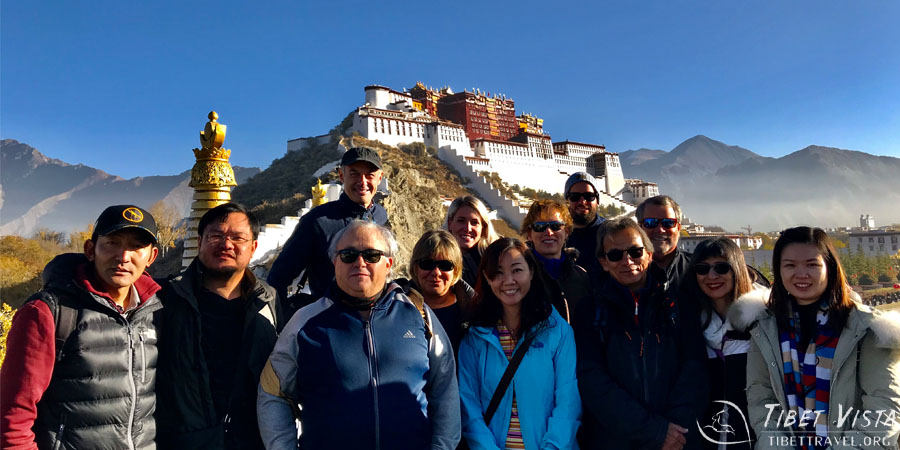 Getting a great photos of the holy Potala Palace
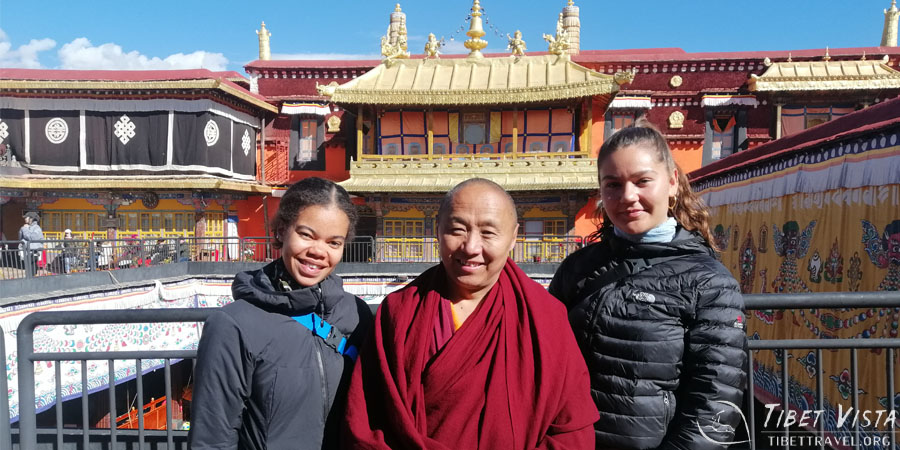 Visit Jokhang Temple in winter
Incredible visibility and Heavenly Plateau for Photographers
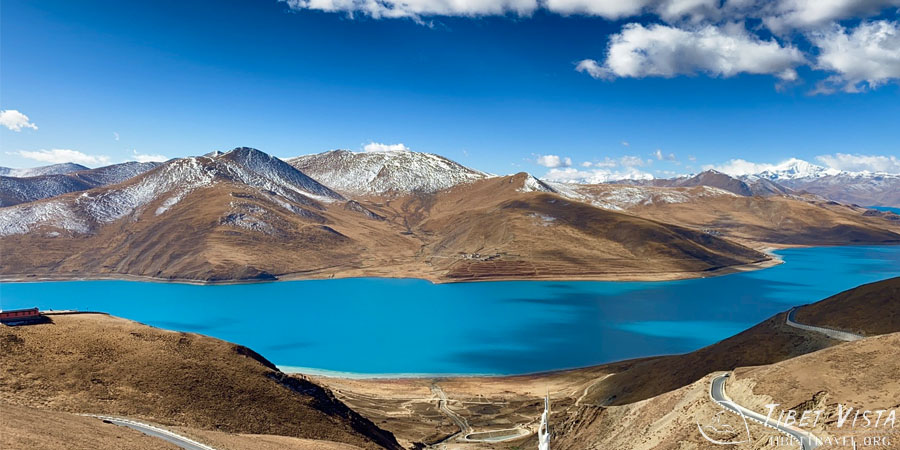 The stunning beauty of Lake Yamdrok in Winter
Another great aspect of the winter tour is the visibility and clarity you get from the drier, crisper weather. This makes the winter season one of the best times for photographers visiting the plateau.
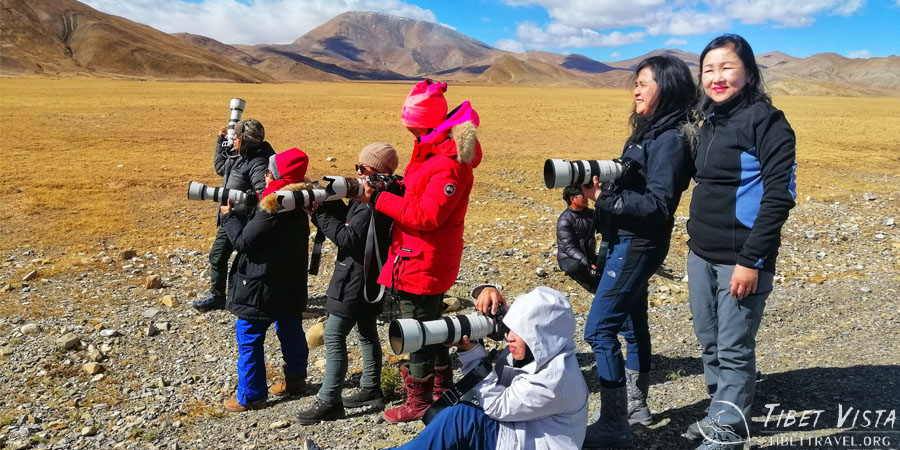 Getting some great photos of the mountains in Ngari in western Tibet
No matter where you go in the winter, you will find clear skies and a crisp atmosphere that enhances the photogenic aspects of the plateau landscapes.
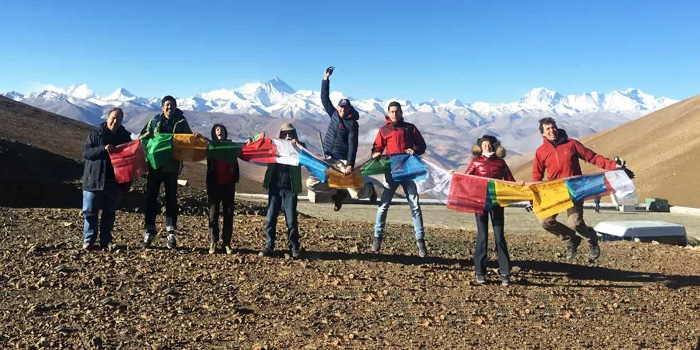
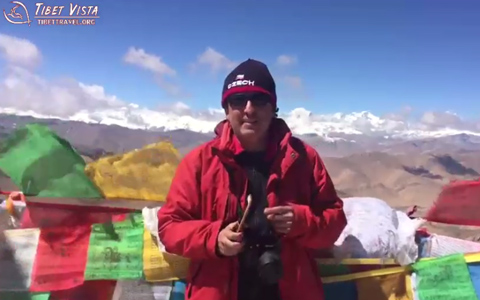
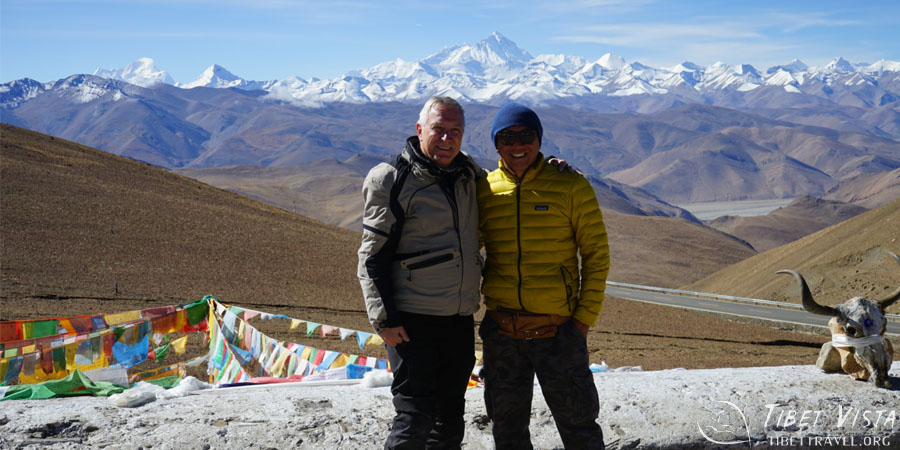 Getting a good shot with the massive Mount Everest in the background at Gawu La Pass (5,198m)
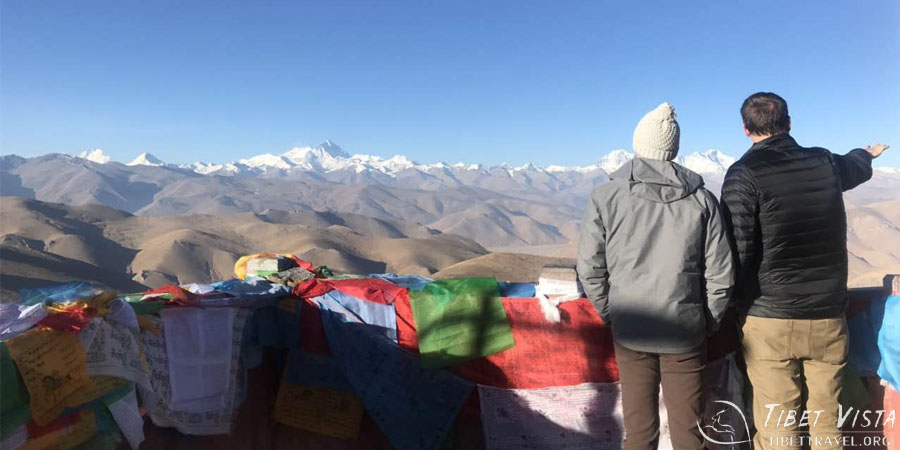
Even distant shots of high mountains become clearer in this clear atmosphere. Getting photos of the panorama of the Himalayas from the passes is made easier and clearer in winter.
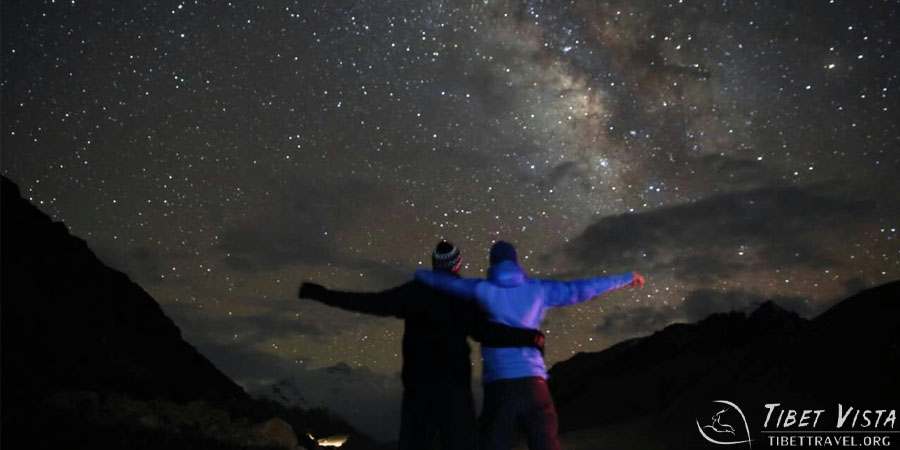 Stargazing on the Milky Way at Everest Base Camp (5,150m)
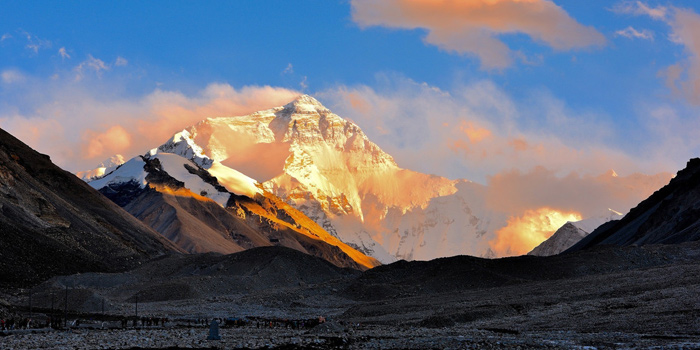
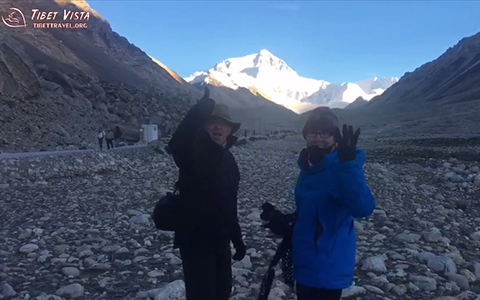
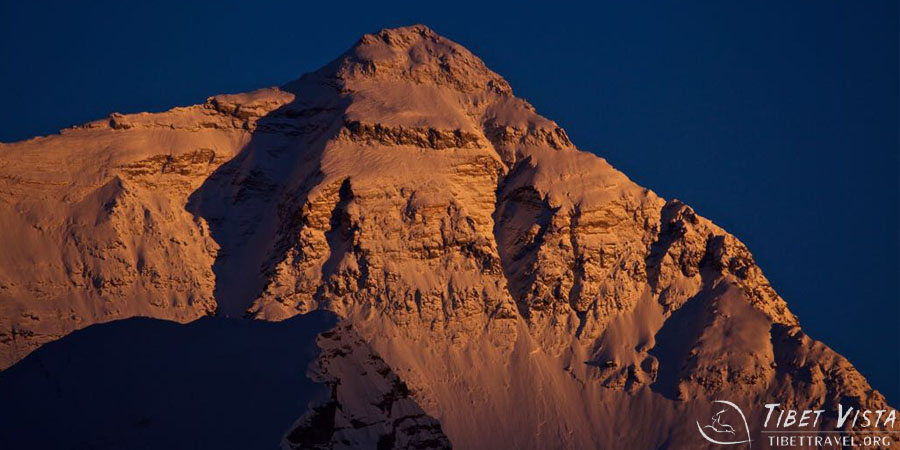 Enjoy the spectacular sunrise on mount Everest in the morning
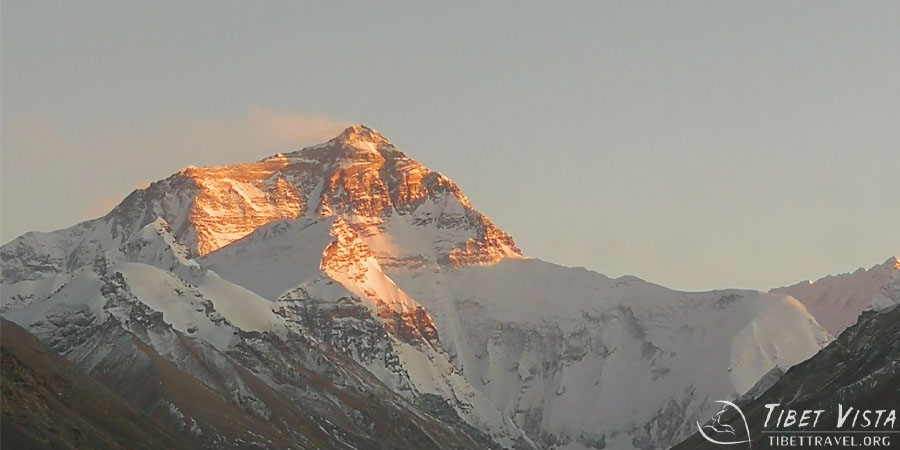
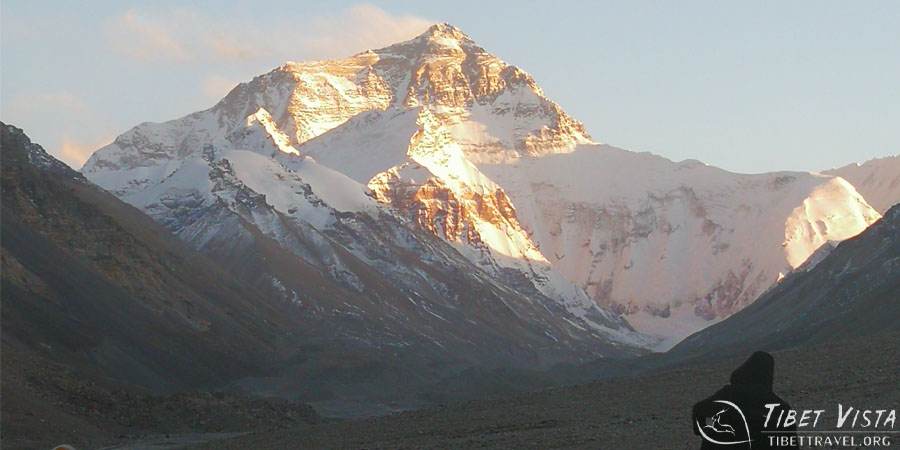
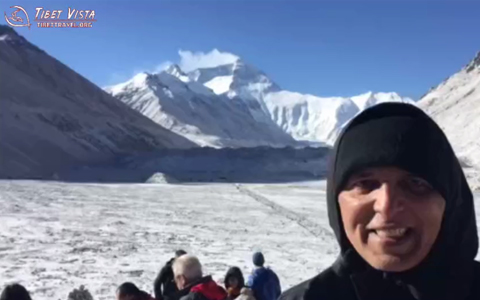
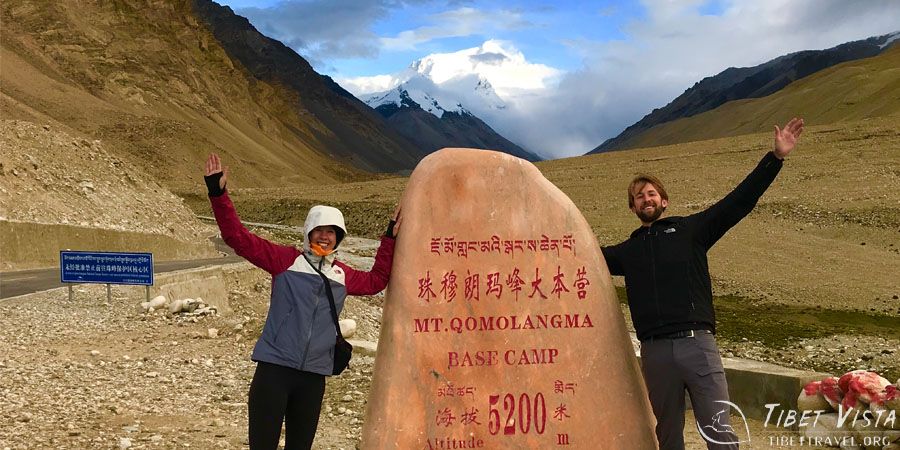 Mount Everest in winter is just as spectacular
Night skies are much clearer on the plateau, especially in winter. Few clouds come along at night to cover the amazing view of our own galaxy in the starry night sky, unlike in summer when it can be very cloudy at night. - Check the popular tours from Lhasa to Everest Base Camp.
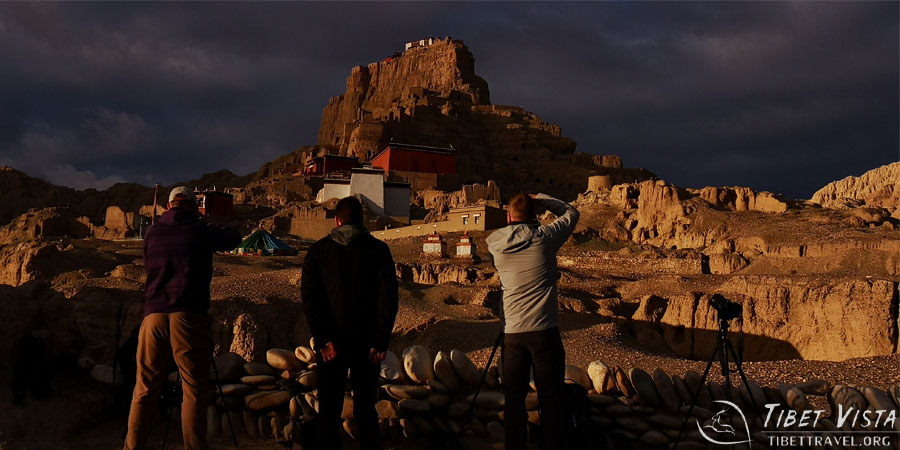 The best shots of this ancient ruined kingdom are taking in the dusk at sunset
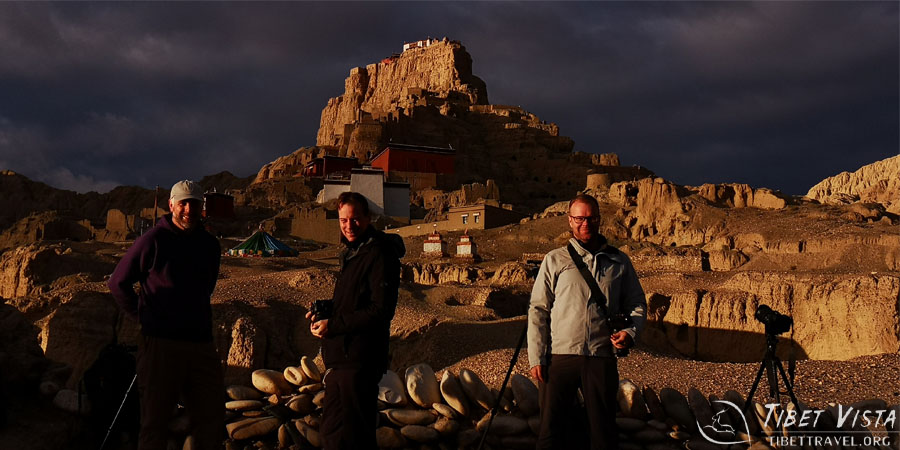
Far out in the west of Tibet lies the Guge Kingdom, one of the most astounding mysteries of Tibet. Lying far into Ngari Prefecture, this region is not as cold as many people think, and it is still possible to head for the area to get the best sunset shots of the ancient kingdom’s few remains.
Play with the Snow
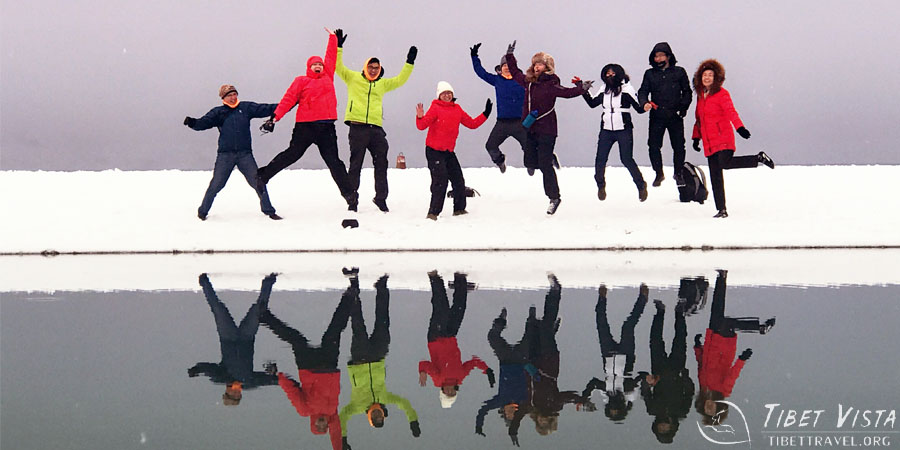 Floating above the lake? Or standing on the snow?
Snow is actually a constant thing in Tibet, esp. on the tip of lofty peaks and high mountain passes. However, as winter brings more snow and further transforms the Tibet into an icy fairyland, you will get more excitement during your Tibet journey.
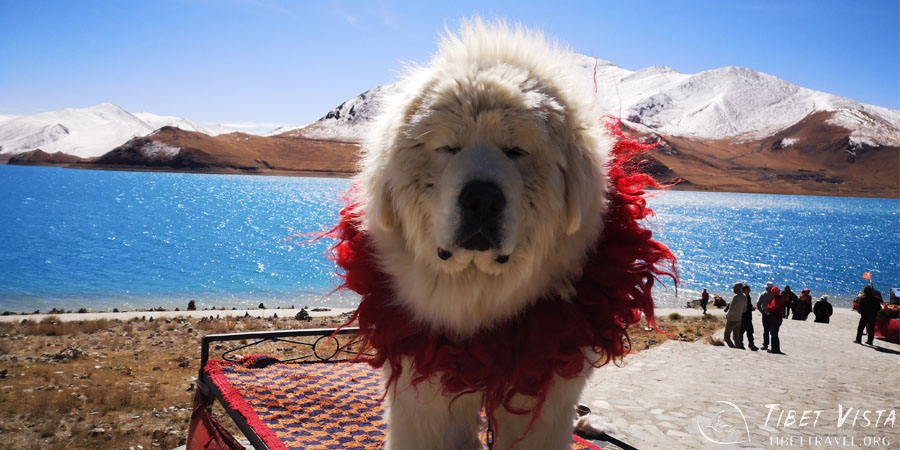 Tame Tibetan Mastiffs, with ruffs around their necks, are available for photo opportunities at Lake Yamdrok
The snows that do fall on the plateau are often an amazing sight for travelers from lowland tropical and warmer countries, where snow rarely or never falls. And what better place than the Tibetan plateau to have your first ever snowball fight? Just remember to bring some good gloves, as the snow is still cold, even if the sun is warm and bright.
End of Mt. Kailash Trek
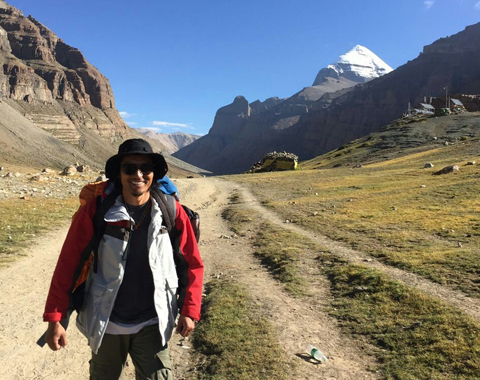
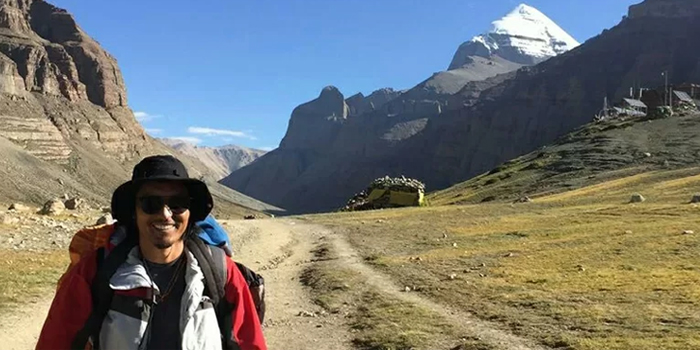
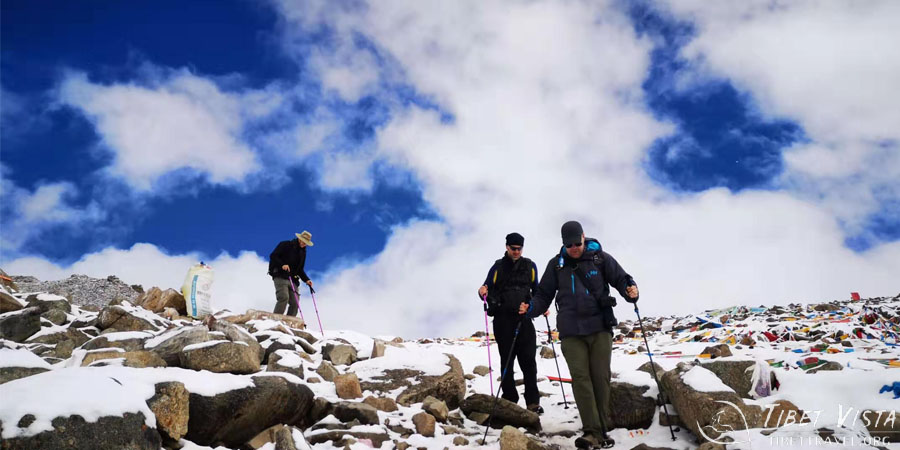 Carefully navigating the slopes of the arduous Mount Kailash Kora Trek
While most of the year you can see plenty of opportunities to tackle the famous Kailash Kora Trek, the last opportunity for doing so is around mid-November. After that, the winter weather brings in more snow, which can block the passes and the valleys of the kora route, making it impossible to hike around.
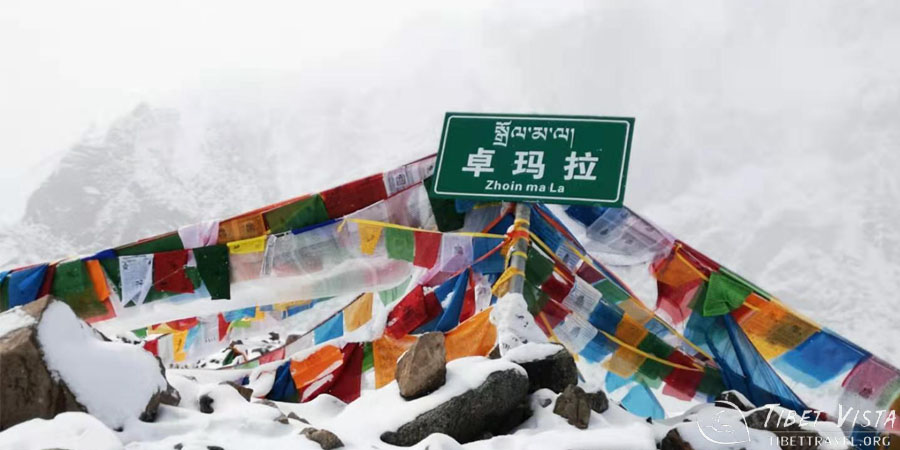 Heavy snow at Drolma La Pass (5,630m), the highest point of the Kailash Kora
The highest point of the trek is at Drolma La Pass, and is an astounding 5,630 meters above sea level. At this altitude, heavy snow in late December to February or March is common, and makes trekking dangerous.
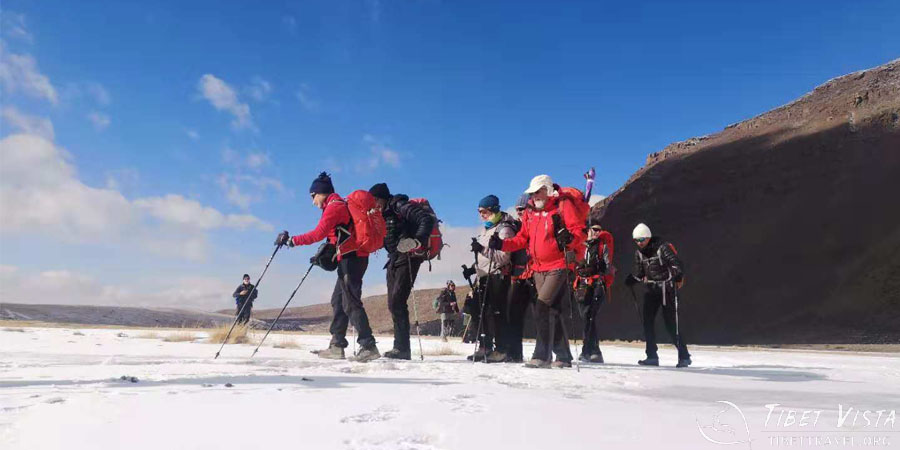 Hiking on the frozen icy ground of the kora around Mount Kailash
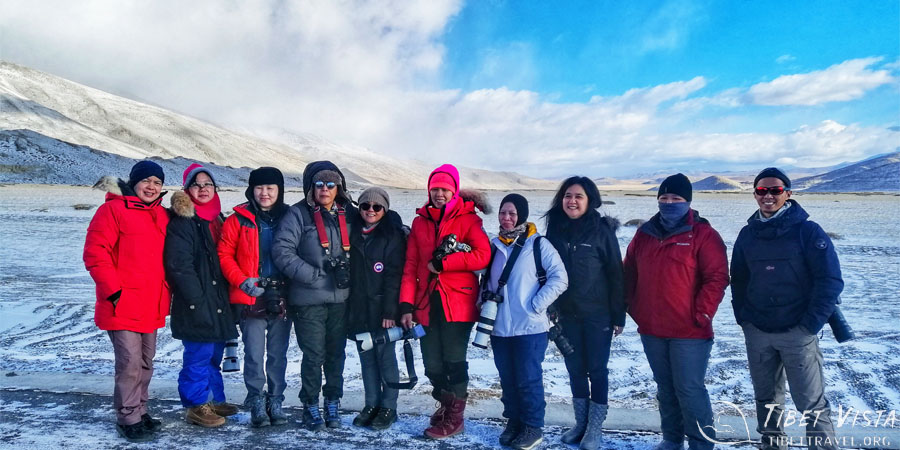
One of the main concerns that close the kora in winter is safety. Hiking on icy ground is dangerous enough on flat surfaces. On steep slopes and mountain passes, it is impossible to navigate.
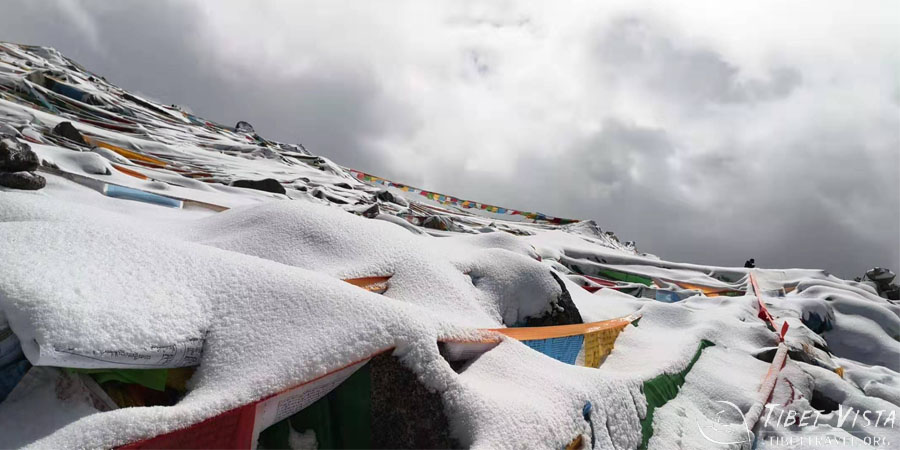 The prayer flags on the Kora Trek are covered with snow and barely visible
The views from the trail around Mount Kailash are also restricted in the winter when the snow falls. And even the Tibetan prayer flags that adorn the entire trekking route around the mountain can be covered and barely visible, making them less appealing around the trail.
Bundle Up in Warm Clothes
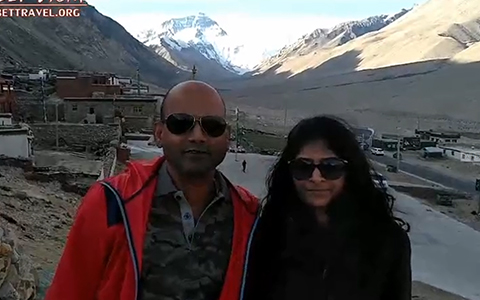
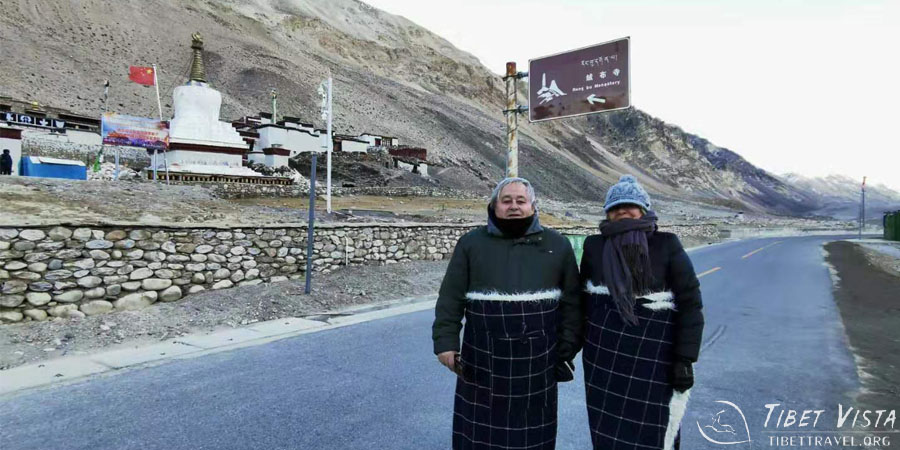 Our clients with warm apron offered by us at Rongbuk Monastery at EBC
Warm Tibetan aprons are designed to keep out the cold and work very well, as you can see from our visitors making the most of theirs. Warm clothing is essential in winter, and you need to make sure you wrap up warm to keep out the freezing cold. Anywhere that is at high altitudes is colder in winter, and often below freezing at night. If you are unable to stay warm, then you may get more severe altitude sickness.
Sun protection is also a necessity, believe it or not. The sun on the plateau in winter has less atmosphere to burn through and is, therefore, stronger and more damaging. You need to bring sunblock and a hat to keep the dangerous UV rays off your head and skin.
It’s also a Great time for Pilgrimage
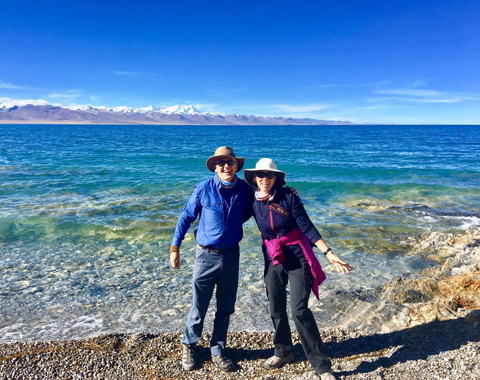
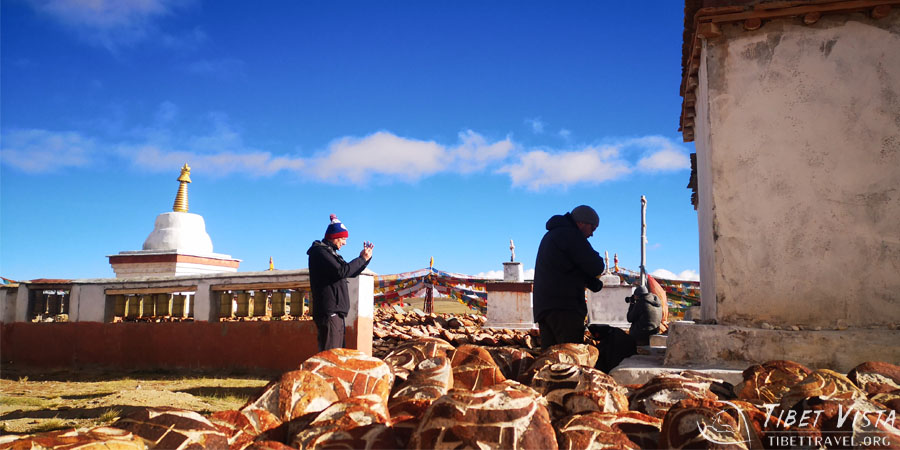 Praying at one of the five temples around the Lake Manasarovar Kora route
Winter may be cold and fresh in Tibet, but it is also the time when Tibetans make their annual pilgrimage to religious sites for prayer and meditation. Thousands of pilgrims travel to Lhasa in the winter from all over Tibet to pray at the Jokhang Temple. Winter is one of the best times of the year for helping you to understand the Buddhist pilgrimage and visit some of the unique Tibetan winter festivals. - Check the annual date of Tibetan festivals and festival tours.
Conclusion
Winter in Tibet is not the restricted period that many people believe it to be, and it is a great time to visit Tibet for a more in-depth understanding of the plateau and its unique people. And our guides and tour consultants can make sure that your winter trip to Tibet is the best experience of your life.

 Search
.jpg "Tibetan Local Travel Agency")






"Embrace the Enchanting Charms of Tibet on the Early Winter Tour"