
 Search
.jpg "Tibetan Local Travel Agency")


Nepal Travel FAQs 2026: Help You Plan a Smooth Nepal Tour
Boasting epic Himalayan views and a heady mix of Hindu and Buddhist cultures, Nepal is a fascinating place to explore, particularly for outdoorsy travelers.
For first-timers to Nepal, we’ve rounded up a list of 18 most frequently asked questions about Nepal travel, ranging from Nepal travel safety, must-see attractions, top Nepal treks to best Nepal travel seasons, and more, to help you plan your upcoming Nepal tour with ease.
 1. Is Nepal Safe to Travel? Yes, It’s Very Safe
2. Do I Need a Visa to Travel to Nepal? Yes, You Do
3. How to Travel to Nepal? Super Easy
4. Should I Travel to Nepal Independently or Join an Organized Tour?
5. How Many Days Should I Spend in Nepal? 4 to 14 Days
6. When Is the Best Time to Travel to Nepal? March to April & Oct. to Nov.
7. When Is the Monsoon Season in Nepal? June to August
8. How Much Does It Cost to Travel to Nepal?
9. What Are Some of the Well-known Places to Visit in Nepal?
10. What Are the Well-known Trekking Routes in Nepal? Around Himalayas
11. Can I Trek in the Himalayas Without Any Experience Before? Yes
12. What Kind of Adventurous Activities Can I Do in Nepal?
13. What Is the Best Food to Try When Visiting Nepal?
14. What Type of Accommodations Can I Find in Nepal?
15. How Should I Get Around in Nepal? Bus, Motorcycle, Flights
16. What Vaccines Do I Need to Travel to Nepal? Not Mandatory
17. What Are the Biggest Mistakes to Avoid When Visiting Nepal?
1. Is Nepal Safe to Travel? Yes, It’s Very Safe
As one of South Asia’s most popular and affordable tourist destinations, Nepal is a safe place to visit for all travelers. Local Nepalese people are extremely welcoming and friendly to overseas travelers and they are willing to share the rich Nepali culture and landscape with global travelers.
Violent crime against tourists is rare here. However, for travelers, just like traveling anywhere else, you need to be mindful of your belongings and don’t flash your cash in the busy tourist streets like Thamel in Kathmandu.
As you explore Nepal, you will meet many interesting solo travelers from around the world, including solo female travelers. Generally, there is no safety issue for solo female travelers traveling in Nepal, as most Nepalese men are respectful to female visitors. Using your common sense and learning a few basic Nepali phrases can help you travel in Nepal more smoothly.
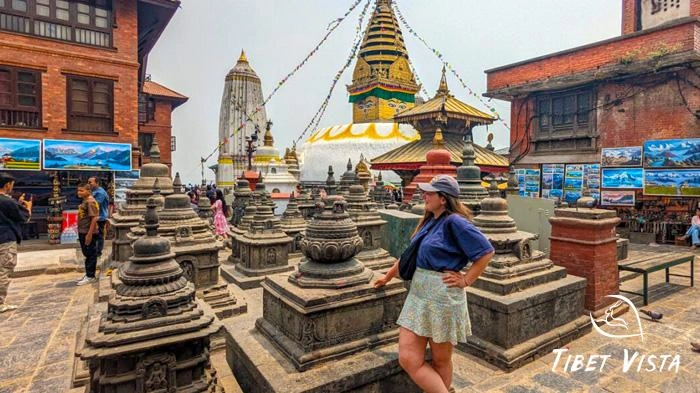 Solo female travelers traveling happily in Nepal.
2. Do I Need a Visa to Travel to Nepal? Yes, You Do
Except for Indian passport holders, most overseas travelers visiting Nepal are required to have a Nepali Visa for legal entry.
You can easily obtain a Visa on Arrival at Tribhuvan International Airport in Kathmandu or as you cross the land border into Nepal, for example traveling overland from Lhasa to Kathmandu via Gyirong Port, the current Sino-Nepal border. All you need to do is just fill out a form, pay the visa fee, and get your visa stamped at the immigration.
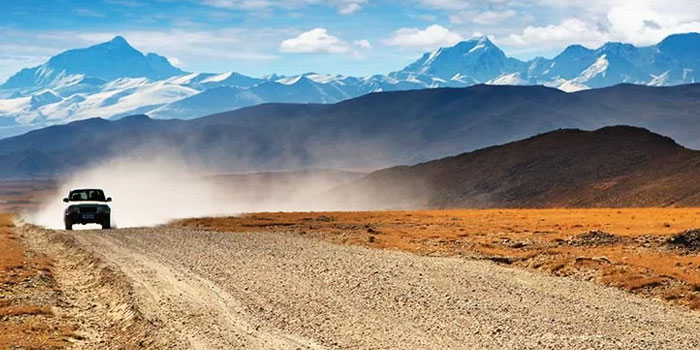

Enjoy the epic trans-Himalayan overland tour from Lhasa to Kathmandu in 7 days.
Alternatively, if you don’t want to wait in the long line for a visa on arrival at the airport, you can apply for a Nepal e-Visa online 15 days before you leave for Nepal. Just fill out the application form on Nepal’s official immigration website, upload a photo, pay by credit card, print the confirmation, and later show your e-Visa at immigration when you arrive in Nepal. Easy peasy lemon squeezy!
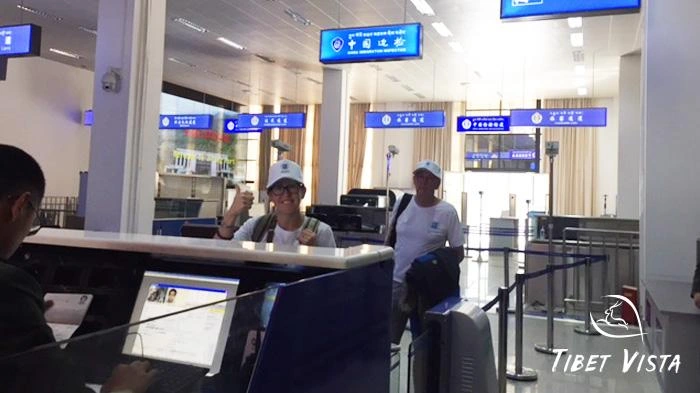 Our guests go through the immigration at the Sino-Nepal border.
3. How to Travel to Nepal? Super Easy
The easiest way to get to Nepal is by flying into Tribhuvan International Airport in Kathmandu. There are direct flights from major cities like Lhasa, Delhi, Mumbai, Bangkok, Dubai, Doha, and Istanbul. If you're coming from the US, Europe, or Australia, you’ll need a connecting flight through the Middle East, India, or Southeast Asia.
The other popular option to travel to Nepal is across Nepal’s land borders from the Tibet Autonomous Region of China and India. Of all the land borders to enter Nepal, traveling overland from Lhasa to Kathmandu via Gyirong Port is the most popular one.
This over 1,300km trans-Himalayan road trip takes you past the central Tibetan Plateau with a thrilling excursion to Tibet Everest Base Camp before crossing Gyirong Port to Rasuwa on Nepali’s side and winding up in vibrant Kathmandu City. Highly recommended to travelers who wanna enjoy a 360-degree view of the Himalayas and plan to combine Tibet and Nepal tours.
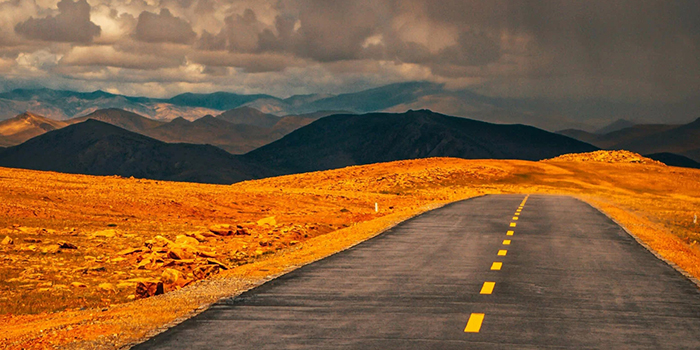
Embark on a long overland journey from Beijing to Lhasa and travel further to Kathmandu by road.
For Indian travelers, the most popular border crossing from India to Nepal is at Sunauli (or Sonauli) where you can take buses directly into Bhairahawa in Nepal and travel north to Lumbini, Pokhara, and Kathmandu, some of the hottest tourist destinations in Nepal.
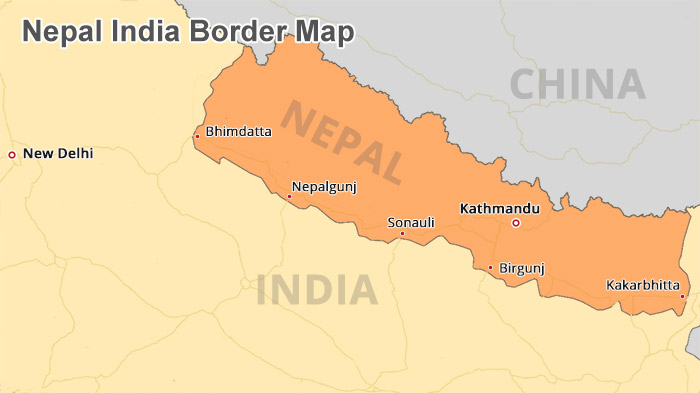 The Land borders between India and Nepal on the map.
4. Should I Travel to Nepal Independently or Join an Organized Tour?
Different strokes for different folks! If you are an experienced traveler and travel on a budget for normal sightseeing only in Kathmandu, Pokhara, and Lumbini, traveling independently can be your best option since these major tourist destinations have well-developed tourist amenities, diverse hotels, clear travel routes that are easy to navigate yourself.
On the other hand, if you plan to travel from Tibet to Nepal and trek in Everest and remote regions or engage in other adventurous activities in Nepal, signing up for an organized tour will be your go-to choice. In this way, you won’t waste your valuable time handling travel permits, transportation, and securing local hotels. With local guides’ knowledge, logistic supplies, and a team’s support, you can travel in a safer and more worry-free way for all kinds of activities across Nepal.
With offices in Kathmandu, Lhasa, and Chengdu, we offer you one-stop services for all the travel permit processing, seamless border transfer, local transfer, local experts, quality hotels, and more attentive services for you’re a seamless travel experience from Tibet to Nepal and even to neighboring Bhutan.
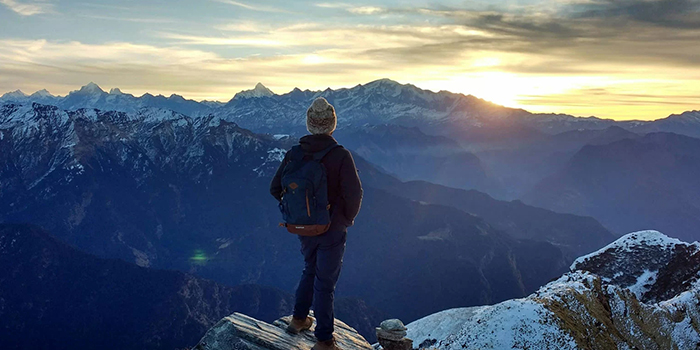
Explore the top three Himalayan kingdoms in Nepal, Lhasa, and Bhutan.
5. How Many Days Should I Spend in Nepal? 4 to 14 Days
If this is your first time in Nepal and you only have a few days to cover Nepal’s most landmark attractions, you can budget 4 to 7 days to explore Kathmandu and Pokhara, two of the most popular travel destinations in Nepal.
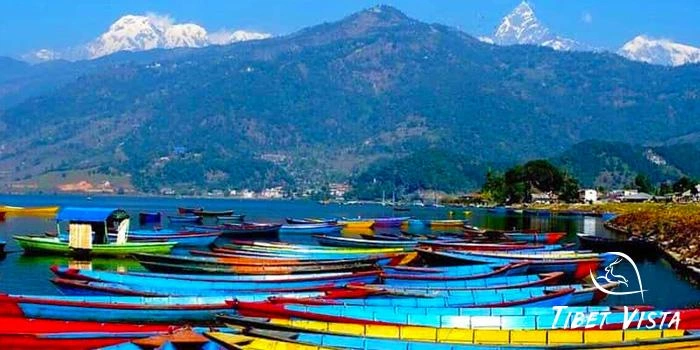
Enjoy the classic tour from Kathmandu to Pokhara.
If you plan to experience the classic Everest Base Camp trek in Nepal, you need to set aside 14 days for the EBC treks from and back to Lukla with multiple acclimatization days included. Besides, you also need to budget a couple of days for getting the Sagarmatha National Park Permit and flights from Kathmandu or Ramechhap to the trailhead at Lukla. Nepal EBC trek vs Tibet EBC trek, learn the difference.
Experience Nepal's most famous Everest Base Camp trek from Lukla.
Besides, if you are keen to explore the best of Nepal, including Kathmandu, Pokhara, and the Chitwan National Park for a jungle safari and Lumbini, the birthplace of the Lord Buddha, for such a long tour, you need to have two weeks and more.
Explore Kathmandu, Pokhara, and Chitwan, top three tourist destinations in Nepal.
6. When Is the Best Time to Travel to Nepal? March to April & Oct. to Nov.
Nepal is a year-round destination and the best time to visit depends on what you want to do. For the clearest Himalayan skies, ideal trekking paths, comfortable weather, and all outdoor activities, March to April and October to November are the best time to visit Nepal.
Spring (March to April) is pleasantly warm and the trekking trails in mountains and hills come alive with colorful Rhododendron blooms. It is a perfect time for trekking in the Everest and Annapurna regions, with excellent visibility for breathtaking Himalayan vistas. Besides, you can join locals in throwing colorful powders to honor the Holi Festival (March) and watch parades, and street dances during Nepali New Year (April), adding a festive charm to your journey.
Autumn (October to November) is the peak season for trekking and all outdoor activities in Nepal, thanks to clear skies, mild temperatures, and epic Himalayan views. It’s also the best time for Nepal’s biggest festivals, Dashain (Oct.) and Tihar (Oct.). With an auspicious 'Tika' put on your forehead and houses decorated with oil lamps, you can immerse yourself in the lively celebrations. Learn more details about the best time to visit Nepal.
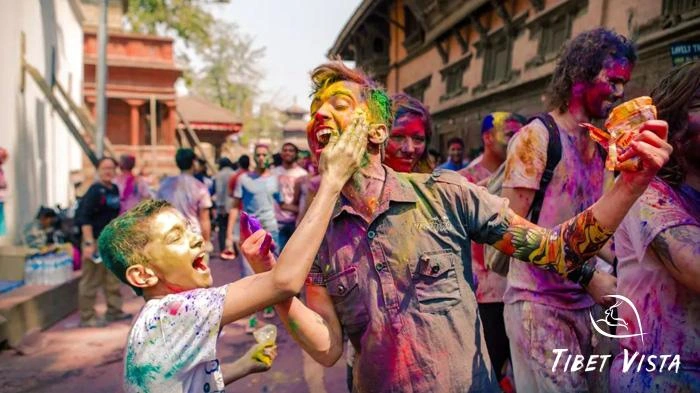 Travelers celebrating the Holi Festival with locals in March in Kathmandu.
7. When Is the Monsoon Season in Nepal? June to August
The sultry monsoon season in Nepal starts from late May and ends around the middle of September, with over 80% of the annual rainfall occurring in July and August. Since the clouds will obscure Himalayan views and downpours may lead to flight delays and landslides, it’s not a time for trekking and other outdoor activities in Nepal.
However, as it doesn’t rain continuously and most of the time, heavy rain comes in sharp bursts in the afternoon and at night, it is possible to focus on temple visits in Kathmandu and its surroundings. Another hidden blessing is the heft discounts for hotels, tour packages, flights, and less-crowded attractions, which are perfect for budget travelers.
8. How Much Does It Cost to Travel to Nepal?
As one of the most affordable tourist destinations in South Asia, Nepal is a paradise for backpackers. For travelers with different budgets, Nepal can be as budget-friendly or as luxurious as you want, depending on your travel plans and personal preferences.
The cost of your Nepal tour mainly comes from international flights, accommodation, dining, local transportation, activities, entrance tickets, visa & permits, and other personal expenses, including tips, travel insurance, shopping, and more.
For mid-range travelers who want a comfortable Nepal trip without overspending, you can budget $50–$150 per day for boutique hotels, local restaurants, taxis or local buses to get around, and diverse outdoor activities.
Besides, there are seasonal impacts as well. For more accurate Nepal travel costs, please email us for free and expert travel consultancy.
9. What Are Some of the Well-known Places to Visit in Nepal?
To most overseas travelers, Kathmandu is your Nepal’s arrival city and starting point for a Nepal adventure. As the cultural heartland of Nepal, Kathmandu is home to many UNESCO World Heritage sites worth visiting.
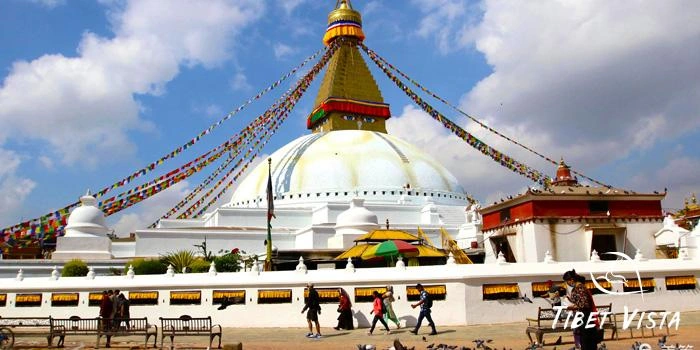
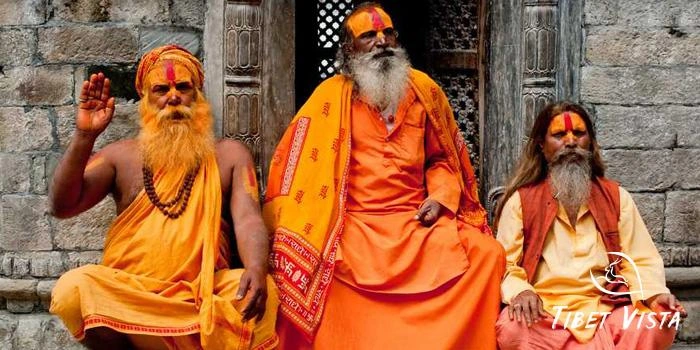
You can spend 2 days in Kathmandu Valley, covering the largest stupa (Boudhanath Stupa) in Nepal, and hike to the famous Monkey Temple (Swayambunath) for a stunning panoramic view of Kathmandu City or visit the iconic holy Hindu men and witness open-air funeral sites at Pashupatinath Temple. Don’t miss out on the landmark Durbar Squares in and around Kathmandu.
After exploring must-see attractions in Kathmandu, many will directly travel from Kathmandu to Pokhara where adrenaline-packed outdoor adventures and stunning Himalayan vistas await.
In Pokhara, you can go boating at the serene Phewa Tal Lake while admiring the amazing reflection of Annapurna on the lake’s mirror-like surface. Or hike to the photogenic World Peace Pagoda for a sweeping view of Pokhara and the surrounding Himalayas. Another must-do in Pohara is overnight at Sarangkot for an incredible sunrise over the Annapurna Himalaya in the morning while enjoying your breakfast. Besides, many adventure activities are available in Pokhara, we will cover that below.
Beyond Pokhara, another popular option is to journey from Kathmandu to Chitwan National Park in the south for a jungle safari to spot tigers, rhinos, and gharials on the top of the elephants and onward to Lumbini to visit the Buddha’s birthplace.
Travel from bustling Kathmandu to Lumbini, the birthplace of the Buddha.
10. What Are the Well-known Trekking Routes in Nepal? Around Himalayas
There is no better way to explore Nepal than on foot. For outdoorsy travelers, Nepal boasts many world-class trekking routes that await your adventure. Of all trekking routes, over 80% of ordinary travelers choose the Everest and Annapurna regions for trekking in Nepal, as the well-trodden trails and famous teahouse lodges provide a safer and more worry-free trekking experience.
The celebrated Everest Base Camp trek is the most famous trek in Nepal and worldwide. It lasts 14 days from and back to Lukla, the trailhead of the Nepal EBC trek. Along the way, you can trek through lush forests, cross suspension bridges over deep valleys, explore lovely Sherpa villages, and trek to Nepal Everest Base Camp at 5,364m for a close-up view of the south face of Mt. Everest before heading back.
Experience Nepal's most famous Everest Base Camp trek in two weeks.
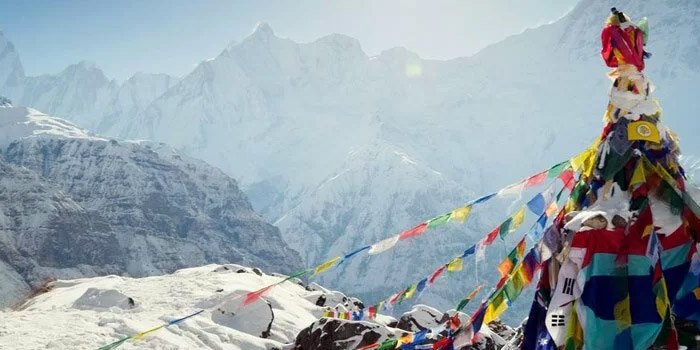
Beyond the EBC trek in Nepal, Annapurna is another hugely popular region for trekking in Nepal, with most trailheads just one or two hours’ drive from Pokhara. The renowned Annapurna Base Camp trek spans 10 to 14 days and takes you through the heart of the Annapurna Range. You will pass rice paddies and gores of bamboo and forests and surround yourself with towering Himalayan peaks in every direction.
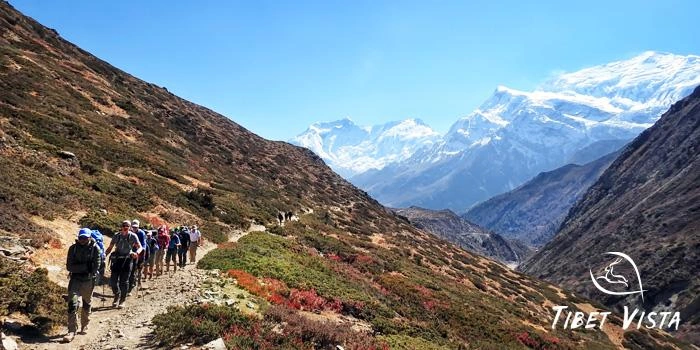
Embrace the epic trek to Annapurna Base Camp, where the Himalayas touch the sky!
11. Can I Trek in the Himalayas Without Any Experience Before? Yes
Yes, even if you don’t have any experience trekking in the Himalayan regions, Pokhara offers you several guided short treks in Nepal to stretch your legs with stunning Himalayan views.
For example, in Pokhara, the Ghorepani Poon Hill trek is one of the shortest and easiest treks for travelers of all ages in the Himalayas. This scenic 3-day trek allows you to enjoy the sunrise over these stunning Himalayan peaks and trek through colorful villages and Rhododendron forests, with Annapurna always present in the backdrop.
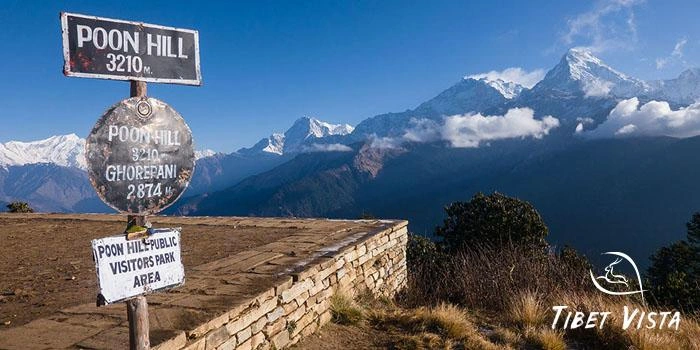
Experience the traveler-friendly Ghorepani Poon Hill trek in 3 days.
12. What Kind of Adventurous Activities Can I Do in Nepal?
Nepal’s diverse landscapes offer adventure seekers a playground for adrenaline-packed outdoor activities, mostly centered esp in Pokhara.
You can challenge yourself to the world's second-highest Bungee Jump from the bridge, or paraglide from the mountaintop to enjoy a bird's eye view of Pokhara and Phewa Tal Lake and Annapurna or experience the thrilling 120km/h Zip-lining from mountaintop to the ground or jump from the plane for Skydive, and go ice climbing on frozen waterfalls in winter, experience white-water rafting, and more. Nepal has something for every thrill-seeker.
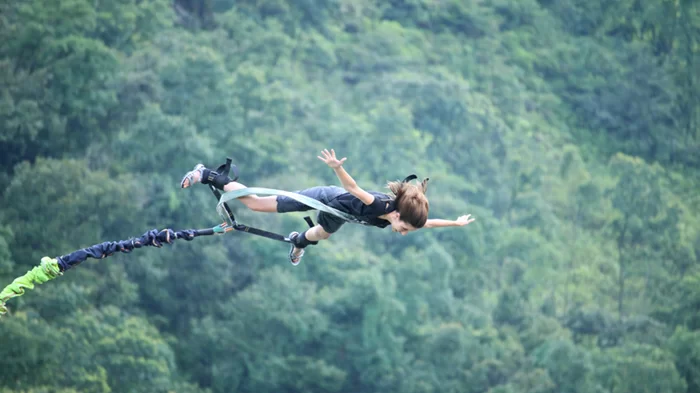 Experience the ultimate adrenaline rush with a bungee jump in Pokhara.
13. What Is the Best Food to Try When Visiting Nepal?
For foodies, Nepal will never disappoint your tastebuds. You will find that Nepali food perfectly blends the flavors of the local Nepali cuisines with Indian and Tibetan influences.
In local Nepali restaurants, you can try the staple meal of Nepal---Lentil Soup (Daal Bhaat) with rice, curried vegetables, and pickles. Besides, steamed or fried dumplings (Momos) with minced chicken or pork meat and a spicy dipping sauce are also popular food in restaurants throughout Nepal. In addition, fried noodles (Chow Mein), grilled spiced buffalo meat (Choyla), Tibetan fried meat pasties (Shabhaley), barbecued meat skewers (Sekuwa), and more are available.
Since most Hindu Nepalis are vegetarians, you will discover varieties of vegetarian food including noodle soup (Thukpa & Thenthuk), salad-like snacks (Chaat), unleavened bread with spiced potato (Alu Paratha), and beyond to eat.
Additionally, Kathmandu and Pokhara have many tourist restaurants serving popular Western dishes like pasta, pizza, fish and chips, French fries, steaks, and grilled meats.
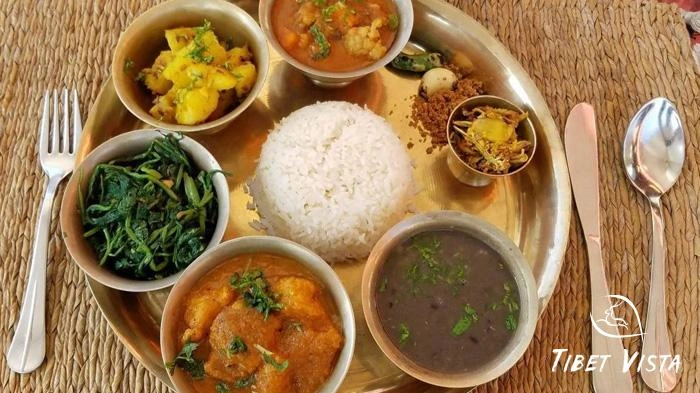 Try the Daal Bhaat, the staple food in Nepal.
14. What Type of Accommodations Can I Find in Nepal?
As a world-renowned tourist destination in South Asia that relies heavily on tourism, Nepal offers you a wide range of accommodations including luxury hotels, budget-friendly teahouses for trekking, boutique hotels, and backpacker hostels widespread in Kathmandu, Pokhara, and Chitwan and along popular Himalayan trekking routes.
For most travelers, we recommend mid-range boutique hotels in cities. These hotels are well-furnished with amenities like Wi-Fi, hot showers, air-conditioning, restaurants, and sometimes even fitness centers, which are popular among families and solo travelers who prefer a comfortable stay.
For trekking in Nepal, you can book comfortable and clean ‘tea house’ lodges on the most trekking routes with stove-heated dining rooms, shared bathrooms, and paid hot water for showers. Some famous trekking routes like Everest and Annapurna even have luxury ‘tea house’ lodges with hearty meals, spacious western-style rooms, and great views of the Himalayas. Just make sure to book in advance in high season.
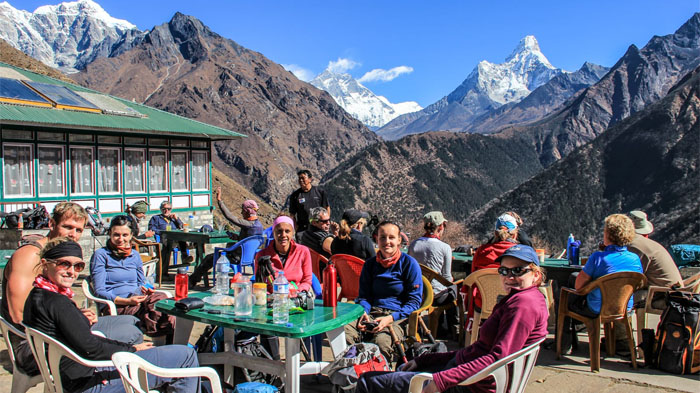 Enjoy the comfortable teahouse trek during Mt.Everest trek in Nepal.
15. How Should I Get Around in Nepal? Bus, Motorcycle, Flights
Getting around in Nepal is easy, though many highways can be bumpy and dusty. To overseas travelers traveling among Kathmandu, Pokhara, Chitwan, and Lukla, using domestic flights, and tourist buses are the best options for independent travelers.
The tourist bus is the most affordable and easiest way to get around major tourist cities. Besides, it is smaller and faster with air-conditioners and written English tips than public buses.
Besides, using Domestic flights is another popular option for getting to the trailhead of Everest treks from Kathmandu. It can also save you 7 hours of bumpy ride from Kathmandu to Pokhara. However, flights only operate in good weather. So, triple-check the weather forecast before booking the flight.
Other than that, for short-distance travel, you may also rent a motorcycle, or hire a taxi and rickshaw, just make sure the driver uses a meter, or agrees on the rickshaw price in advance. Alternatively, using a local transfer service from a local travel agency like us is another hassle-free option.
16. What Vaccines Do I Need to Travel to Nepal? Not Mandatory
There is no mandatory vaccination requirement for visiting Nepal. One thing that needs to be mentioned is that as you visit the Monkey Temple or walk on the street, avoid getting bitten or scratched by monkeys or homeless dogs. You may also bring insect repellent against mosquitoes if you plan to visit the tropical Chitwan National Park or travel during the summer in Nepal.
17. What Are the Biggest Mistakes to Avoid When Visiting Nepal?
One of the biggest mistakes travelers make in Nepal is overlooking the importance of proper acclimatization before trekking to higher Himalayan regions. This can lead to acute mountain sickness. The rule of thumb is to ascend gradually, include acclimatization days, and travel with a local guide for a safer trekking experience in Nepal.
Besides, stay away from touts and scammers in popular tourist areas to avoid unwanted trouble.
What’s more, some temples and monasteries prohibit photography and always ask for permission before taking photos; dress properly and remove your shoes before entering the temples and monasteries.
18. What Currency Do Tourists Use in Nepal? Nepalese Rupee
The official currency of Nepal is the Nepalese Rupee (NPR). However, in major tourist areas like Kathmandu, Pokhara, and Chitwan, some hotels, trekking agencies, and souvenir shops may accept USD, EUR, or GBP and credit cards. Besides, just remember to get enough cash if you plan to trek to remote and rural areas.
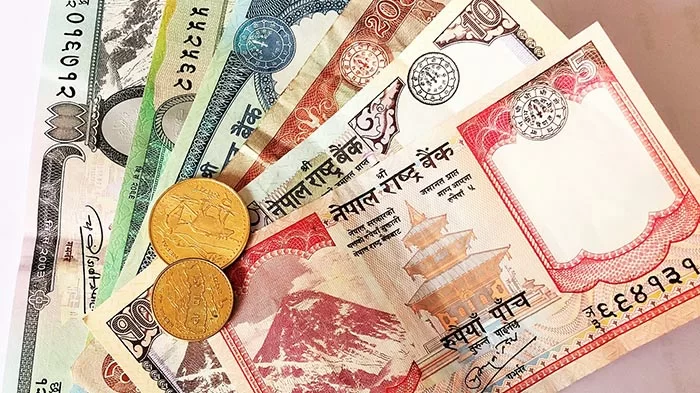 Always carry Nepalese Rupees for hassle-free travel in Nepal.
Conclusion
In a nutshell, Nepal is such a fascinating place to visit with epic Himalayan views, endless outdoor adventures for global travelers, and rich Hindu and Buddhist culture to explore. Hopefully, you find our Nepal FAQs helpful. If you have more questions about Nepal travel, don’t hesitate to email us for free and expert travel solutions, Namaste!

Proficient in English and having a wealth of knowledge in Tibetan, Chinese, Nepali, and Indian culture and history, Garong is one of your go-to Tibetan guides to explore Tibetan landscapes.
In addition to the classic tourist routes in Tibet, Garong specializes in guiding travelers for the scenic Gama Valley trek on the eastern slope of Mt. Everest in Tibet. Garong is exceedingly patient, enthusiastic, and accommodating to traveler’s needs, such as veggies, ladies, the elderly, etc.
Whether in Garong’s tour group or through his travel articles, Garong won’t miss out on any opportunity to explain Tibetan culture, history, and religion to travelers.
 Email me about your travel idea
Related Articles & Posts
![How to Visit Nepal: 6 Steps to Plan a Nepal Tour in [!year_txt!]](https://data.tibettravel.org/assets/images/nepal-tour/how-to-visit-nepal-480.jpg)
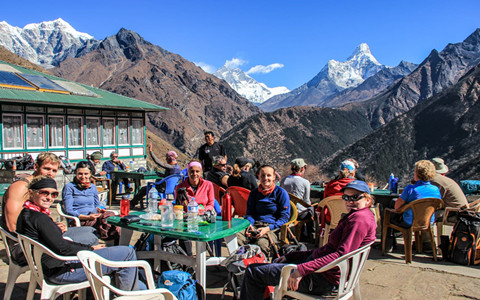
-
Lhasa - Gyantse - Shigatse - Everest Base Camp - Gyirong - Kathmandu
USD989
View Details -
Lhasa - Gyantse - Shigatse - EBC - Saga - Darchen - Kailash Trek - Darchen - Saga - Gyirong - Kathmandu
USD2069
View Details -
12 Days Travel from Beijing to Kathmandu across Tibet Plateau, traversing the Beijing-Lhasa Train
Beijing - Xining - Qinghai Tibet Railway - Lhasa - Shigatse - Everest Base Camp - Gyirong - Kathmandu
USD1795
View Details -
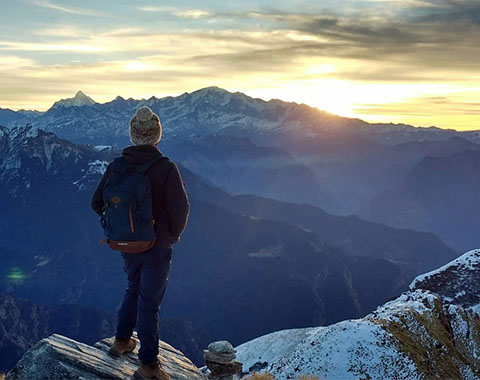
16 Days Tour three Himalaya Kingdoms by Overland: Tibet, Nepal and Bhutan
Kathmandu - Chitwan - Kathmandu - Lhasa - Shigatse - Everest Base Camp - Gyirong - Kathmandu - Paro - Thimphu - Paro
USD3150
View Details -
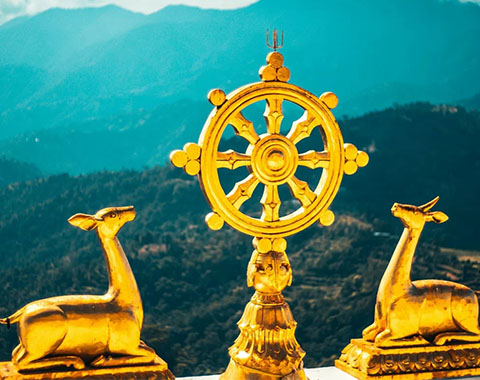
17 Days Expedition to the Himalayan Kingdoms: Tibet, Nepal & Bhutan from Beijing
Beijing - Xining - Qinghai Tibet Railway - Lhasa - Shigatse - Everest Base Camp - Gyirong - Kathmandu - Paro - Thimphu - Paro
USD3190
View Details -
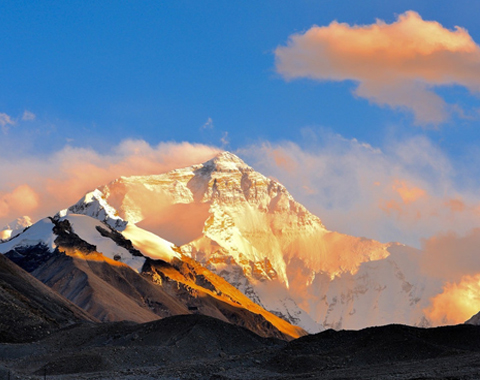
Lhasa - Gyantse - Shigatse - Everest Base Camp - Shigatse - Lhasa
USD949
View Details -
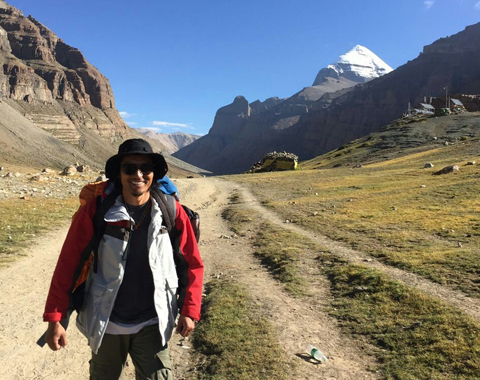
Lhasa - Gyantse - Shigatse - E.B.C - Saga - Kailash Trek - Darchen - Lake Manasarovar - Saga - Gyirong - Tingri - Lhasa
USD2069
View Details -
10 Days Lhasa to Everest Base Camp, Namtso Lake and Holy Elephant Gate Small Group Tour
Lhasa - Gyantse - Shigatse - EBC - Shigatse - North Tibet Grassland - Bange - Namtso Lake - Holy Elephant Gate - Lhasa
USD1299
View Details -
8 Days Driving Across Himalaya Overland Adventure from Kathmandu to Lhasa
Kathmandu - Gyirong - Everest Base Camp - Tingri - Shigatse - Gyantse - Lhasa
USD1019
View Details -
4 Days Lhasa Impression Small Group Tour: Explore the Heart of Tibet and Mingle with the Locals
Lhasa
USD509
View Details -
Lhasa - Gyantse - Shigatse- Lhasa
USD799
View Details
0 Comment ON "Nepal Travel FAQs 2026: Help You Plan a Smooth Nepal Tour "


1. Is Nepal Safe to Travel? Yes, It’s Very Safe
2. Do I Need a Visa to Travel to Nepal? Yes, You Do
3. How to Travel to Nepal? Super Easy
4. Should I Travel to Nepal Independently or Join an Organized Tour?
5. How Many Days Should I Spend in Nepal? 4 to 14 Days
6. When Is the Best Time to Travel to Nepal? March to April & Oct. to Nov.
7. When Is the Monsoon Season in Nepal? June to August
8. How Much Does It Cost to Travel to Nepal?
9. What Are Some of the Well-known Places to Visit in Nepal?
10. What Are the Well-known Trekking Routes in Nepal? Around Himalayas
11. Can I Trek in the Himalayas Without Any Experience Before? Yes
12. What Kind of Adventurous Activities Can I Do in Nepal?
13. What Is the Best Food to Try When Visiting Nepal?
14. What Type of Accommodations Can I Find in Nepal?
15. How Should I Get Around in Nepal? Bus, Motorcycle, Flights
16. What Vaccines Do I Need to Travel to Nepal? Not Mandatory
17. What Are the Biggest Mistakes to Avoid When Visiting Nepal?