
 Search
.jpg "Tibetan Local Travel Agency")


Potala Palace 101: Everything You Need to Know about the Lhasa Palace
As the most iconic landmark of Tibet, the Potala Palace is a must-visit for first-time visitors to Tibet because it offers you the very first and vivid introduction to rich Tibetan culture and history.
So, whether you are planning a visit to the Potala Palace in Lhasa or want to learn more about this world’s highest and largest palace, we have you covered!
In this travel guide, we will walk you through everything you need to know, from its early construction and hidden Buddhist chapels to ticket booking tips, photography spots, and more. So, you can enjoy a smooth and unforgettable Potala Palace tour experience.
Content
1. What Is the Potala Palace? Why Is It Called “Potala”?
2. Where Is the Potala Palace?
3. When Was the Potala Palace Built?
4. Why Is the Potala Palace Famous?
5. Why Was the Lhasa Potala Built?
6. Who Lives in the Potala Palace Now?
7. How Much Does Visiting the Potala Palace Cost?
8. What Are the Colors of the Lhasa Palace?
9. How Many Rooms Does the Potala Palace Have?
10. What Is Inside the Potala Palace?
11. Is There an Underground Palace Beneath the Lhasa Castle?
12. Can I Take Photos Inside Potala Palace?
13. How Long Does It Take to Visit Potala Palace?
14. How Do I Get the Tickets to Visit the Potala Palace?
15. Is There a Visitor Limit Per Day?
16. What Is the Best Time of Day to Visit Potala Palace?
17. What Is the Best Season to Visit Potala Palace?
18. How Many Steps Are in the Potala Palace? Is It Difficult to Hike?
19. Where Are the Best Photo Spots for Potala Palace?
20. Why Do Tibetans Walk Around the Potala Palace?
21. Any More Etiquette and Taboos When Visiting Potala Palace
1. What Is the Potala Palace? Why Is It Called “Potala”?
The Potala Palace used to be the royal palace of the Tibetan King Songtsen Gampo and the winter palace of the past Dalai Lamas (spiritual leader of Tibetan Buddhism). Today, the Potala Palace is a vibrant museum and one of the UNESCO World Heritage Sites in Lhasa. It is a must-see for global travelers to learn about the culture and history of Tibetan Buddhism.
The name “Potala” comes from Mount Potalaka, the mythical home of Chenrezig (Avalokiteshvara), the Buddha of Compassion. Besides, we Tibetans believe that King Songtsen Gampo and the former Dalai Lamas are the human form of Chenrezig, which is why the palace they reside in is considered a sacred land filled with holiness and blessings.
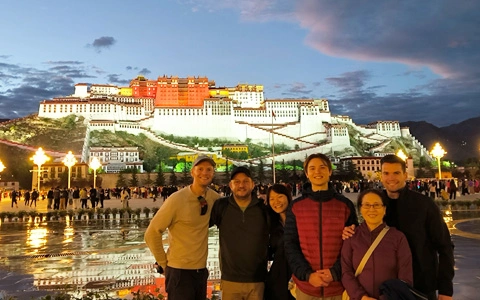
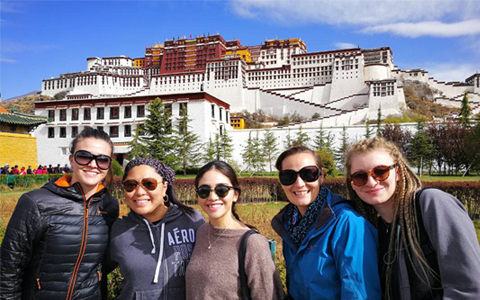
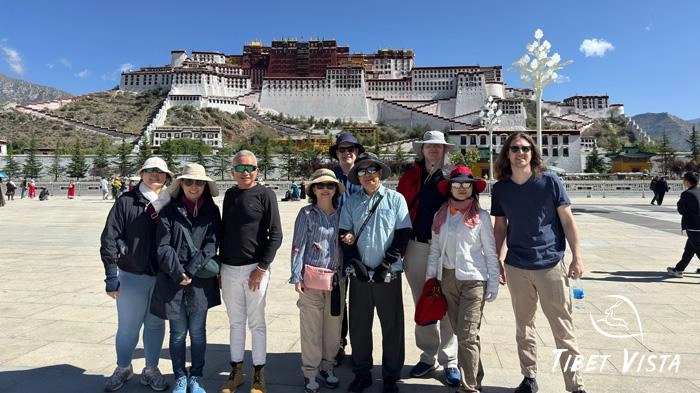 Our guests take photos with the Potala Palace at the Potala Palace Square.

Explore Potala Palace and other Tibet's landmark attractions in a well-paced 4-day Lhasa tour.
2. Where Is the Potala Palace?
The Potala Palace sits on the Red Hill and is located at 35 Beijing Middle Road, Chengguan District, in downtown Lhasa, Tibet Autonomous Region of China.
It is around an hour’s drive (58km) from Lhasa Gonggar International Airport and within a 30-minute walk from Barkhor Street in the old quarter of Lhasa city. Learn more about the Potala Palace location tips.
 (Simple click to enlarge the map)
The location of Potala Palace on the Lhasa map.
3. When Was the Potala Palace Built?
Early Construction
The Potala Palace was first built around 635 AD by the Songtsen Gampo, the 33rd Tibetan king, after he moved Tibet’s capital from Shannan to the Lhasa Valley plain in 633 AD.
Key Expansion
In 1645, the Fifth Dalai Lama decided to rebuild and expand the original Potala Palace built by King Songtsen Gampo. By 1649, the White Palace was completed, and the Fifth Dalai Lama moved in from Drepung Monastery and used it as his new home and administrative office.
After the Fifth Dalai Lama passed away, the regent Sangye Gyatso built the Red Palace in 1693. Later, successive Dalai Lamas added the golden rooftops and other attached buildings.
Final Touch
By 1936, after the stupa of the 13th Dalai Lama was completed, the Potala Palace had finally become the majestic Potala Palace as we see it today. Learn the history of the Potala Palace.
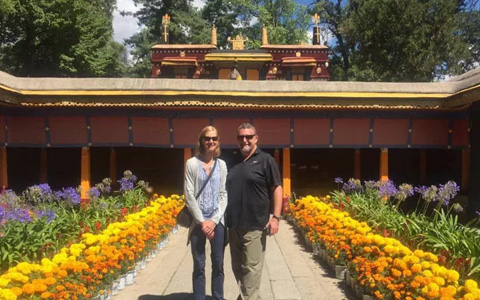
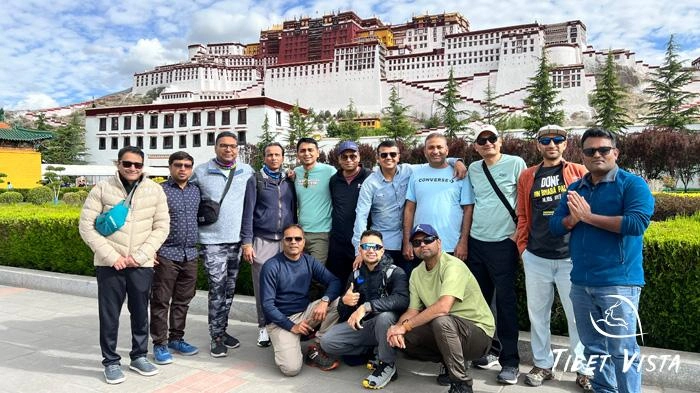 Our guests took photos with the Potala Palace.
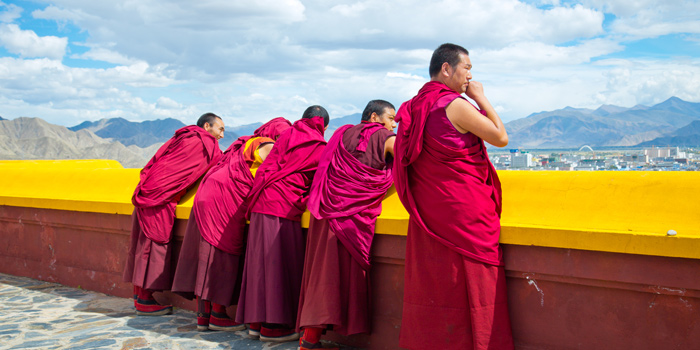
Explore Potala Palace in Lhasa and its prototype Shigatse Dzong in Shigatse city.
4. Why Is the Potala Palace Famous?
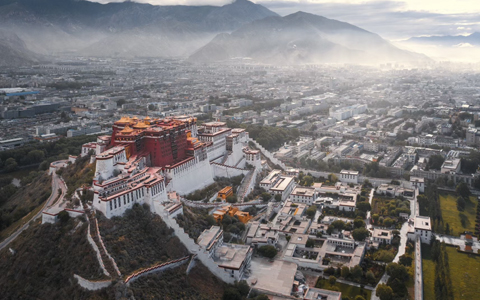
The Potala Palace (3,700m) is the world’s highest and largest palace with a fortress-like structure. It covers over 130,000 m² and rises 115.7 meters above the Red Hill in Lhasa. The entire building has over 1,267 rooms, including palaces, sacred chapels, government offices, Buddhist schools, and the past Dalai Lamas’ living quarters, and tons of priceless Buddhist treasures.
Besides, the Potala Palace witnessed many key historic moments in Tibetan history. For example, in 1649, the Fifth Dalai Lama moved from Drepung Monastery to the Potala Palace, making it the center of Tibet’s political and religious life, and it was also the meditation retreat for King Songtsen Gampo.
In 1994, the Potala Palace in Lhasa was inscribed as a UNESCO World Heritage site in Lhasa and became the most popular museum, a pilgrimage site, and a treasure trove of Tibetan history and culture. Learn the top things to visit the Potala Palace.
5. Why Was the Lhasa Potala Built?
Unlike the romantic folklore that the Potala Palace was built by Songtsen Gampo to express his love and welcome towards his wife, Princess Wencheng, from Chang’an (now Xi’an) in 643 AD, historical records show a different story.
Songtsen Gampo actually built the Potala Palace 8 years before the arrival of Princess Wencheng in Lhasa to show his royal power and create a strong political center to rule the Tibetan Plateau.
He chose Red Hill in Lhasa to build Potala Palace because of its strategic location and sweeping views over the Lhasa Valley, which makes it the ideal spot for defence and a grand palace that reflects his strength and ambition.
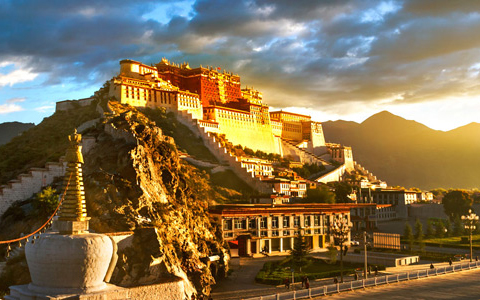
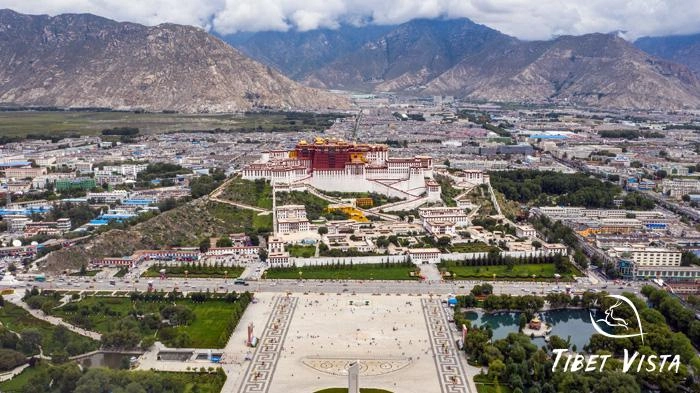 The Potala Palace on the Red Hill is the highest place in the Lhasa Valley.
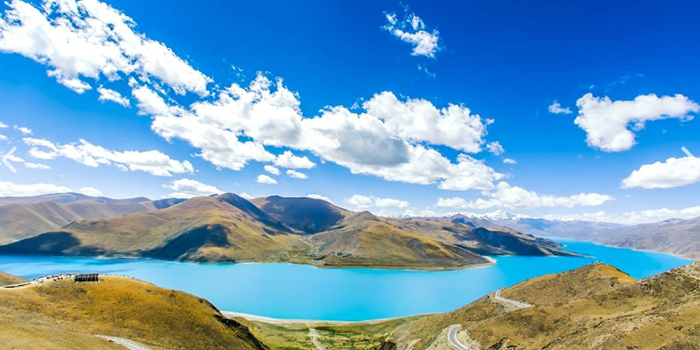
Seamlessly blend the monastic tour in Lhasa with an in-depth day tour to turquoise Yamdrok Lake.
6. Who Lives in the Potala Palace Now?
Nowadays, the Potala Palace serves as a living museum of Tibetan history. Only a small group of monks, mostly members of the Tibetan Buddhist Association, and staff still live and work inside to maintain the Potala Palace and preserve its cultural heritage.
7. How Much Does Visiting the Potala Palace Cost?
Potala Palace tickets cost 200 RMB per person during the peak season (May to October) and 100 RMB during the low season (November to April). Since tickets must be reserved at least one day in advance through the Potala Palace’s official WeChat account, we’re here to help you secure tickets for a hassle-free visit.
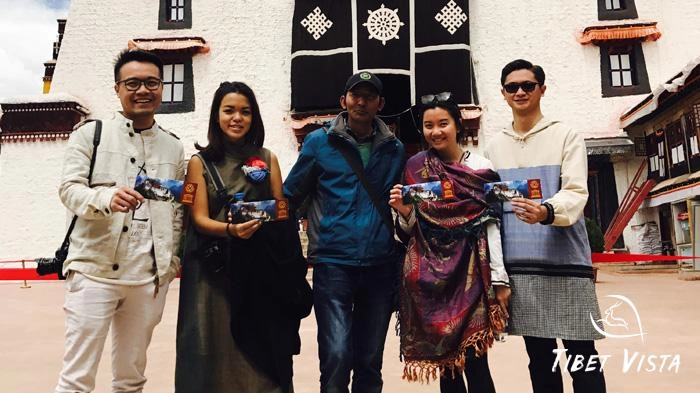 Our guests take the Potala Palace tickets and enjoy their visit in the Potala Palace.
8. What Are the Colors of the Lhasa Palace?
The Potala Palace features two dominant colors: white and red, with touches of yellow and black for decoration.
The entire White Palace and the base of the Potala Palace are painted white to symbolize peace, purity, and compassion, qualities associated with the Buddha of Compassion. This white section, especially the White Palace, served as the living quarters and government office for past Dalai Lamas.
The Red Palace, the spiritual heart of the Potala Palace, is painted red to stand for the power, wisdom, and spiritual authority of Tibetan Buddhism. It houses sacred chapels, the stupas of past Dalai Lamas, important scriptures, murals, and countless Buddhist relics.
Besides, you will notice black-framed windows, curtains, and golden roofs. These are a perfect blend of traditional Tibetan and Han Chinese design. These small amounts of colors help contrast the white walls and make the Potala Palace glow majestically under the bright sunlight to show its dignity.
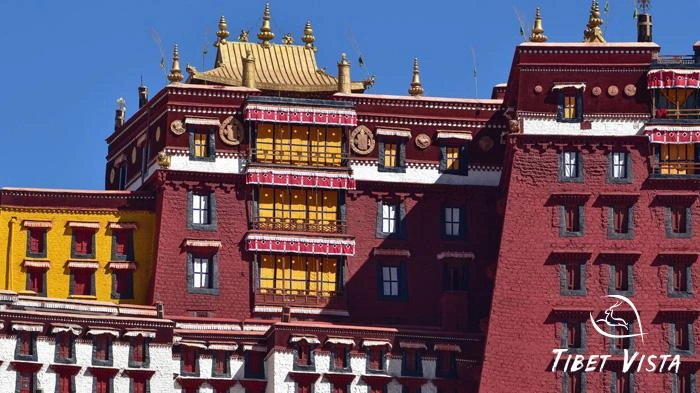 The Potala Palace actually consists of white, red, yellow, and black colors.
9. How Many Rooms Does the Potala Palace Have?
When King Songtsen Gampo originally built the Potala Palace on the Red Hill in the 7th century, it had around 1,000 rooms inside the Potala Palace. However, by the 9th century, due to wars, fires, lightning strikes, and other disasters, the Potala Palace was badly damaged and left almost abandoned.
In the 17th century, the 5th Dalai Lama rebuilt the Potala Palace and made it the political and religious center of Tibet. Over time, the palace was gradually expanded, and by the 1930s, it had become a massive fortress-style complex.
Now, it covers over 130,000 m² and stands 115.703m tall and includes 1,267 rooms, including palaces, sacred chapels and stupas, Buddhist halls, the Dalai Lama’s living quarters, monastic schools, and beyond.
10. What Is Inside the Potala Palace?
The Potala Palace mainly consists of the Red Palace and the White Palace.
The Red Palace is the spiritual heart of the Potala Palace. As the best highlights of the Potala Palace tour, the Red Palace is mainly dedicated to religious and spiritual purposes. You can see holy funeral stupas (tombs) of the past eight Dalai Lamas and a string of precious Buddhist chapels and halls, exquisite frescoes, and countless Buddhist treasures.
On the other hand, the White Palace once served as the living quarters and administrative offices of the past Dalai Lamas. Here, you can visit their living room, audience halls, and former Tibetan government offices where the past Dalai Lama conducted daily affairs. This part gives you a rare glimpse into the mysterious life of the past Dalai Lamas. Learn more about the Potala Palace inside.
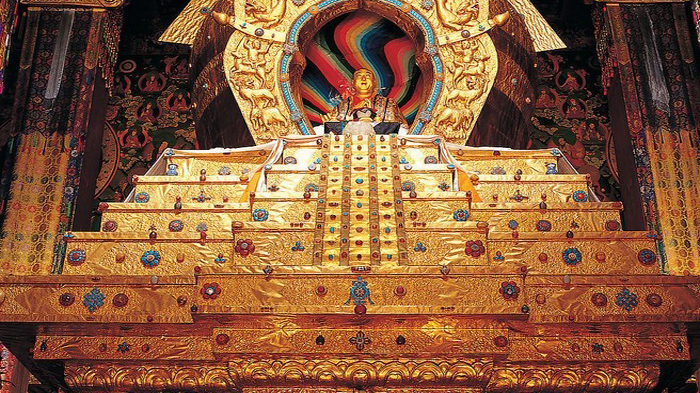 The massive golden stupa of the fifth Dalai Lama in the Red Palace of the Potala Palace.
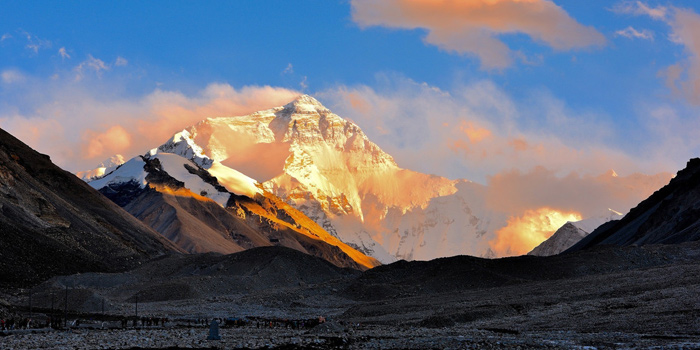
Explore Potala Palace in Lhasa and keep traveling to Tibet Everest Base Camp to admire amazing Himalayan vistas.
11. Is There an Underground Palace Beneath the Lhasa Castle?
The rumor has it that the fortress-like complex has an underground palace. According to Ding Changzheng, the secretary of the palace management, the UNESCO site has a well-built underground tunnel. It is still a mystery of the Potala Palace whether the tunnels lead to the mysterious underground world of Shangbala or not.
12. Can I Take Photos Inside Potala Palace?
To show your respect for the Buddhist deities and honor local customs, photography is strictly forbidden once you enter the Buddhist halls or sacred chapels inside the Potala Palace.
However, you are welcome to take photos of the Potala Palace from the stone staircases, at the eastern courtyard, and other open-air areas. Learn the 7 best places to capture the Potala Palace.
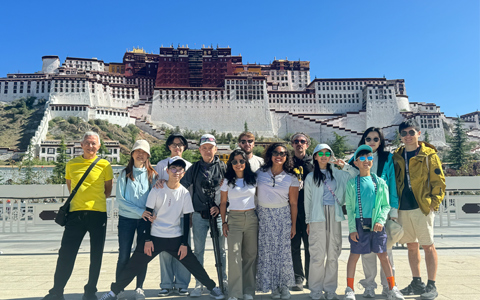
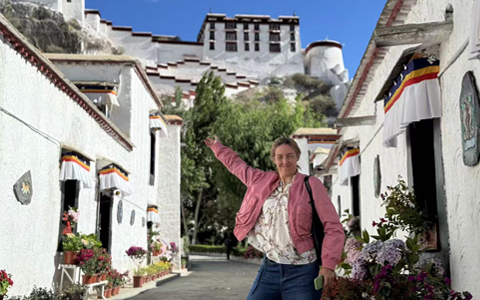
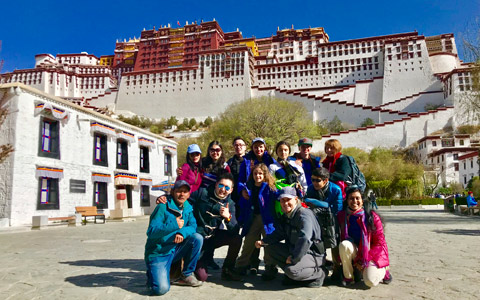
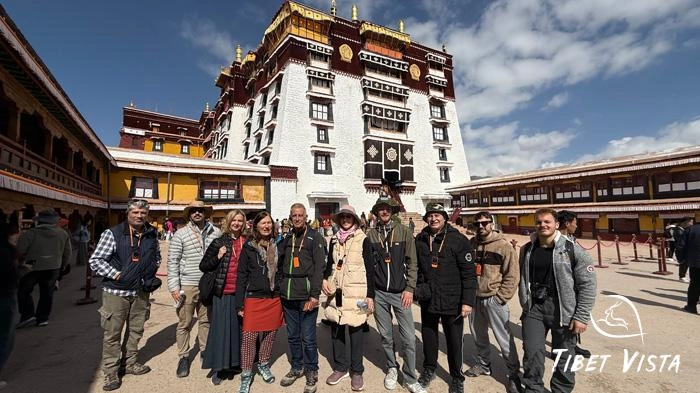 Our guests take photos with the White Palace of Potala Palace at the eastern courtyard.
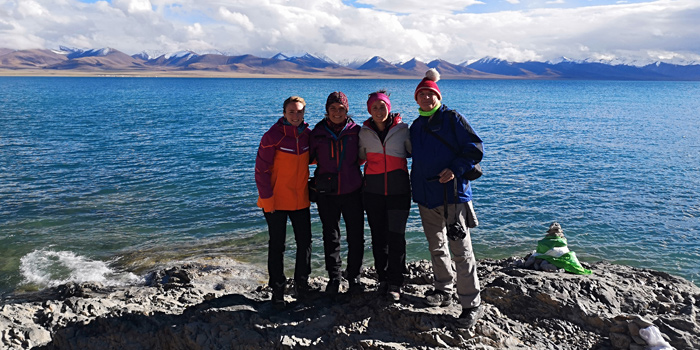
Visit Potala Palace and further journey to Tibet Everest Base Camp and heavenly Namtso Lake.
13. How Long Does It Take to Visit Potala Palace?
For travelers, the visit inside the Potala Palace is limited to one hour. However, to enjoy the full Potala Palace tour experience, including Shol Village at its base, the surrounding Potala pilgrimage circuit, Zongjiao Lukang Park in the backyard, and nearby photo spots like Chakpori Hill, it can take up to four hours.
For our guests, we offer you a complete 4-hour half-day exploration of Potala Palace, covering all the top highlights of Potala Palace tour for an immersive travel experience.
14. How Do I Get the Tickets to Visit the Potala Palace?
Potala Palace tickets can only be booked through the official WeChat account of the Potala Palace. For our guests, we take care of the ticket reservation at least one day in advance as part of our Tibet tour service.
15. Is There a Visitor Limit Per Day?
Yes, the Potala Palace has a daily visitor limit (usually around 2,300 people per day) to prevent overcrowding and keep museum exhibits undamaged. Your Potala Palace tickets are issued with fixed entry times, and you need to enter at the exact time printed on your ticket.
16. What Is the Best Time of Day to Visit Potala Palace?
Early morning is the best time to visit the Potala Palace. Preferably, you can choose the entry tickets available between 09:00 and 10:00. This allows you to enter the Potala Palace before the big tour groups arrive.
In the early morning, the Potala Palace feels quieter and more serene. You can follow our local experts to soak up the holy vibes here, hear the rich stories behind each chapel, and explore the ancient halls and murals without feeling rushed.
Besides, after you have explored the Potala Palace inside, you can follow the pilgrim circuit to visit the enchanting Zongjiao Lukang Park right behind the Potala Palace. You can capture the reflection of Potala Palace in the tranquil lake and join locals for the traditional Guozhaung dance (circle dance) and experience authentic local life in Lhasa.
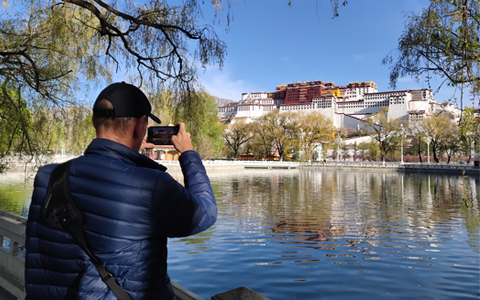
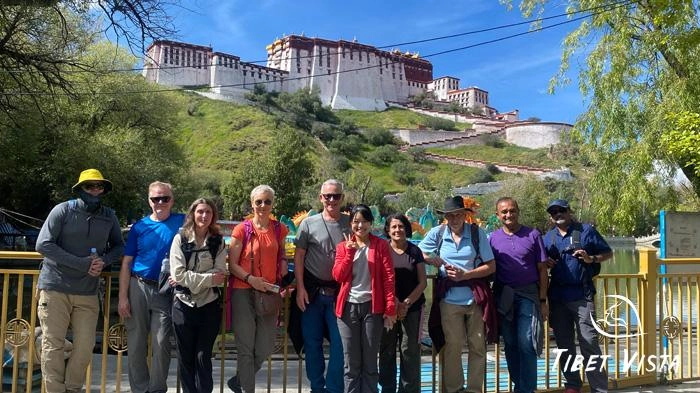 Our guests enjoy visiting Zongjiao Lukang Park behind the Potala Palace.
17. What Is the Best Season to Visit Potala Palace?
Potala Palace is a year-round destination, and each season promises you a different travel experience to explore.
Spring (April to May) brings new life to Lhasa. The weather is warming up, the skies are clear, and massive peach blossoms bloom in nearby Nyingchi. At the Potala Palace, the soft light of spring mornings gives a gentle glow to the white and red walls. It’s a peaceful time for you to explore the Potala Palace with fewer crowds.
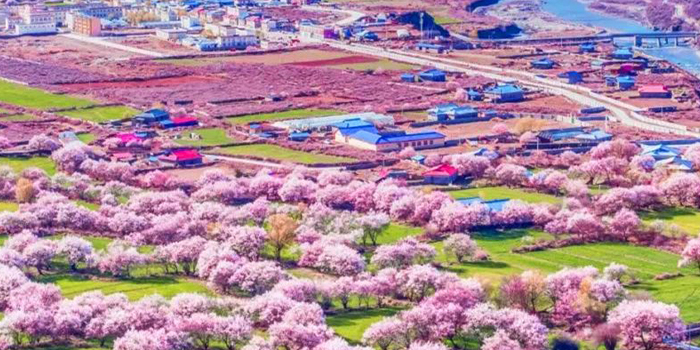
Explore massive peach blossoms in Nyingchi and continue to explore Lhasa and Tibet Everest Base Camp.
Summer (June to August) is the peak travel season in Tibet due to the summer break in China, and a large number of domestic travelers flock to Lhasa to escape the summer heat. With more greenery, higher oxygen levels in the air, and pleasant weather, major Tibetan festivals like Saga Dawa and Shoton Festival, the Potala Palace, and Lhasa city are teeming with travelers. It is a perfect time to visit the Potala Palace while experiencing intriguing and vibrant Tibetan festivities.
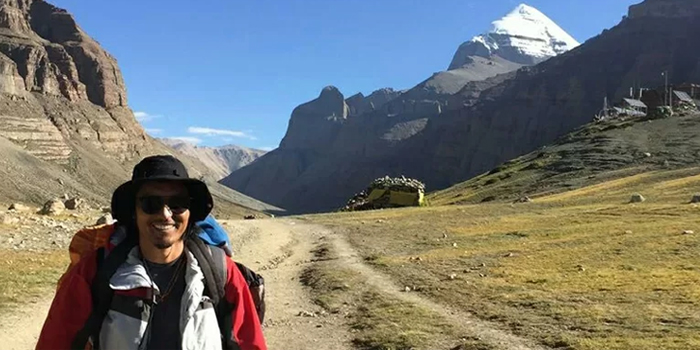
Explore Potala Palace and enjoy vibrant Shoton Festival in both Lhasa and around holy Mt. Kailash.
Autumn (September to October) is a favorite season for photographers. With crisp air, comfortable temperatures, and the clearest Himalayan skies, it is your perfect time to visit both the Potala Palace and the Tibet Everest Base Camp in one trip.
You will first capture stunning photos of the Potala Palace under the clear blue skies, where the bright white walls stand out beautifully against the deep Tibetan sky. Then, relax in our clean, spacious, and comfortable tourist vehicle as we take you from Lhasa to Shigatse and Everest Base Camp. Along the way, you'll enjoy the breathtaking turquoise waters of Yamdrok Lake, incredible Himalayan views, and unforgettable encounters with local culture. It will make a truly once-in-a-lifetime adventure to remember.
Explore Potala Palace and enjoy classic overland tour from Lhasa to Tibet Everest Base Camp.
Winter (November to March) is a hidden blessing to global travelers, esp. to those with a tight budget and prefer a more immersive travel expereince. In winter, the crowds are gone and you will be surprised to find that only the local pilgrims, your guide and you are the only visitors in Potala Palace and ancient Lhasa city.
Besides, winter is the off-season for the Tibet tour, which means great deals for you. Many mid-range and 5-star hotels and airlines will offer big discounts to attract global travelers. You can enjoy free entry to the Potala Palace and other major attractions, upgrade to luxury hotels at much lower prices, and admire the stunning winter views of the Potala Palace and beyond.
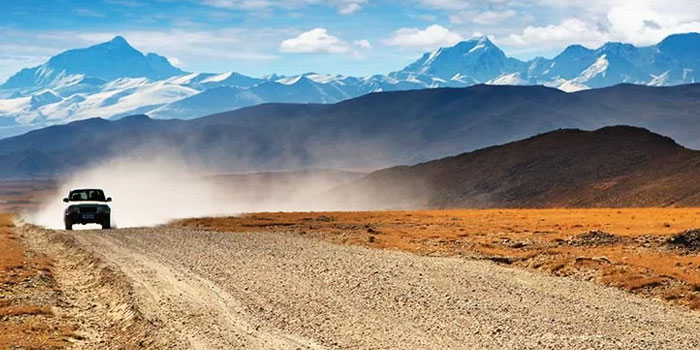
Visit Potala Palace and embark on the classic Lhasa to Kathmandu overland tour across mighty Himalayas.
18. How Many Steps Are in the Potala Palace? Is It Difficult to Hike?
The Potala Palace stands on Red Hill at around 3,700 meters (12,100 feet) above sea level. To visit both the White and Red Palaces, you will walk up and down around 1,000 steps along zigzag stone paths and staircases. For most travelers, the climb is manageable with no problem at all.
We recommend planning your Potala Palace visit on the second or third day after you arrive in Lhasa, so your body has time to acclimatize to the high altitude. Take it slow, walk at your own pace, and feel free to take short breaks whenever needed.
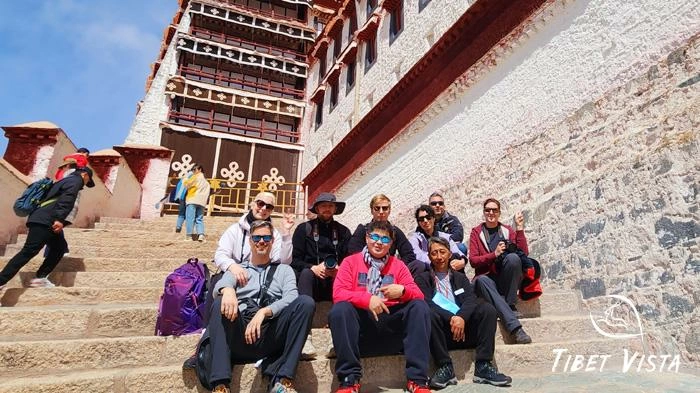 Our guests walk up the long stone cases of Potala Palace and sit on the steps for a short break.
19. Where Are the Best Photo Spots for Potala Palace?
There are many photo spots to capture different views of the Potala Palace:
Chakpori Hill Viewing Platform is widely believed to be the best place to capture the iconic 45-degree angle photo of the Potala Palace, just like the image printed on the 50 RMB banknote.
Potala Palace Square, situated opposite the Potala Palace, is a perfect place to capture the iconic front view of the entire Potala structure rising majestically above the Red Hill.
Zongjiao Lukang Park, the Potala Palace’s backyard garden, offers you the vantage point to snap stunning shots of the stunning mirrored image of the Potala from its back. Learn the top 7 best places to shoot the Potala Palace.
Besides, if you prefer to take great photos yourself with the Potala Palace to wow your friends on Instagram, we also offer traveler-friendly services like traditional Tibetan costumes rental, styling, and makeup. Our local photography guide will help capture beautiful shots. It is the perfect souvenir to take home from Tibet!
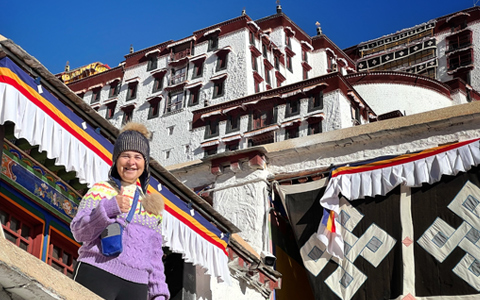
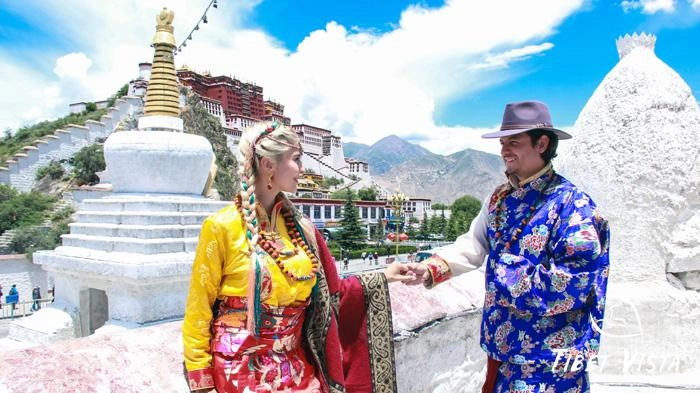 Our guests dress in traditional Tibetan costumes and take photos with the Potala Palace on Chakpori Hill.
20. Why Do Tibetans Walk Around the Potala Palace?
On your way to visit the Potala Palace, you may notice many Tibetans, young and old, walking clockwise or even prostrating themselves around the palace while spinning prayer wheels and chanting mantras. This practice is called “kora” (pilgrimage), and it is a very important Buddhist practice in local Tibetans’ daily life.
Local Tibetans walk the kora around holy Buddhist sites like Potala Palace, Jokhang Temple, or sacred Mt. Kailash and holy lakes to gain merits and spread blessings or even purify their souls.
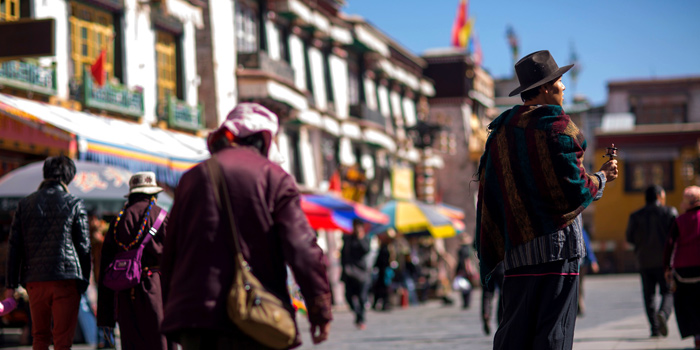
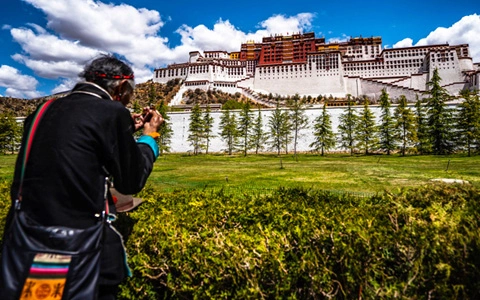
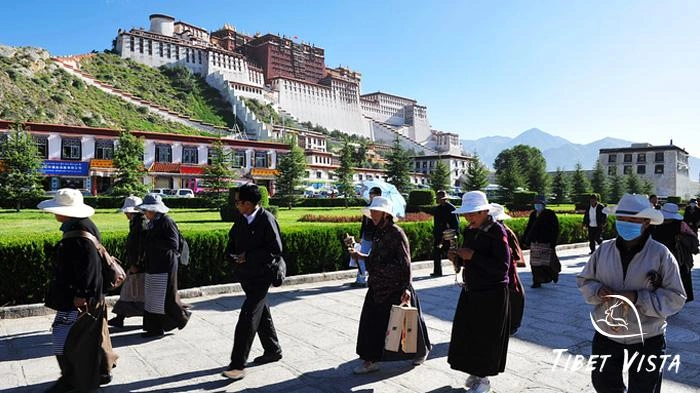 Locals Tibetan are walking the kora around the Potala Palace.
21. Any More Etiquette and Taboos When Visiting Potala Palace
Apart from the no-photo rule inside the Potala Palace, please also avoid wearing a skimpy costume when visiting this sacred site. This applies to both men and women, especially during the summer months. Remember, dressing modestly is a sign of respect for the Buddhist deities and the sacred stupas (tombs) of past Dalai Lamas inside the palace.
Besides, when you enter chapels or pass by sacred sites inside the Potala Palace, please remove your hat and sunglasses as a sign of respect as well.
If you are traveling with your kids, please keep your voice low and avoid loud laughter or shouting. The Potala is not just a tourist attraction. It's a place of prayer and deep devotion for Tibetan people.
What’s more, inside the Potala Palace, you will see countless priceless Buddhist relics, statues, Thangka paintings, and sacred treasures. Please don’t touch any of them. If you wish to make an offering, like adding yak butter lamp oil, feel free to tell your guide, and they’ll be happy to help you do it properly.
In addition, when visiting the Potala Palace and its surrounding pilgrimage paths, please always walk clockwise. This is the traditional way of doing kora (pilgrimage) in Tibetan Buddhism. Walking counterclockwise may seem disrespectful or awkward to local Tibetans.
Finally, if you are unsure about anything, don’t hesitate to ask your guide for help, which is always the best solution.
Conclusion
So, now you know the basics of a Potala Palace tour. Whether you’re drawn by Potala Palace’s rich history, stunning architecture, or deep spiritual significance, traveling with our local experts to explore Potala Palace will promise you a once-in-a-lifetime experience in Tibet.
If you have any questions about planning your Potala Palace tour or beyond, please feel free to email us for free and expert travel advice. Looking forward to taking you to experience the authentic Tibetan culture and stunning Himalayan landscapes on the Roof of the World. Tashi Delek!

Kungga Dundruk, often respectfully referred to as “Manager Kunga”, is the most revered and legendary Tibetan guide in our team.
Currently working as a customer service manager in Lhasa, Kunga used to study business overseas and got his Bachelor of Business in Nepal and India before moving back to his homeland. With pure passion for life and unlimited love for Tibet, Kunga started his guide career as early as 1997.
As a legendary Tibetan guide with 22 years of guide experience, Kunga was awarded the Gold Medalist of China’s Best Tour Guide in 2019, marking the pinnacle of his career. Today, Kunga loves sharing his wealth of Tibetan knowledge through travel articles and stands ready to offer prompt support whenever our guests need help in Lhasa.
 Email me about your travel idea
Related Articles & Posts
Most Popular Tibet Tour Packages
-
Lhasa - Gyantse - Shigatse - Everest Base Camp - Shigatse - Lhasa
USD949
View Details -
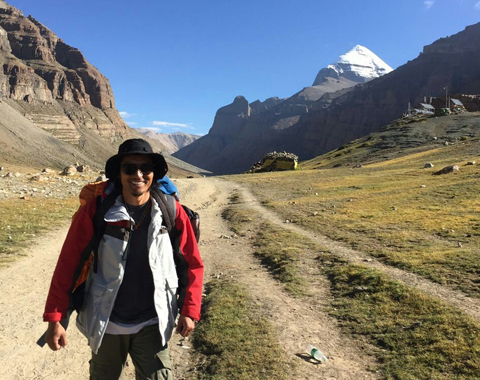
Lhasa - Gyantse - Shigatse - E.B.C - Saga - Kailash Trek - Darchen - Lake Manasarovar - Saga - Gyirong - Tingri - Lhasa
USD2069
View Details -
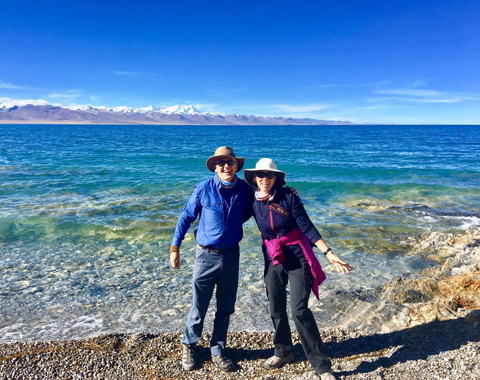
10 Days Lhasa to Everest Base Camp, Namtso Lake and Holy Elephant Gate Small Group Tour
Lhasa - Gyantse - Shigatse - EBC - Shigatse - North Tibet Grassland - Bange - Namtso Lake - Holy Elephant Gate - Lhasa
USD1299
View Details -
8 Days Driving Across Himalaya Overland Adventure from Kathmandu to Lhasa
Kathmandu - Gyirong - Everest Base Camp - Tingri - Shigatse - Gyantse - Lhasa
USD1019
View Details -
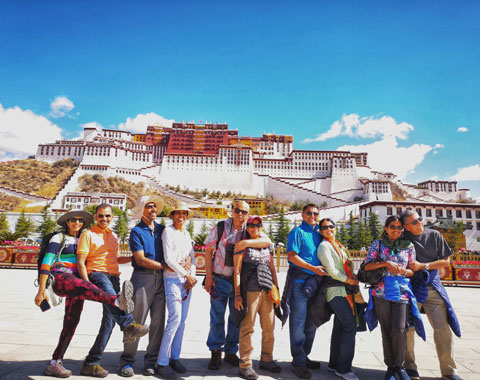
4 Days Lhasa Impression Small Group Tour: Explore the Heart of Tibet and Mingle with the Locals
Lhasa
USD509
View Details -
Lhasa - Gyantse - Shigatse - Everest Base Camp - Gyirong - Kathmandu
USD989
View Details -
Lhasa - Gyantse - Shigatse- Lhasa
USD799
View Details -
Lhasa - Gyantse - Shigatse - EBC - Saga - Darchen - Kailash Trek - Darchen - Saga - Gyirong - Kathmandu
USD2069
View Details
0 Comment ON "Potala Palace 101: Everything You Need to Know about the Lhasa Palace"


1. What Is the Potala Palace? Why Is It Called “Potala”?
2. Where Is the Potala Palace?
3. When Was the Potala Palace Built?
4. Why Is the Potala Palace Famous?
5. Why Was the Lhasa Potala Built?
6. Who Lives in the Potala Palace Now?
7. How Much Does Visiting the Potala Palace Cost?
8. What Are the Colors of the Lhasa Palace?
9. How Many Rooms Does the Potala Palace Have?
10. What Is Inside the Potala Palace?
11. Is There an Underground Palace Beneath the Lhasa Castle?
12. Can I Take Photos Inside Potala Palace?
13. How Long Does It Take to Visit Potala Palace?
14. How Do I Get the Tickets to Visit the Potala Palace?
15. Is There a Visitor Limit Per Day?
16. What Is the Best Time of Day to Visit Potala Palace?
17. What Is the Best Season to Visit Potala Palace?
18. How Many Steps Are in the Potala Palace? Is It Difficult to Hike?
19. Where Are the Best Photo Spots for Potala Palace?
20. Why Do Tibetans Walk Around the Potala Palace?
21. Any More Etiquette and Taboos When Visiting Potala Palace