
 Search
.jpg "Tibetan Local Travel Agency")



Mount Kailash Shiva Face Guide: Meaning, Best Viewpoints, Best Time & Essential Travel Tips
Witnessing the Shiva Face on Mount Kailash is one of the most moving moments a pilgrim or traveler can experience during the Mt. Kailash kora (pilgrimage trek). Etched naturally into the north face of this sacred peak, the Shiva Face appears as the calm, meditative image of Lord Shiva formed by ancient rock layers, shadows, and ridgelines.
In this guide, we will explore exactly where and when to see the Mount Kailash Shiva Face, what it means in different spiritual traditions, and how to prepare for a smooth, safe, and unforgettable journey to Mount Kailash.
Quick Facts about the Shiva Face on Mount Kailash:
- Best Viewpoint: Dirapuk Valley at the north face of Mount Kailash
- Second Viewpoint: South face of Mount Kailash (drone required)
- Best Season to See: May to June and September to October
- Most Visible Time of Day: Early morning, golden sunset hour, and on clear days
- Spiritual Meaning: Lord Shiva’s divine presence in Hinduism; reflects Mt. Kailash’s spiritual energy in Tibetan Buddhism
Content
What Is the Shiva Face on Mount Kailash?
What the Shiva Face on Mount Kailash Means to Different People
Top 2 Best Places to See Mount Kailash Shiva Face
Best Time of Year to See the Shiva Face on Mount Kailash
Travel Requirements & Permit Tips to See Shiva Face on Kailash
Photography Tips to Capture Lord Shiva Face on Kailash
Cultural Taboos & Respectful Behavior When Visiting Mt. Kailash
What Is the Shiva Face on Mount Kailash?
As Tibet’s most sacred mountain, Mount Kailash (6,656m) remains an unclimbed peak. On the north face of Mount Kailash, nature works its quiet magic. A unique blend of natural lines, ridges, rock layers, and shifting shadows comes together to form an image that looks strikingly like the peaceful, meditative face of Lord Shiva.
From the right angle, you can clearly see the forehead, nose, lips, plaited hair, and the serene expression associated with Shiva in deep meditation.
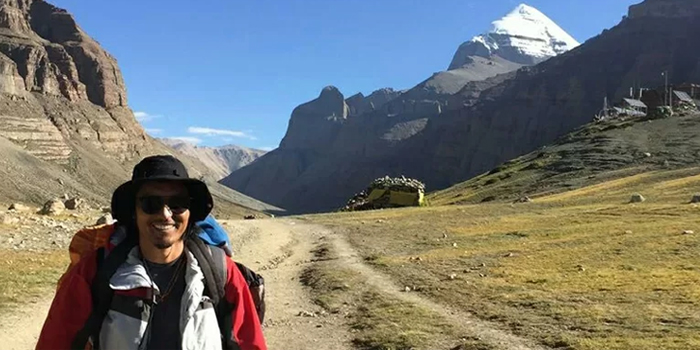

Witness the sacred Shiva Face on Mount Kailash with local Tibetan guides on the classic 15-day Lhasa to Mount Kailash tour.
What the Shiva Face on Mount Kailash Means to Different People
For Hindu pilgrims, this is much more than a natural rock pattern. It is a sacred sign of Shiva’s presence. Seeing the Shiva Face on Mount Kailash during the 3-day Kailash kora is often described as a true blessing, a rare and meaningful moment that brings a deep sense of peace and a heartfelt connection to Lord Shiva. Many pilgrims feel that Shiva is gently watching over them and offering his blessings throughout their journey.
On the other hand, in Tibetan Buddhism, the Shiva Face is understood differently but with the same deep respect. Instead of seeing it as the physical face of a deity, we local Tibetans believe that the Mount Kailash Shiva Face reflects the spiritual energy that flows from this holy mountain.
In our traditions, we are taught that Mount Kailash naturally reveals these sacred shapes as gentle reminders of its holiness and its deep connection to Mount Meru, the sacred center of the universe in Buddhist cosmology.
Besides, from a geological point of view, the Lord Shiva Face on Kailash is simply the result of nature shaping the mountain over millions of years. The rock layers were slowly pushed and lifted upward, forming the tall, straight ridges you see today.
Over time, glaciers, wind, ice, and weather smoothed and carved these ridges into shapes that look a bit like facial features, especially when the sunlight or shadows fall on them at just the right angle.
Because this natural pattern carries both spiritual and cultural meaning, the Mount Kailash Shiva Face has become one of the most photographed and magical sights along the entire Mount Kailash Kora. You can pause here to meditate, take photos, or simply soak in the special holy atmosphere of standing before a natural wonder that is deeply respected in Tibetan Buddhism, Hinduism, Bon, and Jainism.
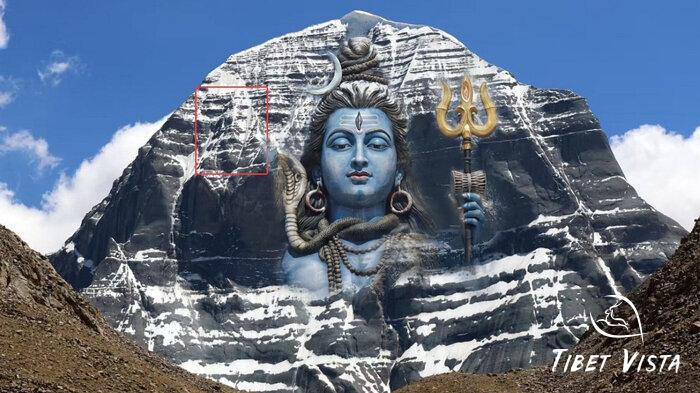 The Mount Kailash Shiva Face seen on the north face of Mount Kailash.
| Perspective | How the Mount Kailash Shiva Face Is Seen | Why It Matters |
| Hinduism | A sacred sign of Lord Shiva’s presence | Seen as a divine blessing during the 3-day Kailash Kora, resembles Shiva in deep meditation, creates peace and spiritual connection; many feel Shiva is watching over and blessing them. |
| Tibetan Buddhism | Symbolize Mount Kailash’s spiritual energy | Reminds Kailash’s holiness and its link to Mount Meru, and reflects Kailash’s cosmic and spiritual power |
| Bon Religion | A natural sign of the Mt. Kailash’s sacred and protective energy | Support Mt. Kailash’s role as a holy, living mountain in the Bon tradition |
| Geological View | A natural formation shaped over millions of years | Glaciers, wind, and weather carved facial-like shapes, naturally formed |
Top 2 Best Places to See Mount Kailash Shiva Face
The two best viewpoints to see the Shiva Face on Mount Kailash are on the very first day of your 3-day Mt. Kailash trek. As you hike from Darchen (4,675 m), the trailhead, toward Dirapuk Monastery (5,050 m), the holy mountain gradually reveals its most iconic side and makes Day 1 an unforgettable start to your journey.
On the North Face of Mount Kailash, you will get a clear, iconic view of Lord Shiva’s face. On the South Face of Mount Kailash, however, the side view of Shiva Face is more subtle and meditative. To catch a glimpse of it, you will need to use a drone, as it is not as easily visible from the ground.
Mount Kailash North Face: The Iconic View of Shiva Face (Dirapuk)
The best viewpoint to see the Shiva Face in all its glory is at Dirapuk Valley (5,080m), just across from Dirapuk Monastery. This is also where you will stay on the first day of your Mount Kailash trek (around 20km, taking about 6 to 7 hours).
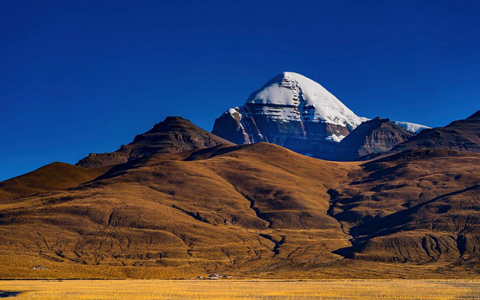
From here, you will be greeted by the striking, pyramid-shaped North Face of Mount Kailash. It offers you the clearest and most detailed view of the Shiva Face on the sacred peak, including the forehead, eyes, nose, lips, and even the vertical plaited hair. The natural formation is incredibly sharp and impressive, especially at sunrise and golden-hour sunset, making it the highlight of the Mount Kailash Kora.
Once you reach your lodging place at Dirapuk Valley, our friendly local Tibetan guide will take you along the path to the north face of Mount Kailash. This open valley area offers you a stunning panoramic view of the north face of the mountain. If you'd like, you can also wake up early the next morning to enjoy the peaceful surroundings. Simply take your time to meditate and connect your soul with Lord Shiva. Many of our guests find it a powerful way to experience deep peace and spiritual connection.
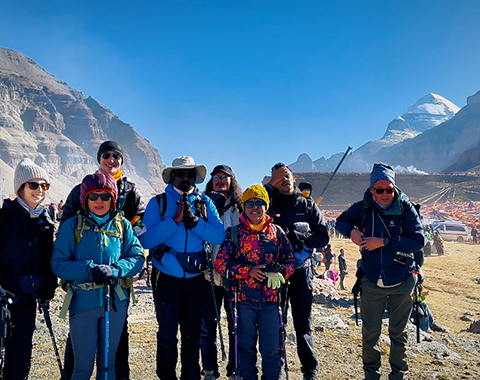
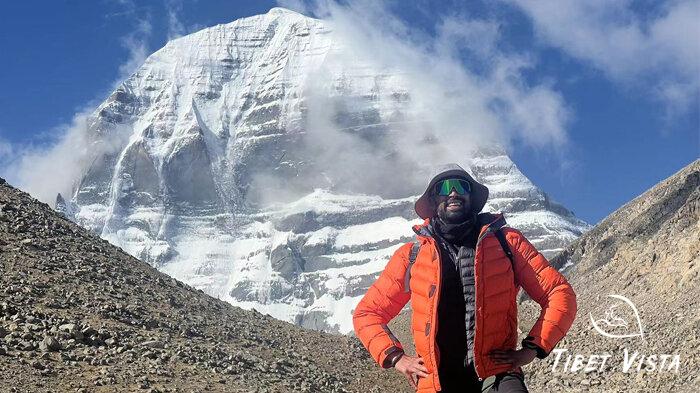 Our guests admire the Shiva Face on the north face of Mount Kailash at Dirapuk Valley.
Mount Kailash South Face: The Subtle Side View of Shiva Face (Drone Required)
While the North Face of Mount Kailash gives you a bold, clear view of the Lord Shiva Face, the South Face of Mount Kailash offers a different experience.
As you trek from the Tibetan Prayer Flag Square to Choku Monastery (about an 8 km walk), you will see the snow-capped South Face of Mount Kailash, where softer contours and shifting shadows create a more subtle, side view of Lord Shiva meditating. This view is open to interpretation and offers you a peaceful and symbolic perspective.
However, since this Shiva Face is hidden deep inside the Mount Kailash inner kora valley, you will need to use our local Tibetan guide's drone to get a clear view of it. From the drone’s higher angle, you can clearly see the side profile of Lord Shiva Face, appearing as if he is sitting upright with his right hand in a peaceful, meditative gesture carved naturally into the ancient rock walls.
Meanwhile, you may feel a deep sense of wonder, peace, and spiritual connection. It is a moment that invites you to slow down, breathe deeply, and take in the sacred atmosphere of this holy mountain. Many of our guests would choose to sit quietly and meditate here, feeling as if Lord Shiva is offering a gentle blessing.
While our local Tibetan guide will stay by your side and give you plenty of time to enjoy this special moment. They may also offer you some warm Tibetan sweet tea to help you relax and refresh yourself during the trek.
Besides, the best time to see the Shiva Face on the South Face of Mount Kailash is during the morning hours. As the sun rises, soft light shines across the rock layers and creates shadows that highlight the facial outline more clearly.
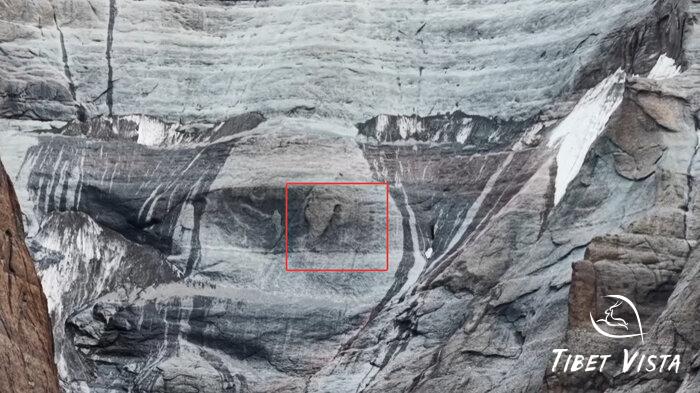 The amazing side profile of Shiva Face on the south face of Mount Kailash.
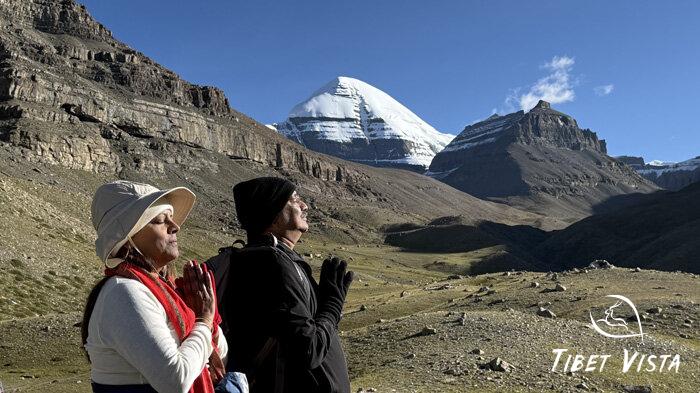 Our guests enjoy peaceful meditation before the south face of Mount Kailash.
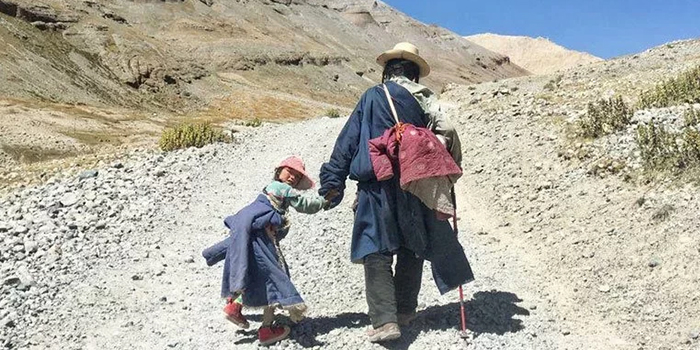
Explore the Lord Shiva Face on Kailash and continue to Kathmandu, Nepal with our smooth border transfer service.
Best Time of Year to See the Shiva Face on Mount Kailash
Since Mount Kailash sits high in remote western Tibet, around 1,200km west of Lhasa, the weather here tends to be more unpredictable than in central and eastern Tibet.
Traditionally, the Mt. Kailash trekking season starts from April to October, when the temperatures are milder (10 to 15°C daytime), and the trekking trails are open, free of heavy snow. On a clear day, with little cloud cover around the summit, you will have a very good chance of seeing the sacred Shiva Face on Mount Kailash, beautifully shaped by nature.
| Month | Avg Max Temp (℃) | Avg Min Temp (℃) | Avg Rainfall (mm) | Avg Snowfall (mm) |
| April | 7.8 | -4.4 | 5.1 | 43.2 |
| May | 12.2 | -0.6 | 10.2 | 7.6 |
| June | 16.7 | 3.3 | 17.8 | 0 |
| July | 18.3 | 6.1 | 43.2 | 0 |
| August | 17.8 | 5.6 | 30.5 | 0 |
| September | 15 | 2.2 | 17.8 | 5.1 |
| October | 8.9 | -3.3 | 5.1 | 15.2 |
However, if you are keen to marvel at the Shiva Face on Mount Kailash, along with the clearest skies and perfect lighting, it is highly recommended to plan your visit during May to June and September to October.
May to June is the spring warming season.
As winter snow begins to melt, the air gradually warms up, and there is relatively little rainfall. You will enjoy many clear days, and the air feels crisp and transparent, making the Mt. Kailash contours especially sharp.
Early mornings are wonderful as the soft light highlights the rock textures and shadows on both the north and south faces of Mount Kailash, giving you the best chance to spot and photograph the magical Shiva Face on Mount Kailash.
September to October promises the highest visibility.
Right after the rainy season (July to August), the air is freshly washed and incredibly clear, with the best visibility of the entire year.
The sky turns a deep, bright blue dotted with white clouds, which are perfect conditions for seeing Mount Kailash Shiva Face and every detail of its ridges. Although nights can be cold with occasional thin snowfall, the mountain’s textures appear even more striking under the bright daytime sun.
The high passes are much easier to walk across.
Besides, another advantage of visiting from May to June and September to October is that the high mountain passes are much easier and safer to cross. By late May, most of the winter snow has melted, and before mid-October, new snow hasn’t yet built up. This means the trail, especially the Dolma La Pass (5,630m), has far less snow and is much more manageable for trekkers.
Witness the sacred Shiva Face on Mount Kailash with local Tibetan guides on the classic 15-day Lhasa to Mount Kailash tour.
In addition, if you wish to see the sacred Lord Shiva Face on Kailash while also soaking in the joyful, festive vibes of Tibetan Buddhism, then planning your visit during the vibrant Saga Dawa Festival (late May to early June; May 31 in 2026) will be a perfect choice.
The Saga Dawa Festival celebrates the birth, enlightenment, and nirvana of Buddha Sakyamuni. During this sacred time, you will join joyful crowds of local Tibetans to watch the giant Tarboche prayer pole being raised, accompanied by monks chanting and the deep, echoing sounds of long horns and drums filling the valley.
When the prayer pole stands tall, the crowd bursts into cheers, tossing colorful Tibetan prayer papers (Longda) and Tsampa (white barley flour ) into the sky. It is a mesmerizing moment that marks the official start of the Mount Kailash kora during the festival season. From there, you can walk alongside a steady stream of devoted pilgrims, many performing full-body prostrations, as you begin your own unforgettable journey around the holy mountain.
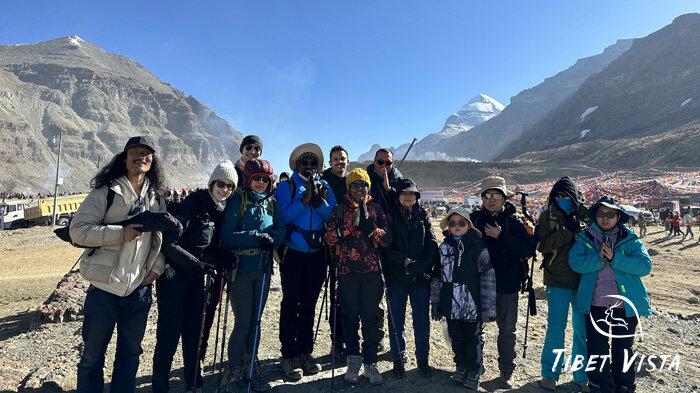 Our guests joined the celebration at the foot of Mount Kailash during the Saga Dawa Festival.
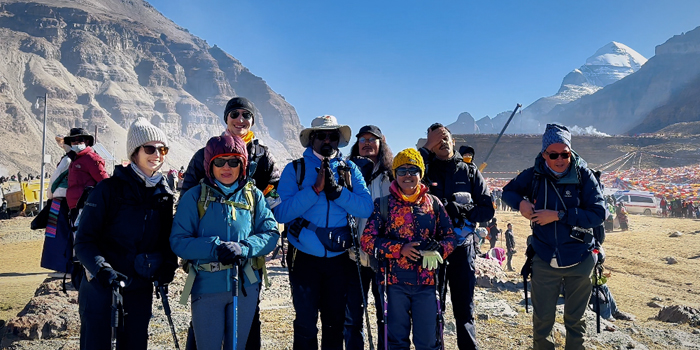
Experience the vibrant celebration at the foot of Mount Kailash during the Saga Dawa Festival.
Besides, if your schedule only allows you to visit Mount Kailash in summer (July to August), there is no need to worry too much about the rainy season. Most showers happen at night and are usually brief, so they rarely affect the overall trekking experience. However, clouds can sometimes cover the Mount Kailash Shiva Face for hours or even days, so seeing it will depend a bit on luck. To make the most of your trip, please be flexible with your plans and bring good waterproof gear.
What’s more, the Mount Kailash trek is usually closed to the public in winter (November to March), as temperatures can drop to –20°C or even lower, and the high passes are often blocked by heavy snow, with poor visibility. Because of these conditions, it is best to avoid planning a visit to Mount Kailash during winter.
Travel Requirements & Permit Tips to See Shiva Face on Kailash
Since overseas travelers can only visit Tibet on a pre-booked, organized tour, you will need to book your Mount Kailash tour through a local travel agency like ours. We will help you obtain your Tibet Travel Permit for free, so you can board your flight or Tibet train from cities such as Beijing, Shanghai, Guangzhou, Chengdu, Xi’an, Chongqing, Kathmandu, and more to Lhasa, capital of the Tibet Autonomous Region.
We will also take care of your accommodations, transportation, meals, and provide a knowledgeable local Tibetan guide to make your journey smooth and enjoyable.
Besides, if you are an Indian citizen who plans to visit Mount Kailash and see the Lord Shiva Face during the Mount Kailash kora, you have to book your Tibet tour with a licensed Nepali or Indian travel agency authorized by the Pilgrim Center, also known as the Tibet-India Pilgrim Reception Center. They will help you get your Tibet Travel Permit to visit Mt. Kailash in Tibet.
However, if you are an Indian origin yet living outside of India and have a third-party country's citizenship or passport. For example, you are an Indian origin with an Australian or American passport. In this case, you can directly book our Mt. Kailash tour. We will help you get all the travel documents and arrange everything properly for you.
What’s more, since Mount Kailash is located around 1,200km west of Lhasa, and the 3-day Mt. Kailash trek has an average altitude of around 5,000m above sea level, having a gradual acclimatization is key to your safe and successful visit.
The most classic Mount Kailash tour is our 15-day Lhasa to Mt. Kailash and Manasarovar small group tour, with a thrilling excursion to the Tibet Everest Base Camp. You can spend three days in Lhasa to adapt to the high altitude in Tibet while covering Tibet’s most landmark attractions, and gradually spend 4 days to travel from central Tibet to Darchen, a small town nestled at the foot of Mt. Kailash, where you will get prepared for the legendary 3-day Mt. Kailash kora (pilgrimage trek).
Join our seasoned local Tibetan guides on the classic 15-day Lhasa to Mount Kailash tour to witness the sacred Shiva Face.
Throughout the journey, our seasoned local Tibetan guide will be with you, offering helpful support like oxygen supplies and attentive care every step of the way. On day 1 of the trek, our local Tibetan guide will take you to the best viewpoints to admire Shiva Face on both the south and north faces of Mount Kailash.
Photography Tips to Capture Lord Shiva Face on Kailash
In addition, if you plan to photograph the Lord Shiva Face on Mount Kailash, there’s no need to bring a heavy lens. For most travelers, your iPhone or any smartphone with zoom features will do the job, making it easier to travel light while trekking at high altitudes.
However, if you’re a keen photographer, we recommend lightweight lenses like the 24-120mm F4 or 24-200mm F/4-6.3 to capture stunning close-up shots of the Shiva Face. You may also bring your drone or use our local Tibetan guide’s drone for some amazing aerial shots.
Meanwhile, weather conditions like clouds, fog, or snowfall can sometimes block the Shiva Face on Mount Kailash. If this happens, our experienced local Tibetan guide will carefully assess the situation and figure out the best plan, whether to wait at the lodge in Dirapuk Valley for the next morning or to find a better vantage point. Rest assured, if it’s meant to be, the Lord Shiva Face will appear when the time is right.
Cultural Taboos & Respectful Behavior When Visiting Mt. Kailash
Last but not least, since Mount Kailash is the most revered mountain for our Tibetans, Hindu devotees, and Jains, please respect the local traditions and avoid religious taboos as shown below:
Always walk in a clockwise manner to circle Mt. Kailash as it is the most accepted way.
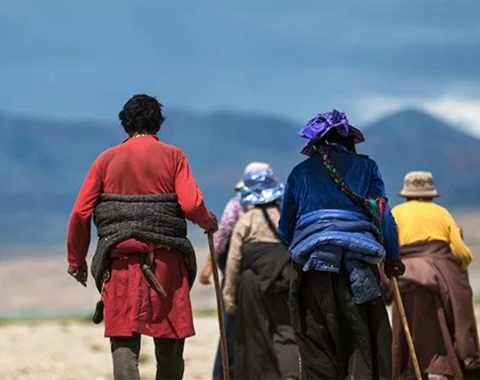
You will see many pilgrims performing full-body prostrations during their kora (circumambulation). If you come across them, please give them space and avoid disturbing their sacred practices.
If you want to take photos of local pilgrims or Tibetan monks, always ask permission or use a telephoto lens to keep a respectful distance.
Besides, please avoid touching religious items and statues, or stepping on Tibetan prayer flags and mani stones with Buddhist mantras. These items are considered sacred, and touching them can be seen as disrespectful.
Overall, it is essential to show deep respect for Lord Shiva and the sacred Mount Kailash. Please avoid any negative remarks about the mountain gods, and remember that climbing Mount Kailash is strictly forbidden, as it is considered one of the holiest places on earth.
More FAQs about Mount Kailash Shiva Face (2026)
Q1. Has anyone seen Lord Shiva on Mount Kailash?
Yes, many of our guests say they have felt Lord Shiva’s presence or seen his face in the natural rock formations on the mountain. The “Shiva Face” is a real, naturally formed pattern on the north face of Mount Kailash that looks like Lord Shiva in deep meditation. While no one has seen Shiva as a physical being, countless travelers describe a strong spiritual experience when they witness the Shiva Face.
Q2. Is the Shiva Face on Mount Kailash visible year round?
No. The Shiva Face on Mount Kailash is not visible year-round because winter snow, clouds, and harsh weather often cover the mountain. The best months to see it clearly are May to June and September to October, when the skies are usually clear, and the lighting is ideal. In winter (November to March), the trek is normally closed, and visibility is very poor.
Q3. Can I see the Shiva Face without trekking?
No, you must trek to get closer to the south and north faces of Mount Kailash to see the Shiva Face. The best viewpoint, Dirapuk Valley on the north face, is only accessible by trekking on Day 1 of the kora. The south-face Shiva profile can only be seen clearly by drone flying to the south face of Mount Kailash, as it lies deep inside the Mt. Kailash inner kora valley. There is no road or car access to any Shiva Face viewpoint.
Q4. Does the Shiva Face look the same to everyone?
Not always. The Shiva Face rock formation is natural, and you can interpret the features differently based on angle, lighting, weather, and personal belief. Some see a detailed face immediately, while others only notice it once the shadow lines become clearer.
Q5. Can drones be used to photograph the Shiva Face?
Yes. Drones are especially helpful for capturing the South Face Shiva profile, which cannot be seen clearly from the ground. Always follow your guide’s instructions, as drone use is regulated in sacred areas.
Q6. How far do I need to walk to reach the best Shiva Face viewpoint?
The clearest view at the Dirapuk Valley comes after trekking about 20 km on Day 1 of the Mt. Kailash kora. While it sounds long, the trail is gradual and manageable with proper acclimatization.
Q7. Is the Shiva Face on Mount Kailash a man-made carving?
No. The Shiva Face is 100% natural, formed by millions of years of weathering, uplift, and glacial erosion. Its sacred meaning comes from how perfectly the natural features resemble Shiva’s serene expression.
Conclusion: Why This Journey Changes You
A journey to Mount Kailash to witness the sacred Shiva Face is far more than a trek. It is a rare encounter with silence, divinity, and the ancient energy that has drawn pilgrims here for thousands of years. Whether you see the clear, iconic Shiva Face on the north side or the subtle, meditative profile revealed by the drone on the south face, the experience stays with you long after you leave the plateau.
With the right season chosen, the best viewpoints in mind, and proper guidance throughout your kora, you’re already one step closer to a transformational adventure around the most revered mountain on earth.
If you feel called to begin this once-in-a-lifetime journey, our Tibet Vista team is ready to help you plan every detail, from permits to acclimatization to crafting a smooth, soul-stirring itinerary. Please feel free to email us for a free inquiry and personalized travel solutions. May your path to Mount Kailash be blessed with clarity, good weather, and the divine presence of Lord Shiva. Tashi Delek!

Of all the versatile Tibetan guides in our team, Mr. Lhakpa is a gem. His 15+ years of guide experience make him an expert in managing self-drive tours, EBC trekking tours, cycling tours, etc. In addition, this big and friendly guy is also good at singing, dancing, and cooking local Tibetan cuisines as well.
In Lhakpa’s tour group, travelers never feel bored. His vibrant energy is infectious, infusing every moment with a sense of excitement and enthusiasm. Lhakpa's wealth of knowledge about Tibet's rich history offers you new insights into Tibetan culture and local life.
You won’t forget Lhkpa’s perpetual smile that radiates kindness and warmth and his deep care for every traveler during your stay in Tibet. Hopefully, Lhakpa’s travel articles make your Tibet travel planning easier.
 Email me about your travel idea
Related Articles & Posts

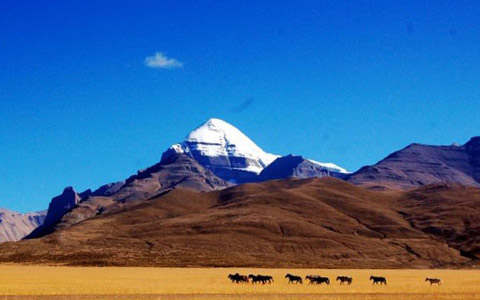
Most Popular Mount Kailash Tour Packages
-
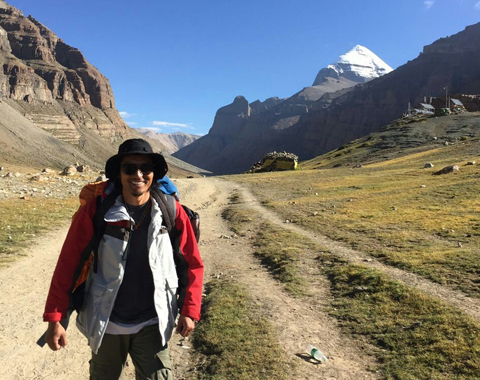
Lhasa - Gyantse - Shigatse - E.B.C - Saga - Kailash Trek - Darchen - Lake Manasarovar - Saga - Gyirong - Tingri - Lhasa
USD2069
View Details -
Lhasa - Gyantse - Shigatse - EBC - Saga - Darchen - Kailash Trek - Darchen - Saga - Gyirong - Tingri - Lhasa
USD2219
View Details -
10 Days Kailash Pilgrimage Tour from Kathmandu, via Gyirong Port
Kathmandu - Gyirong - Saga - Mt.Kailash - Lake Manasarovar - Darchen - Saga - Gyirong - Kathmandu
USD1749
View Details -
Lhasa - Gyantse - Shigatse - EBC - Saga - Darchen - Kailash Trek - Darchen - Saga - Gyirong - Kathmandu
USD2069
View Details -
17 Days Kailash Manasarovar Full Moon Tour & Guge Kingdom Exploration
Lhasa - Gyantse - Shigatse - EBC - Saga - Darchen - Zanda - Kailash Trek - Darchen - Saga - Gyirong - Tingri - Lhasa
USD2299
View Details -
Lhasa - Gyantse - Shigatse - Everest Base Camp - Shigatse - Lhasa
USD949
View Details -
10 Days Lhasa to Everest Base Camp, Namtso Lake and Holy Elephant Gate Small Group Tour
Lhasa - Gyantse - Shigatse - EBC - Shigatse - North Tibet Grassland - Bange - Namtso Lake - Holy Elephant Gate - Lhasa
USD1299
View Details -
8 Days Driving Across Himalaya Overland Adventure from Kathmandu to Lhasa
Kathmandu - Gyirong - Everest Base Camp - Tingri - Shigatse - Gyantse - Lhasa
USD1019
View Details -
4 Days Lhasa Impression Small Group Tour: Explore the Heart of Tibet and Mingle with the Locals
Lhasa
USD509
View Details -
Lhasa - Gyantse - Shigatse - Everest Base Camp - Gyirong - Kathmandu
USD989
View Details -
Lhasa - Gyantse - Shigatse- Lhasa
USD799
View Details
0 Comment ON "Mount Kailash Shiva Face Guide: Meaning, Best Viewpoints, Best Time & Essential Travel Tips"


What Is the Shiva Face on Mount Kailash?
What the Shiva Face on Mount Kailash Means to Different People
Top 2 Best Places to See Mount Kailash Shiva Face
Best Time of Year to See the Shiva Face on Mount Kailash
Travel Requirements & Permit Tips to See Shiva Face on Kailash
Photography Tips to Capture Lord Shiva Face on Kailash
Cultural Taboos & Respectful Behavior When Visiting Mt. Kailash