
 Search
.jpg "Tibetan Local Travel Agency")


Lhasa Essence and In-depth Tour: through Exploring Ancient Backstreets of Lhasa
Lhasa, the center of Tibet, is famous for its breathtaking high-altitude landscapes and rich Buddhist culture. Home to iconic landmarks like the Potala Palace and Jokhang Temple, it draws thousands of visitors each year.
Yet between these famous sites lie the city's hidden gems - ancient streets like Barkhor Street and Linkuo South Road. These historic pathways offer a deeper, more immersive experience, allowing you to uncover the true essence of Lhasa and its vibrant Tibetan culture.
Read on to explore the fascinating streets of Lhasa, where history and tradition come to life. With expert insights from our travel guide, Pasang, this article will definitively inspire your journey to this sacred land.
Content
Barkhor Street: The Sacred Pilgrimage Route Encircling the Heart of Tibet
Norbulingka Road: The Timeless Route Linking Norbulingka to Potala Palace
Hebalin Old Street: A True Tibetan Neighborhood Blending Diverse Ethnic Cultures
Linkuo South Road: A Glimpse of Old Lhasa, Taking You Back in Time
Chongsaikang Road: the Bustling Market Packed with Local Tibetan Treasures
Insider Tips on Lhasa’s Ancient Streets from Our Tibetan Tour Guide, Pasang
Barkhor Street: The Sacred Pilgrimage Route Encircling the Heart of Tibet
Located in the center of Lhasa, Barkhor Street is a renowned pilgrimage route that encircles the sacred Jokhang Temple, the heart of Tibet. Stretching approximately one kilometer and take around 20 minutes to walk, this historic street is lined with 35 winding alleys.
Beyond the prestigious Jokhang Temple, Barkhor Street is home to several significant historic attractions, including the former site of the Qing Government's Grand Minister Administrative City, the Gendun Choephel Memorial Hall.
The street also boasts a vibrant mix of handicraft shops, antique stalls, and fashion boutiques. For food lovers, local teahouses like Guangming Gangqiong Sweet Teahouse and legendary eateries like Makye Ame offer a delightful taste of authentic Tibetan cuisine.
Barkhor Street’s history dates back over 1,300 years to King Songtsen Gampo, who built the Jokhang at that time. Pilgrims soon gathered around the Jokhang temple to worship, leading to the rise of Barkhor Street. Over time, it became the cultural and commercial heart of Lhasa.
The best way to explore Barkhor Street is to walk the kora with local pilgrims, especially between 9:00 and 11:00 AM when Tibetan worshippers gather. Beyond visiting the Jokhang Temple and the historic sites along Barkhor Street, browsing the market for Tibetan souvenirs and enjoying sweet tea and local delicacies during a break are must-have experiences on a Lhasa tour.
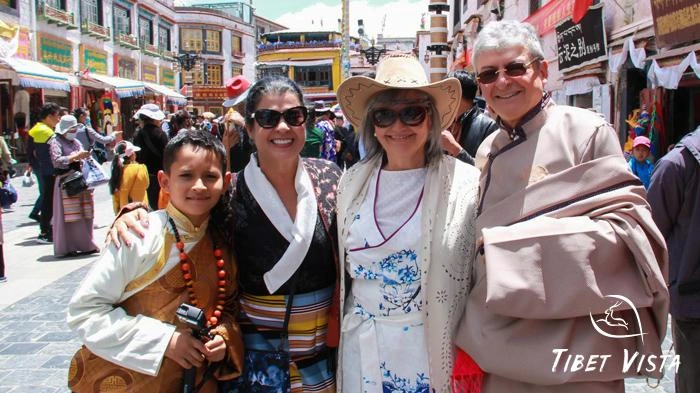
Our Beloved guests are exploring the Barkhor street in Tibetan traditional dress.
Norbulingka Road: The Timeless Route Linking Norbulingka to Potala Palace
Stretching approximately 2 kilometers from west to east, Norbulingka Road - meaning "the road to the Garden of Treasure" - takes about 30 minutes to walk. It beautifully connects two of Tibet’s most iconic landmarks: Norbulingka and the Potala Palace, a must visit attraction on any Tibet tour.
Named after the renowned Norbulingka Palace, the Road offers much more than just its title. Starting from the west, it leads you past the Norbulingka Palace, through the Tibet Museum, and the stunning Chokpori Mountain, ultimately arriving at the majestic Potala Palace in the east.
The ideal time to explore Norbulingka Road is during the summer months, from June to late August, when Norbulingka Palace is at its lushest, surrounded by vibrant red plums and towering cedars. This is also the time when Tibetans flock to Norbulingka Palace to celebrate the Linka Festival and you’ll find thousands of locals along the road.
To fully experience this timeless route, you can start your street walk at Norbulingka Palace. After soaking in the palace and the lively Linka, head east to the Tibet Museum to explore its cultural treasures. Continue to Chokpori Mountain and climb a few steps for a stunning photo with the Potala Palace in the backdrop.
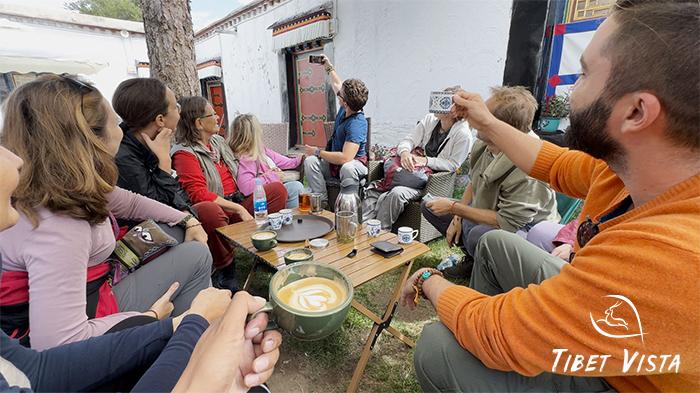
Having coffee with friends at Norbulingka is a great way to enjoy Linka.
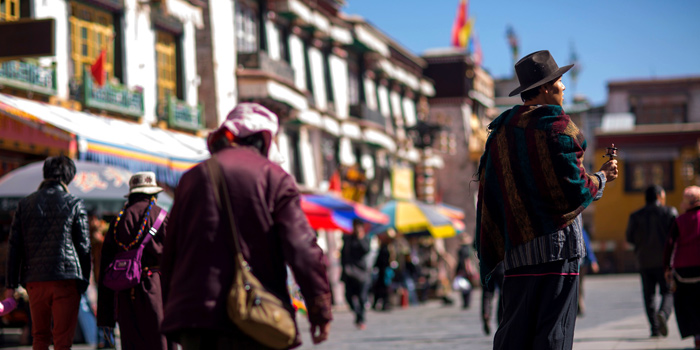

Explore all essentials of Lhasa with our classic Lhasa City tour
Hebalin Old Street: A True Tibetan Neighborhood Blending Diverse Ethnic Cultures
Hebalin Street is a long east-west road, covering a distance of one kilometer. It starts from Tiebenggang cross in the east and ends at Qingsu flag pole on Barkhor East Street. More than 50 old-style houses scatter along both sides, including noble mansions, religious temples, shops, Tibetan dwellings and Hui residence, etc. It is a street that is perfect for a Tibet small group tour to explore diverse ethnic cultures.
There are several places that may be unknown to tourists but hold significant meaning for the locals, and the Grand Mosque is one of them. Located south of the Tiebenggang intersection, the Grand Mosque was the first Islamic temple built in Lhasa. Spanning over 2,600 square meters, nearby is a small but vibrant Hui community.
At the western end of Hebalin Street stands Ganden Tarchen, a flagpole erected by Master Tsongkhapa in 1409 to commemorate the first dharma assembly in Lhasa. Sacred to Tibetans for containing a rattan from Tsongkhapa’s pilgrimage, it is next to the Dunsusekang, a two-story yellow building. Legend has it that the Tsangyang Gyatso lived here with his lover, Makye-ame.
One interesting fact about Hebalin Street is that no building exceeds three floors. In the past, a strict regulation prevented the construction of buildings taller than three stories, as the Jokhang Monastery, home to Buddha Shakyamuni, has only four. Exceeding this height was believed to offend the Buddha. As a result, the tallest buildings on Hebalin Street are limited to three stories.
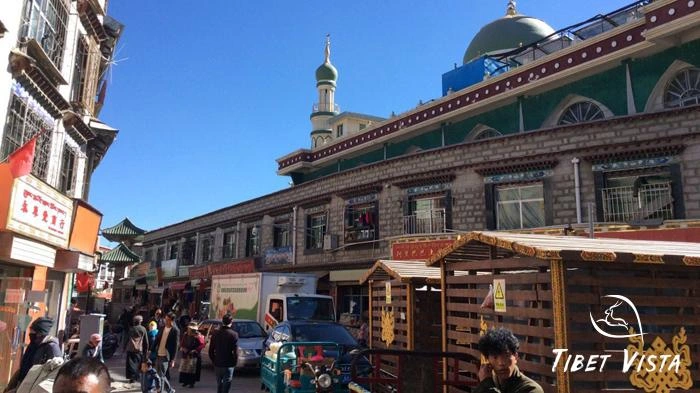
Grand Mosque - the First Islam Temple in Tibet.
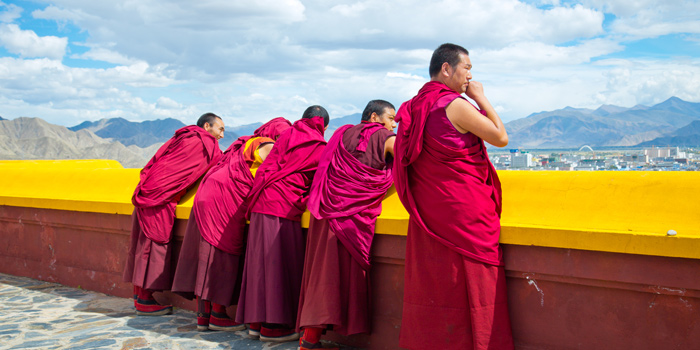
Experience Tibet’s cultural highlights with our classic tour of Lhasa and Shigatse.
Linkuo South Road: A Glimpse of Old Lhasa, Taking You Back in Time
Linkuo South Road, located just north of Barkhor Street, stretches for about 1 km and takes roughly 20 minutes to explore. As one of Lhasa's oldest streets, it is home to Canggu Nunnery, the only nunnery in Lhasa, adding a unique spiritual charm to the area.
In ancient times, Linkuo South Road was still the bank of Lhasa river and floods ravaged Lhasa every year, threatening the safety of its people. To alleviate their suffering, Tibetan King Songtsen Gampo had a hole dug into the riverbank and sat in the cave, chanting prayers for divine blessings. This place was then named Canggu, meaning "a cave for praying."
In the 15th century, Gujiudundan, a follower of Tsongkhapa, built a nunnery here. Wealthy families began sending their daughters to Canggu Nunnery for education and spiritual practice, making it an important religious institution for Tibetan women.
In addition to visiting Canggu Nunnery, highlights of Linkuo South Road include a statue of Songtsen Gampo and the well-preserved cave where he prayed. As you explore this sacred site, you can immerse yourself in local traditions while discovering Tibetan souvenirs and enjoying delicious Tibetan food along the way.
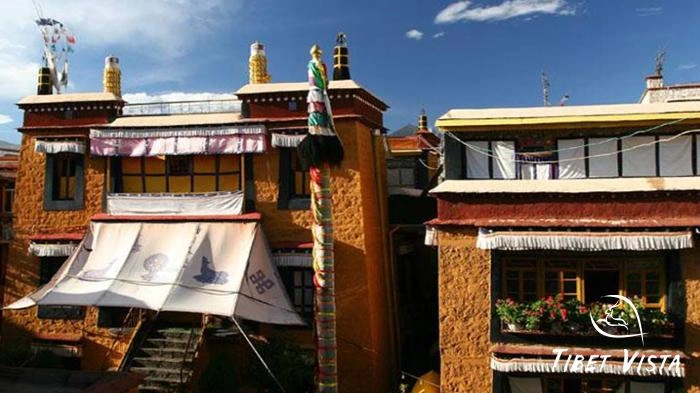
Canggu Nunnery, the only nunnery in Lhasa region.
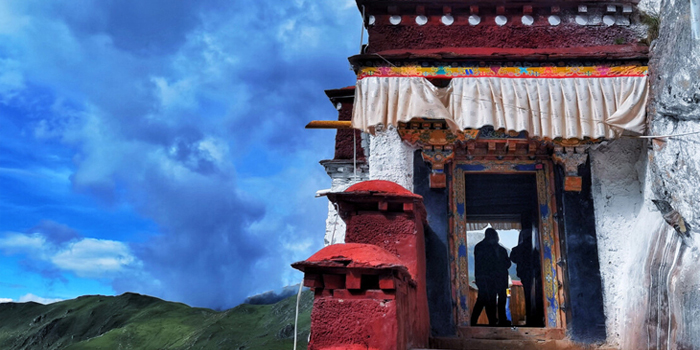
Join our Lhasa tour with a sacred monastery meditation experience.
Chongsaikang Road: the Bustling Market Packed with Local Tibetan Treasures
Chongsaikang Road, located to the west of Jokhang Temple, stretches approximately 800 meters from north to south. It is home to the famous Chongsaikang Market, the largest local market and a great place to shopping in Lhasa. This vibrant road is a hub of commercial activity, offering you a glimpse into the daily lives of Tibetans.
Chongsaikang Road is lined with vendors selling everything from daily cooking ingredients to exquisite Tibetan antiques and jewelry. It's a great place to discover unique treasures like silver jewelry, prayer beads, traditional textiles, and rare antiques, all reflecting Tibet's rich heritage.
To fully experience the vibrant atmosphere, visit between 4 and 7 p.m. During this period, you can see Tibetans from across the region gather in Lhasa, offering their jewelry and antiques to buyers who appreciate their craftsmanship. It's the perfect time to explore and engage with the local culture.
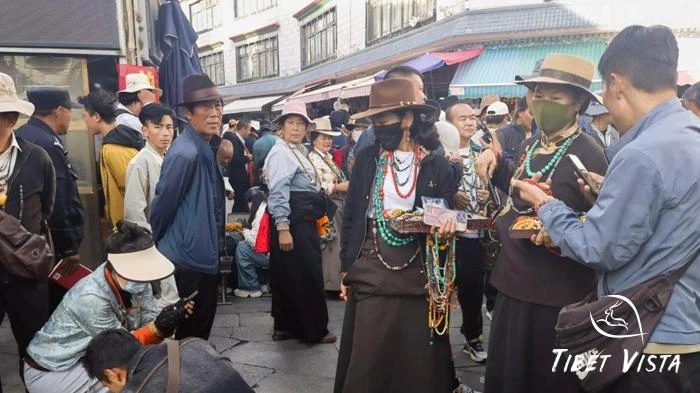
Tibetans with jewelry and antiques are looking for someone who appreciates their value.
Insider Tips on Lhasa’s Ancient Streets from Our Tibetan Tour Guide, Pasang
1. Don't rush! Lhasa’s ancient streets are rich in history and culture, and they deserve time to explore. Also, due to the high elevation, take it easy to avoid altitude sickness in Tibet.
2. Be sure to respect local customs. Whether you're on Barkhor Street or Linkuo South Road, always move clockwise and ask permission before taking photos with locals. Also, keep in mind that some places do not allow photography, so be sure to check first.
3. If you'd like to buy souvenirs or handicrafts on these ancient streets, it’s perfectly fine to negotiate the price. Simply talk to our Tibetan tour guides, and they’ll help you get a fair deal.
Conclusion
Tibetan people often say that no Tibet tour is complete without visiting these ancient streets. It's a wonderful idea to set aside your worries and let these historic streets lead you to the true essence of Lhasa.
With our classic Lhasa tours, over 60 experienced Tibetan tour guides, and exceptional service, we’re confident we can offer you an unforgettable Tibet experience. We hope this article inspires your Tibet trip, and we look forward to welcoming you to the holy land.

With 20+ years of guide experience and tons of great reviews, Sonam Tenphel is one of the top-rated local Tibetan guides in our team. Polite, enthusiastic, and extremely attentive to every traveler’s needs, he is your best travel companion in Tibet and a walking dictionary of Tibetan culture and history.
Additionally, being a great photographer, Sonam helps you capture great Tibet travel moments and maximize your Tibet experiences like no other.
 Email me about your travel idea
Related Articles & Posts
Most Popular Tibet Tour Packages
-
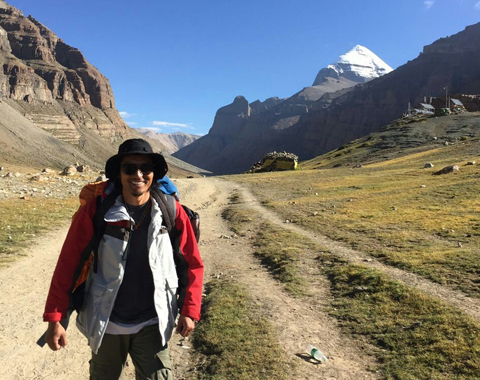
Lhasa - Gyantse - Shigatse - E.B.C - Saga - Kailash Trek - Darchen - Lake Manasarovar - Saga - Gyirong - Tingri - Lhasa
USD2069
View Details -
Lhasa - Gyantse - Shigatse - EBC - Saga - Darchen - Kailash Trek - Darchen - Saga - Gyirong - Kathmandu
USD2069
View Details -
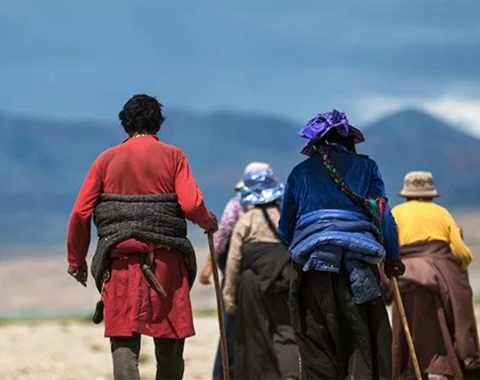
10 Days Kailash Pilgrimage Tour from Kathmandu, via Gyirong Port
Kathmandu - Gyirong - Saga - Mt.Kailash - Lake Manasarovar - Darchen - Saga - Gyirong - Kathmandu
USD1749
View Details -
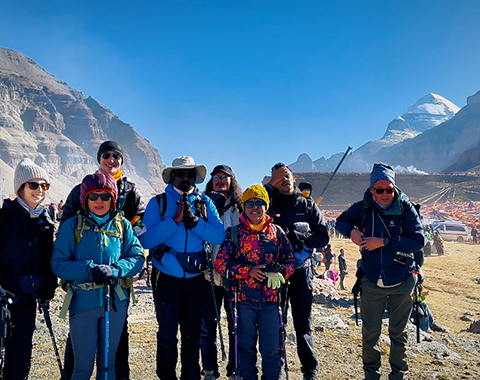
Lhasa - Gyantse - Shigatse - EBC - Saga - Darchen - Kailash Trek - Darchen - Saga - Gyirong - Tingri - Lhasa
USD2219
View Details -
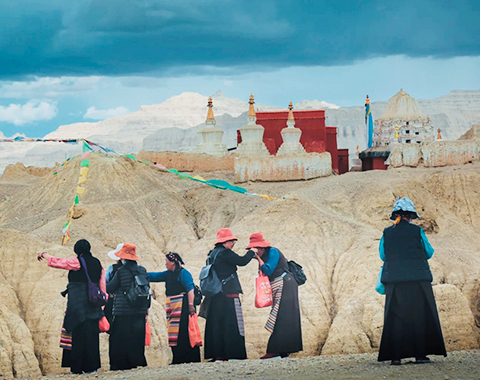
17 Days Kailash Manasarovar Full Moon Tour & Guge Kingdom Exploration
Lhasa - Gyantse - Shigatse - EBC - Saga - Darchen - Zanda - Kailash Trek - Darchen - Saga - Gyirong - Tingri - Lhasa
USD2299
View Details -
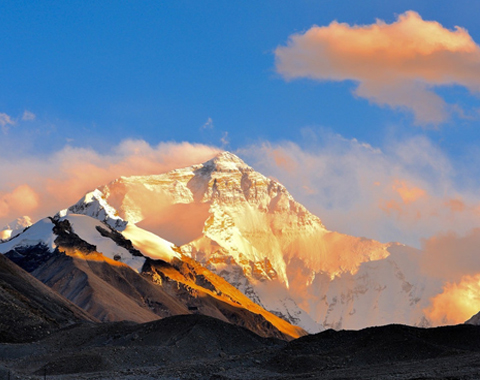
Lhasa - Gyantse - Shigatse - Everest Base Camp - Shigatse - Lhasa
USD949
View Details -
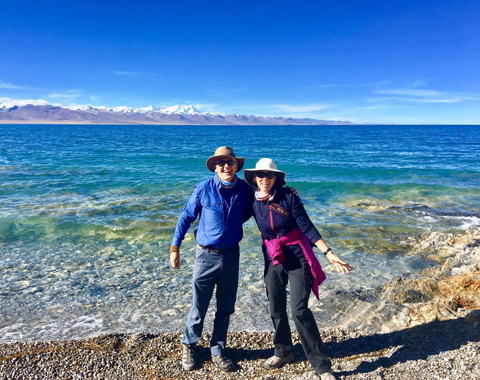
10 Days Lhasa to Everest Base Camp, Namtso Lake and Holy Elephant Gate Small Group Tour
Lhasa - Gyantse - Shigatse - EBC - Shigatse - North Tibet Grassland - Bange - Namtso Lake - Holy Elephant Gate - Lhasa
USD1299
View Details -
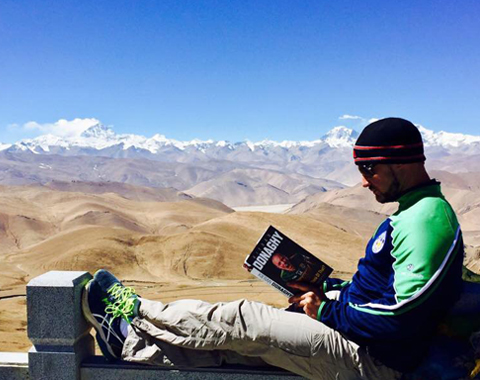
Lhasa - Gyantse - Shigatse - Everest Base Camp - Gyirong - Kathmandu
USD989
View Details
0 Comment ON "Lhasa Essence and In-depth Tour: through Exploring Ancient Backstreets of Lhasa "


Barkhor Street: The Sacred Pilgrimage Route Encircling the Heart of Tibet
Norbulingka Road: The Timeless Route Linking Norbulingka to Potala Palace
Hebalin Old Street: A True Tibetan Neighborhood Blending Diverse Ethnic Cultures
Linkuo South Road: A Glimpse of Old Lhasa, Taking You Back in Time
Chongsaikang Road: the Bustling Market Packed with Local Tibetan Treasures
Insider Tips on Lhasa’s Ancient Streets from Our Tibetan Tour Guide, Pasang