
 Search
.jpg "Tibetan Local Travel Agency")



Kailash Himalaya: Is Kailash in Himalayas? What Makes Kailash Different?
The holy Mt. Kailash is situated on the Gangdise Range in the Himalayan region of western Tibet Autonomous Region of China. Due to its proximity to the Great Himalayas, many affectionately refer to it as the Kailash Himalaya.
Revered as the home of Lord Shiva and a pantheon of Buddhist deities, the holy Mt. Kailash draws numerous pilgrims and global travelers for pilgrimage and explorations every year.
In this travel guide, we will walk you through where Kailash Himalaya is and explore its unique geographical and spiritual significance, with practical travel tips to plan your visits.
 Is Mt. Kailash a Part of the Himalayas? Where Is It?
Four Great Rivers in Asia Originate from Kailash Himalaya
Kailash Himalaya Is the Abode of Lord Shiva Believed by Hindus
To Tibetans, Kailash Himalaya Has Magical Powers to Cleanse Sins & Gain Merits
No One Has Summited Holy Kailash Himalaya Before
The Kora around Kailash Himalaya Is the Most Challenging Trek in Tibet
How Should I Plan My Visits to Kailash Himalaya as a Normal Traveler?
Is Mt. Kailash a Part of the Himalayas? Where Is It?
Geographically, though Mt. Kailash lies in the Himalayan Region, it doesn’t belong to the main part of the Himalayas. Situated to the north of the Great Himalayas, Mt. Kailash is the main peak of the Gangdise Range, which forms parts of the Trans-Himalayas in Tibet.
The exact location of Kailash Himalaya, also known as Kailash Parvat, is located in Purang County, Ngari Prefecture in the remote western corner of the Tibet Autonomous Region of China. The distance between Mt. Kailash and Lhasa is around 1,279km or a 4-day drive across central Tibet.
Though separated from the main part of the mighty Himalayas, the Kailash Himalaya is often referred to as Mount Meru, the center of the world, revered by Hindus, Buddhists, and Jains. It surpasses even Mt. Everest, the world’s highest peak, as the most sacred mountain in the Himalayan region.
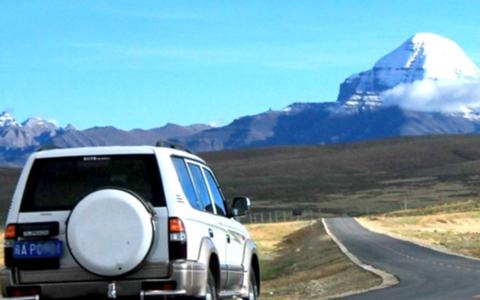
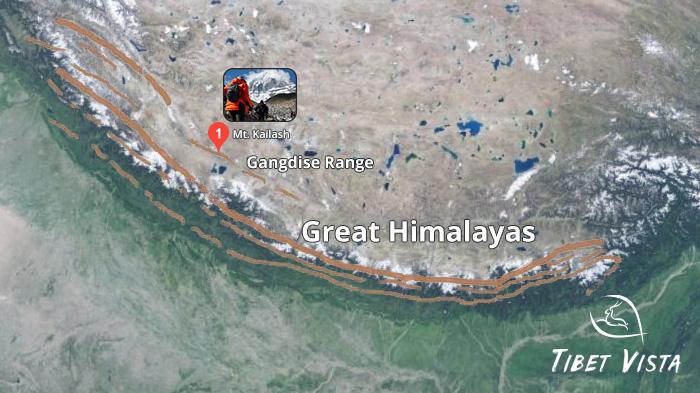 Kailash Himalaya is located to the north of the Great Himalayas on the map.
Four Great Rivers in Asia Originate from Kailash Himalaya
The melted snow and glaciers of the Kailash Himalaya give birth to four great rivers in Asia. It provides a valuable source of water for millions of people in the Tibet Autonomous Region, India, Pakistan, Nepal, and Bangladesh.
In Tibet, the famous Brahmaputra River, also known as the Yarlung Tsangpo, originates from southeast of Mount Kailash. It is the longest river in Tibet and its tributaries flow through Lhasa and Nyingchi, becoming the enchanting Lhasa River and Nyang River that have nurtured thriving Tibetan civilization and drawn global travelers for visits.
Other than that, the Indus River, Karnali River, and Sutlej River begin their journey in the west and south of Kailash Himalaya before making their way from Tibet into Pakistan, Nepal, and India, providing water for irrigation and sustaining local communities.
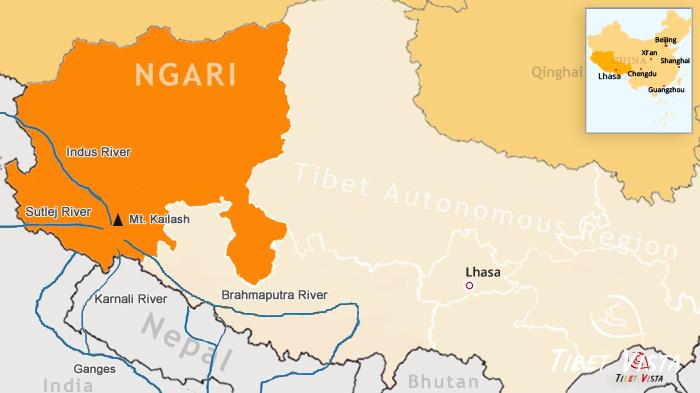 The Four Great Rivers originate from Kailash Himalaya.
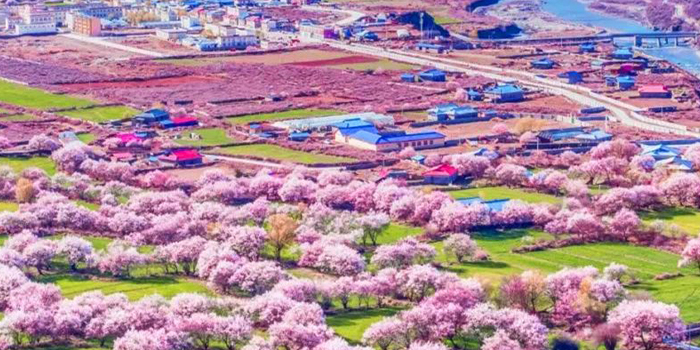

Seamlessly combine Peach Blossom Featival tours in Nyingchi with Lhasa to Tibet EBC adventure in Spring.
Kailash Himalaya Is the Abode of Lord Shiva Believed by Hindus
Kailash Himalaya has long been the ultimate place for worship and pilgrimage. Hindus believe that Lord Shiva and his wife Parvati live on Kailash Parvat in the Himalayan Region.
Because of that, every year, numerous Indian pilgrims flock to Mt. Kailash to circumambulate this holy mountain to worship Lord Shiva, hoping to see Lord Shiva face on Kailash and touch the sacred mountain for blessings, inner peace, and protection from the divine power.
Apart from walking the kora around Mt. Kailash, they will also mediate and perform rituals or even take a holy dip at the sacred Lake Manasarovar nearby to purify their souls.
Currently, Indian passport holders can only visit Mt. Kailash through the Pilgrim Center. However, if you are an Indian origin who live outside of India, and have another country passport, we can help you secure the Tibet Travel Permit and arrange the Mt. Kailash tours for you, including local hotel booking, local experts, transportation, and more attentive services.
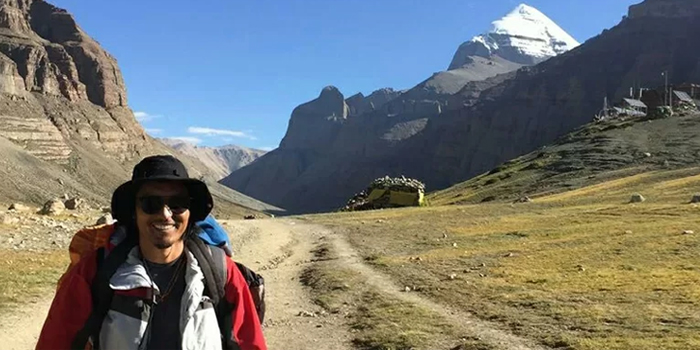
Embark on the ultimate pilgrimage around holy Mt. Kailash in the classic 15-day Mt. Kailash tour from Lhasa.
To Tibetans, Kailash Himalaya Has Magical Powers to Cleanse Sins & Gain Merits
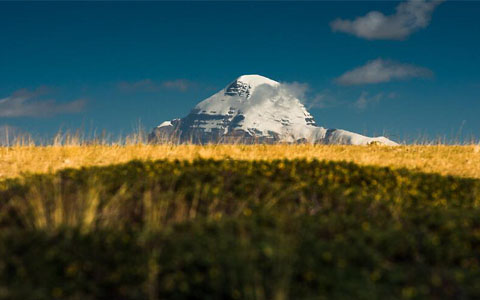
Tibetans see the pyramid-shaped summit of Mt. Kailash in Kailash Himalaya as the earthly embodiment of Mount Meru, the center of the universe.
They believe that by walking the kora or performing full-body prostrations around holy Mt. Kailash, they can cleanse sins of a lifetime, gain merits, and seek protection from magical Kailash Himalaya. It is said that If one can complete 10 or 108 circuits of holy Mt. Kailash, one can be exempt from the cycle of endless rebirths or even attain enlightenment.
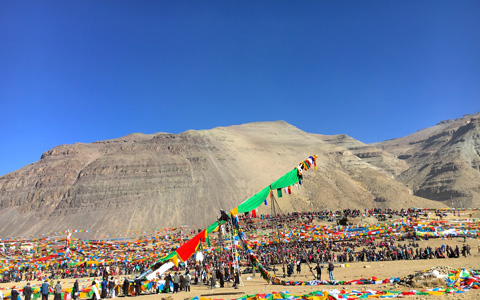
Therefore, making a pilgrimage around sacred Mt. Kailash is taken as an auspicious deed to Tibetans, particularly during the sacred Saga Dawa Festival in May/June when a ceaseless flow of Tibetan pilgrims across Tibet will walk the kora around the holy Mt. Kailash to gain blessings.
As a local Tibetan agency, we offer you a budget-friendly 16-day Mt. Kailash tour during the Saga Dawa Festival to mingle with local Tibetans and our local experts for joyous annual celebrations.
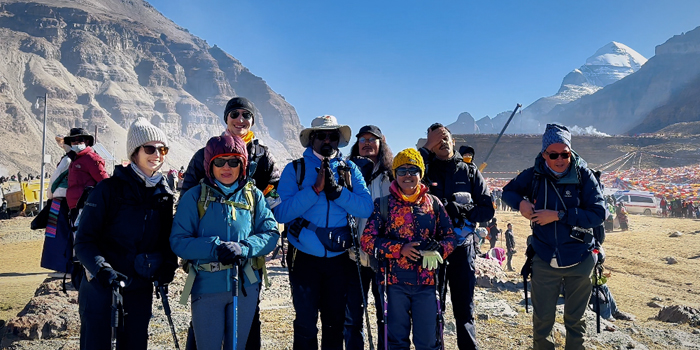
Join our local experts to enjoy great festive vibes around Mt.Kailash during Saga Dawa Festival tour.
No One Has Summited Holy Kailash Himalaya Before
Unlike Mt. Everest in the Himalayas, every year global expedition teams attempt to summit it for adventure or exploration. Kailash Himalaya is considered unclimbable for two reasons.
Mt. Kailash is seen as Mt. Meru, home to Lord Shiva, Parvati, and a pantheon of Buddhist deities. It is disrespectful to climb this sacred mountain. Instead, walking the kora around Mt. Kailash has been taken as the proper way to worship it for centuries.
Additionally, the unpredictable weather conditions, high altitude, rugged terrains, and remoteness of Kailash Himalaya also make summiting it a huge challenge.
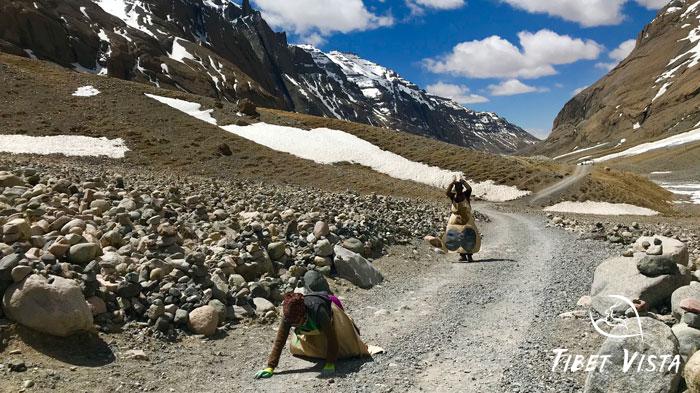 Pilgrims prostrating in deep devotion around holy Kailash.
The Kora around Kailash Himalaya Is the Most Challenging Trek in Tibet
Tibet abounds in amazing treks to sacred Buddhist sites at the heart of the Himalayas. However, of all the Tibet treks, none is more challenging than the pilgrimage route around Kailash Himalaya.
The classic 3-day Mt. Kailash kora spans 52km, with an average altitude of above 5,000m. You will trek on the rugged pilgrim circuit with thin air from Darchen to circle the holy Mt. Kailash in a clockwise manner.
Day two puts your body and spirit to the real test as you will cross Dolma La Pass (5,650m), the highest point during the Kailash trek before descending through Lake of Compassion and steep trails to the second lodging place. Learn the altitude of Mt. Kailash Kora.
Despite the physical and mental challenges, Kora around Kailash Himalaya offers you a spiritual odyssey of a lifetime and attracts thousands of pilgrims and travelers for the ultimate adventure each year.
With our attentive local Tibet travel services, including seasoned local experts, oxygen supplies, local guesthouse booking, local transfers, and smooth travel permit processing, most normal travelers with a good level of fitness can fulfill your travel bucket list to honor the holiest peak in the Himalayan region. Learn if is there an age limit for Kailash and Lake Mansarovar Yatra.
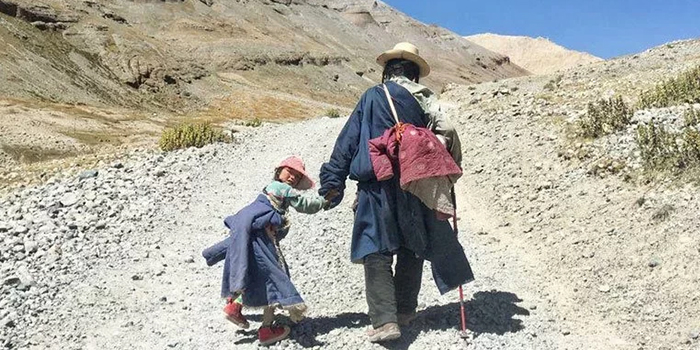
Experience the Mt. Kailash kora from Lhasa and ends the adventure in vibrant Kathmandu.
How Should I Plan My Visits to Kailash Himalaya as a Normal Traveler?
Firstly, to visit Kailash Himalaya in Tibet, overseas travelers must pre-book a guided Mt. Kailash tour with a local Tibet travel agency like us, as mandated by the Tibet Tourism Bureau.
Through us, we can help you apply for a Tibet Travel Permit for free to legally board a flight or train to Lhasa and process other travel documents to visit Kailash Himalaya. Learn all Tibet-entry cities.
Besides, though actual kora around Mt. Kailash takes only 3 days since the Kailash Himalaya lies in remote western Tibet, which is over 1,200km from Lhasa or more than 800km from Kathmandu. You need to budget at least 10 to 15 days for visiting Kailash Himalaya.
The most classic Mt. Kailash tour takes 15 days from Lhasa with a thrilling excursion to Tibet Everest Base Camp before heading to Darchen in western Tibet for a 3-day Mt. Kailash kora and visiting holy Lake Mansarovar before traveling back to Lhasa.
Join the classic 15-day Mt. Kailash tour from Lhasa with a thrilling exploration at Tibet EBC.
Alternatively, after you've visited Mount Kailash in western Tibet, you may also exit Tibet into vibrant Kathmandu via the Gyirong border, the current Sino-Nepal border, which shortens the Mt. Kailash tour to 13 days.
Experience the holy Mt. Kailash Kora from Lhasa and travel overland across the mighty Himalayas to Kathmandu.
Another popular way to visit Kailash Himalaya is to travel overland from Kathmandu via the Sino-Nepal land border to Purang County where Mount Kailash is located.
Due to the quick ascent from Kathmandu Valley (1,400m) to the towering western Tibetan Plateau (averaging above 4,000m), you need to plan more acclimatization days to avoid acute mountain sickness.
Our expertly crafted 10-day Mt. Kailash pilgrimage tour from Kathmandu is your best bet with enough acclimatization days, seamless border transfer, Tibet permit processing, oxygen supplies, and other tourist-friendly services to ensure an immersive and hassle-free travel experience.
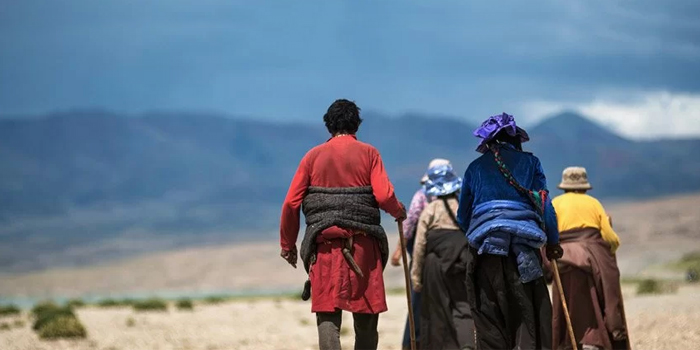
Travel overland from Kathmandu to Mt. Kailash kora in Tibet and journey back to Kathmandu.
More Insider Tips for Exploring Kailash Himalaya
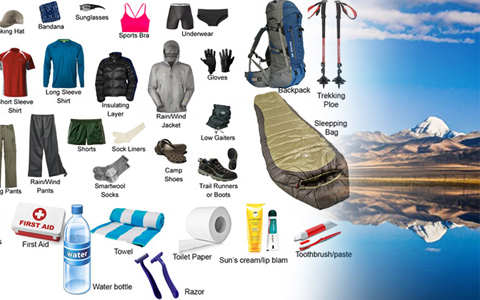
Although the journey to Kailash Himalaya takes more than 10 to 15 days, you don’t need to pack heavily for the adventure.
Bring a down jacket, a fleece jacket, and quick-drying clothes to keep you warm and adapt to the changing weather on the Tibetan Plateau. You also need sun protection and a sturdy trekking boot for the challenging trek.
Wherever you enter Tibet, make sure you have one or two acclimation days in different parts of your journey to get acclimatized to the altitude rise. Besides, you may consult your health doctor to prescribe altitude sickness medication and never catch a cold before you leave for Lhasa.
There are no ATMs near Kailash. Bring enough cash in Chinese Yuan for food, basic accommodation, and daily necessities in remote western Tibet.
Other than that, walk the kora clockwise around Kailash Himalaya to follow local pilgrimage traditions and respect the prostrating Tibetan pilgrims on the kora route.
Due to the remoteness of the Kailash Himalaya, humble local guesthouses with instant noodles, butter tea, and simple Chinese food are the most common dining and lodging scene around Mt. Kailash. Please be open-minded and flexible as it is part of the adventure.
Conclusion
Shrouded in mysteries and irresistible charm, Kailash Himalaya distinguishes itself from other lofty peaks as the most sacred mountain in the Himalayan region. Though not part of the main Himalayan Range, the Kailash Himalaya radiates divine powers, captivating endless pilgrims and travelers for pilgrimage and explorations.
If you have more questions about visiting Mount Kailash in Kailash Himalaya, don’t hesitate to email us for free and expert travel solutions. Looking forward to traveling with you to Mt. Kailash in the near future. Tashi Telek!

Exceedingly approachable, attentive, and knowledgeable, Pasang exemplifies what a top-notch local Tibetan guide can be. Based on his 20+ years of guide experience, Pasang knows how to flexibly rearrange a traveler’s itinerary to make it comfortable for travelers during long rides. He always checked in with each traveler to make sure they were feeling well due to the altitude.
Besides, Pasang’s encyclopedic knowledge of Tibetan culture & history helps travelers easily navigate through the mysterious Tibetan monasteries and old streets, etc. When Pasang unwinds, he also enjoys sharing his expertise by writing travel articles.
 Email me about your travel idea
Related Articles & Posts
![How to Plan a Journey to Mount Kailash in Your Tibet Tour [!year_txt!]](https://data.tibettravel.org/assets/images/ali/lake-manasarovar/lake-manasarovar-pilgrim480-300.jpg)
![Kailash Mansarovar Yatra: Follow the 9 Steps in [!year_txt!]](https://data.tibettravel.org/assets/images/tibet/kailash/small-pilgrimage-to-kailash.jpg)

-
Lhasa - Gyantse - Shigatse - E.B.C - Saga - Kailash Trek - Darchen - Lake Manasarovar - Saga - Gyirong - Tingri - Lhasa
USD2069
View Details -
Lhasa - Gyantse - Shigatse - EBC - Saga - Darchen - Kailash Trek - Darchen - Saga - Gyirong - Tingri - Lhasa
USD2219
View Details -
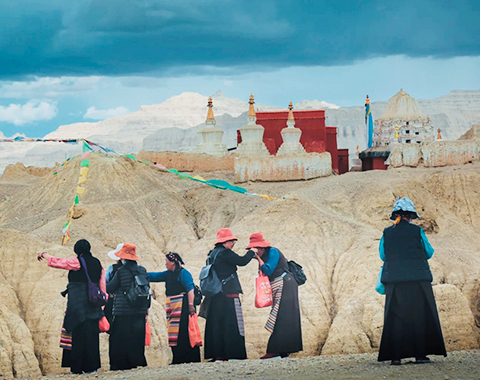
17 Days Kailash Manasarovar Full Moon Tour & Guge Kingdom Exploration
Lhasa - Gyantse - Shigatse - EBC - Saga - Darchen - Zanda - Kailash Trek - Darchen - Saga - Gyirong - Tingri - Lhasa
USD2299
View Details -
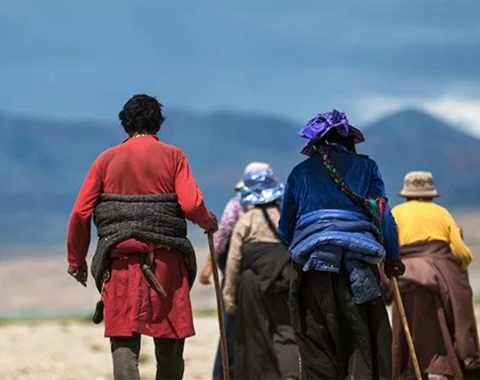
10 Days Kailash Pilgrimage Tour from Kathmandu, via Gyirong Port
Kathmandu - Gyirong - Saga - Mt.Kailash - Lake Manasarovar - Darchen - Saga - Gyirong - Kathmandu
USD1749
View Details -
Lhasa - Gyantse - Shigatse - EBC - Saga - Darchen - Kailash Trek - Darchen - Saga - Gyirong - Kathmandu
USD2069
View Details -
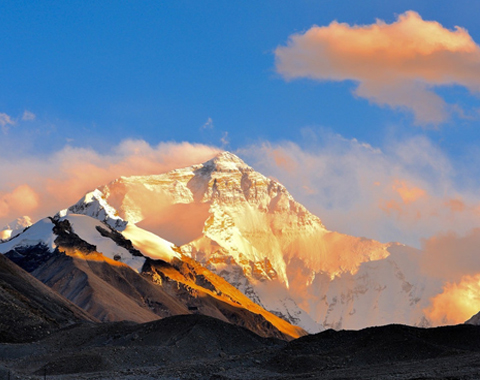
Lhasa - Gyantse - Shigatse - Everest Base Camp - Shigatse - Lhasa
USD949
View Details -
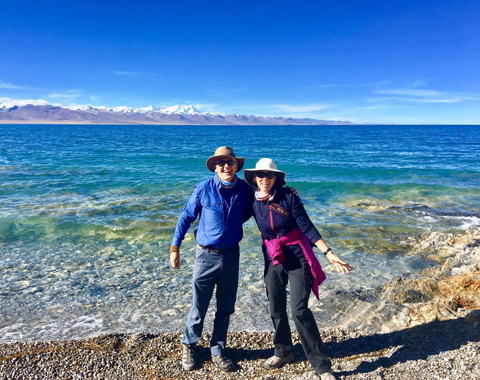
10 Days Lhasa to Everest Base Camp, Namtso Lake and Holy Elephant Gate Small Group Tour
Lhasa - Gyantse - Shigatse - EBC - Shigatse - North Tibet Grassland - Bange - Namtso Lake - Holy Elephant Gate - Lhasa
USD1299
View Details -
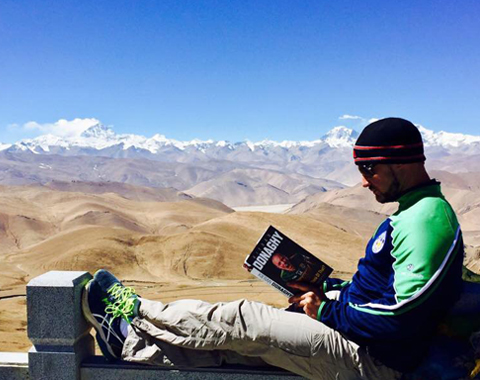
Lhasa - Gyantse - Shigatse - Everest Base Camp - Gyirong - Kathmandu
USD989
View Details
0 Comment ON "Kailash Himalaya: Is Kailash in Himalayas? What Makes Kailash Different?"


Is Mt. Kailash a Part of the Himalayas? Where Is It?
Four Great Rivers in Asia Originate from Kailash Himalaya
Kailash Himalaya Is the Abode of Lord Shiva Believed by Hindus
To Tibetans, Kailash Himalaya Has Magical Powers to Cleanse Sins & Gain Merits
No One Has Summited Holy Kailash Himalaya Before
The Kora around Kailash Himalaya Is the Most Challenging Trek in Tibet
How Should I Plan My Visits to Kailash Himalaya as a Normal Traveler?