
 Search
.jpg "Tibetan Local Travel Agency")


Highlights of Tibet Winter Tour: Low Cost, Clear Views of Everest & Vibrant Festivals
Tibet in winter is a season of mixed highs and lows. Highs include clear visibility across the plateau, especially the attractions from Lhasa to Mount Everest, numerous lively festivals, and abundant migratory birds, while lows include lower costs, fewer tourists and low tourism season.
With warm daytime temperatures, abundant sunshine, and the hospitality of the Tibetan people, a winter tour in Tibet can be enjoyable both physically and spiritually. Read on to discover Tibet’s winter highlights and prepare for a trip that will leave lasting memories.
Content
Why Tourists and Budget Travelers Should Visit Tibet in Winter?
Top 1 Natural Highlights of Tibet During Winter: Clear Views of Mt.Everest
Top 2 Natural Highlight of Tibet During Winter: Sunny Lhasa with Lake Yamdrok
Top 3 Natural Highlights of Tibet During Winter: Migrating Birds at Lhasa Surroundings
Cultural Highlight of Tibet During Winter: Grand Festivals with Tibetan New Year
Why Tourists and Budget Travelers Should Visit Tibet in Winter?
Tibet winter is warmer than you may expect! Lasting from late November to early March, it’s the dry and sunny season in Tibet. Although it’s the colder month, the abundant sunshine makes daytime surprisingly mild, with the average day temperature ranges from 8 to 13°C.
In warmer places like Lhasa, daytime temperatures can reach up to 15°C. As the dry season, winter month offers nearly 30 clear days, more than any other season. The only thing to keep in mind is the temperature difference between day and night, with the gap reaching up to 20°C.
Winter is the off season of Tibet tourism that offers big discount! Start from late November, airlines offer considerable discounts ranging from 20% to 50% in winter, For example, the flight from Chengdu, the best entry cities to get to tibet, to Lhasa could be as low as 80$.
In winter, tourist vehicles cost about two-thirds of summer rates, and hotel prices are lower. You can enjoy luxury Tibet tour with decent hotels like St. Regis at a reasonable price. These decent hotels during winter provide both heating and oxygen systems, ensuring a comfortable stay.
Entry fees for many scenic spots are heavily discounted in winter. For instance, the entry fee for the Potala Palace is usually only half of the peak season rate.
Winter sees fewer tourists but more local pilgrims. On one hand, the number of tourists drops, allowing you to explore famous attractions like the Potala Palace at a leisurely pace. In the monasteries, you can follow the locals in doing the kora and pilgrimage, instead of rushing.
On the other hand, winter is the time for local Tibetans. After the harvest, they flock to big cities like Lhasa and Shigatse for worship. They carrying butter lamps come to the Jokhang Temple and Barkhor Street. If you want to see the authentic Tibet, Tibet winter tour is your best choice.
Most of the popular tourist destinations remain accessible in Tibet during winter, including all the attractions in Lhasa, Shigatse, and Nyingchi, as well as Everest Base Camp. However, high-altitude sites like Namtso Lake and Mt. Kailash are closed because of the harsh winter.
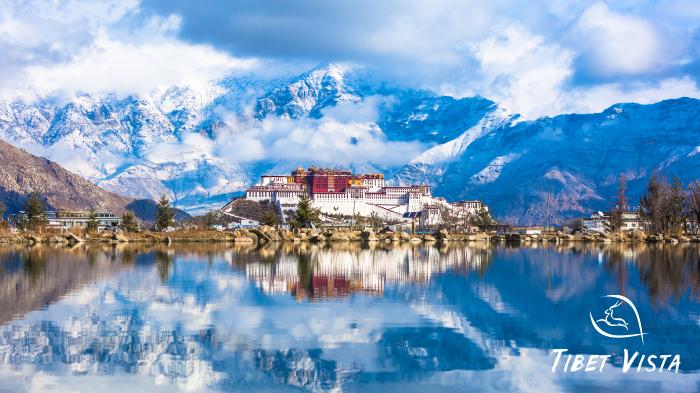 Discover Lhasa's serene winter majesty and spiritual calm.
Top 1 Natural Highlights of Tibet During Winter: Clear Views of Mt.Everest
Much different from common misunderstanding, you can not only visit Mount Everest in winter, but the season also offers clear views of Mt. Everest more than any other period. Daytime temperatures are generally above zero, often reaching around 7°C and warm for exploration.
In winter, the Everest region enjoys dry and clear weather. Unlike in summer, Mount Everest is rarely covered by clouds, with nearly 30 clear days each month. During this season, you have a better chance to witness Everest in all its majestic glory, whether it’s breathtaking sunsets, magical sunrises, or star-filled nights.
On most of our Everest Base Camp tours, we arrange four different viewpoints to see Mt. Everest , and in winter, all four are accessible. You can enjoy the views from Gyatsola Pass and Gawula Pass along the way, as well as from EBC itself. Even on the return journey to Shigatse, you can still admire the eastern slope of the towering Mt.Everest at Dinggye Xilin Viewpoint.
However, there are some issues to be aware of during your Mt. Everest tour in winter. Due to the high altitude, strong winds are common at the mountain passes. The temperature difference between day and night is also significant. Therefore, it is advisable to wear a hat when taking photos at the passes and to dress in enough layers if you wish to enjoy the starry skies at night.
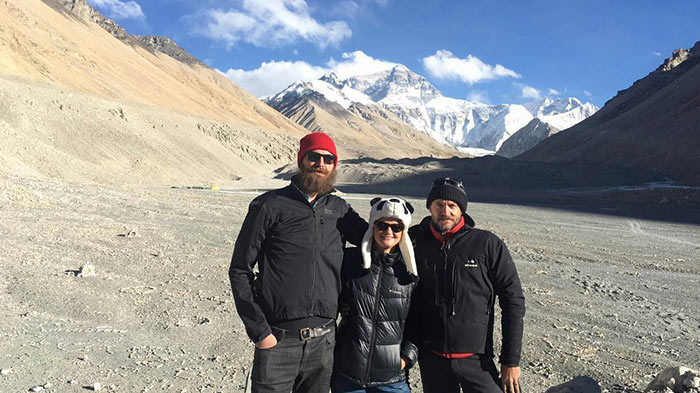 Tibet Everest Base Camp winter tour.
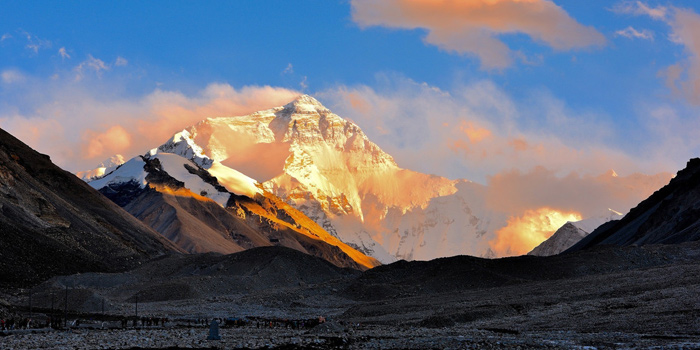

Join our classic 8-day Lhasa to EBC tour and cross the Himalayas with unforgettable cultural highlights in Winter.
Top 2 Natural Highlight of Tibet During Winter: Sunny Lhasa with Lake Yamdrok
Lhasa is warm in winter, with daytime temperatures reaching up to 15°C. Known as the City of Sunshine, its bright rays make the days feel even warmer. Whether you prefer a regular day tour or Tibet trekking tour at the surroundings, the weather creates perfect conditions for exploring.
Famous attractions such as the Potala Palace, Jokhang Temple, and Sera Monastery see fewer tourists in winter but welcome more local pilgrims. As it is the low season, you can spend more time at each site without the rush. For example, visiting time at the Potala Palace is limited during peak season, but in winter you can stay longer.
If you want to extend your Lhasa tour a little further. Just a two-hour drive , the stunning Yamdrok Lake remains open during the winter months. It is only one holy lake still accessible, as Namtso and Lake Manasarovar close due to the harsh climate. In winter, Yamdrok’s turquoise waters set against snow-covered mountains create a unique and peaceful scene.
A visit to Yamdrok can also be enriched with a cultural experience. Many travelers enjoy stopping by a local Tibetan family home, where a traditional lunch adds warmth to the journey. This blend of natural beauty and local hospitality makes Yamdrok Lake a true highlight of Tibet in winter.
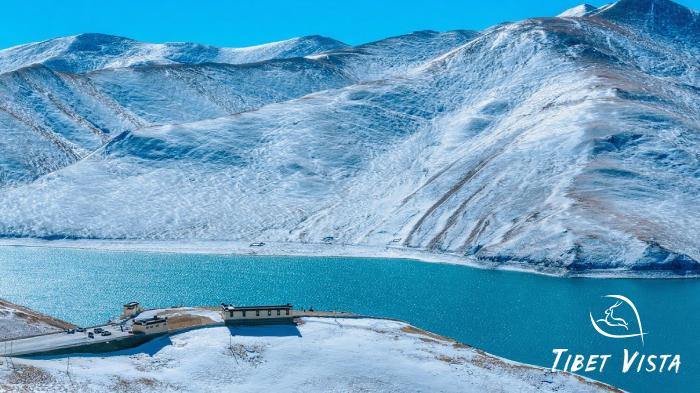 Yamdrok’s turquoise waters set against snow-covered mountains.
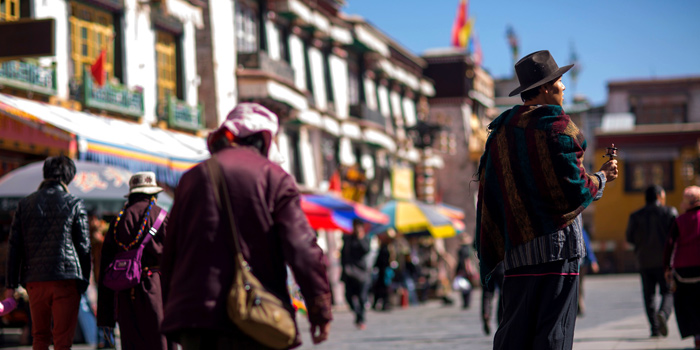
Join our 4-days Lhasa tour to get close distance to devoted Tibetan pilgrims and intriguing local Tibetan life.
Top 3 Natural Highlights of Tibet During Winter: Migrating Birds at Lhasa Surroundings
Winter bird watching in Tibet is mainly centered around Lhasa, and the area becomes a birdwatcher’s paradise. Many of these species of birds are only found in Tibet in the winter, where they come for the warmer weather of the southern and southeastern valleys.
The Lhasa river watershed is an important wintering area for a number of migratory and resident bird species, and the valleys are an important wintering area for around 1,300 Black-necked Cranes and 4,000 Bar-headed Geese.
On the edge of the city lies the largest natural urban wetlands in the world, Lalu Wetland National Nature preserve. This huge expanse of natural wetland is known locally as the “Lung of Lhasa”. It is also an excellent habitat for the local and migratory wildfowl, and attracts many of the species of migrating birds that you cannot always see elsewhere.
Every year thousands upon thousands of black-necked cranes head towards Lhünzhub County. Only a short, 65km ride to the northwest of Lhasa, Lhünzhub County is a great place to study and photograph the black-necked cranes in their natural habitat, with huge flocks nesting around the Hutoushan Reservoir, a major feeding ground for the cranes.
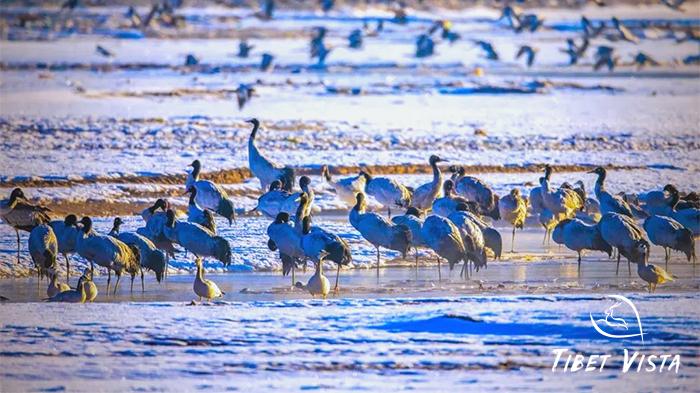 Numerous migratory birds fly to Lhasa for the warm winter, including the black-necked crane.
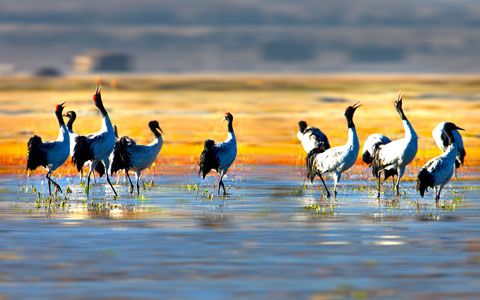
Explore the essence of Lhasa and its migratory birds in winter on our 4-day Lhasa Winter Birding Tour.
Cultural Highlight of Tibet During Winter: Grand Festivals with Tibetan New Year
Tibetan New Year, or Losar , is the most popular festival of the Tibetan calendar, and in 2026, it falls on Feb.18. It can last for up to two weeks of celebrations. The main celebrations happen during the first three to seven days, depending on the region.
On the first day, people stay home with family. Before sunrise, they burn pine resin and place dyed barley and wheat on the roof for good fortune. Women fetch water from rivers or lakes, as the first water of the year is seen as lucky. The mother offers the Qiema box, filled with tsampa, and everyone takes a little while giving thanks and greetings such as “Tashi Delek.”
The second day is for visiting relatives and friends. Guests are welcomed with the Qiema box, tea, and chang. From the third day onward, larger festivities begin, including Weisang burning, where people burn pine and cypress branches while chanting prayers for peace and good harvests. Families eat traditional foods like Guthuk, a noodle soup served on New Year’s Eve.
Throughout Losar, Tibetans enjoy plays, opera, singing, and dancing. People spend long hours chatting with loved ones over tea and barley beer. The joyful celebrations often last until the fifteenth night of the first lunar month.
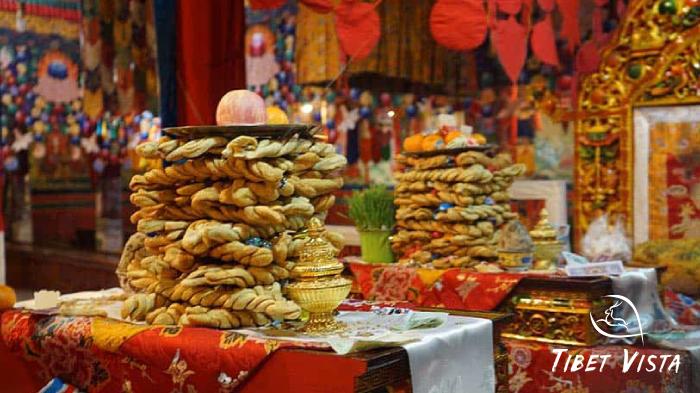 Tibetan New year.
Gaden Ngachen Chenmo Festival, also known as Tsongkhapa Butter Lamp Festival. Every year on the 25th day of the tenth month in the Tibetan calendar, people celebrate the Tsongkhapa Butter Lamp Festival. The festival commemorates the death of Tsongkhapa, who founded the Gelugpa school of Tibetan Buddhism in 1409.
During the festival, Tibetans all over Central and Eastern Tibet lit butter lamps in monasteries, temples and their homes. Barkhor Street will be the most dynamic place in Tibet on this day, and it is a time to rub shoulders with the locals, to delve into the authentic local life, to be carried away by the splendid butter sculptures, and to take a unique peek into their spiritual realm.
There is also a special food that is eaten on the day, called tsampa porridge. Made from the traditional highland barley flour with tea and a little salt, it is made a little more runny than the traditional tsampa that is eaten at every meal across the region.
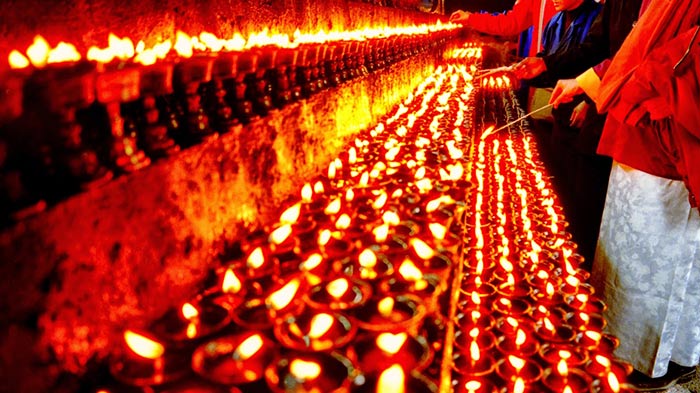 Tsongkhapa Butter Lamp Festival.
The Palden Lhamo festival happens on the 15th day of the 10th lunar month in the Tibetan calendar, to honor a wrathful deity called Palden Lhamo, revered as a female deity who has three eyes and rides a white horse with an eye on the rear of it.
On the festival day in Barkhor Street in Lhasa, people parade a float of her and carry figures of the goddess. Women get up early and go to Barkhor Street to burn juniper branches and other plants in honor of the goddess, before going to pray in the famous Jokhang Temple.
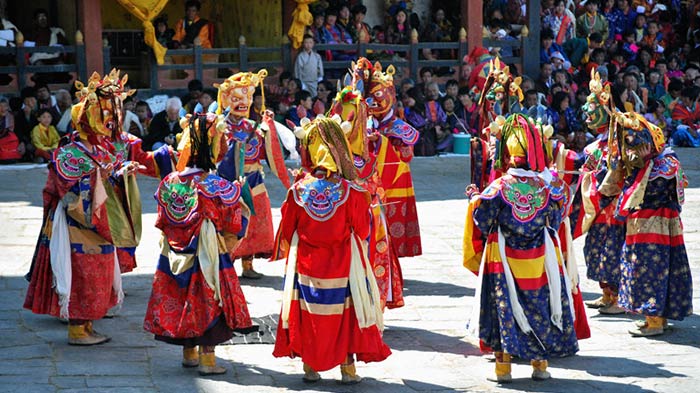 Palden Lhamo Festival.
Conclusion
Lasting from late November to early March, winter in Tibet is warmer and sunnier than you expect. As one of the best time to visit Tibet, this dry season brings clear skies and mild daytime temperatures, ranging from 8 to 15°C depending on the region.
With lively festivals like the Tibetan new year, and fewer tourists, you can really take in the mountains, lakes, and temples without the crowds. From Mount Everest to Lhasa’s streets, a winter trip here is full of unforgettable moments. Contact us to plan your Tibet tour right now!

With exceptional passion and outstanding leadership, Mrs. Catherine has dedicated herself to Tibet inbound tourism and China tour for 15 years. As one of the handful females who see great potential of Chinese inbound tourism, Catherine has made great contribution to promoting Tibet tourism and enhancing the employment of Tibetans and prosperity of local Tibetan community.
Over the years, she travelled overseas with Tibet Tourism Bureau many times to promote Tibet tourism. Currently, Catherine works as the marketing director of Tibet Vista, an opinion leader behind the whole team of Tibet Vista.
 Email me about your travel idea
Related Articles & Posts
Most Popular Tibet Tour Packages
-
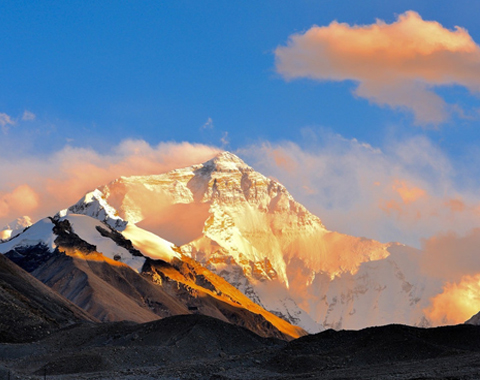
Lhasa - Gyantse - Shigatse - Everest Base Camp - Shigatse - Lhasa
USD949
View Details -
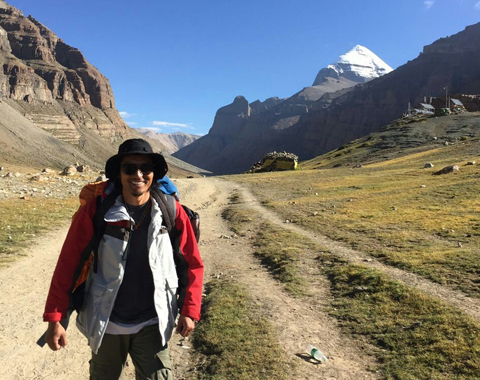
Lhasa - Gyantse - Shigatse - E.B.C - Saga - Kailash Trek - Darchen - Lake Manasarovar - Saga - Gyirong - Tingri - Lhasa
USD2069
View Details -
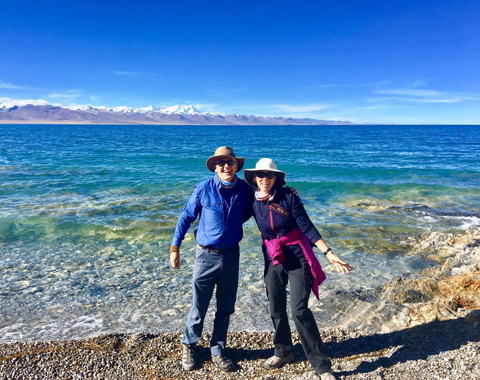
10 Days Lhasa to Everest Base Camp, Namtso Lake and Holy Elephant Gate Small Group Tour
Lhasa - Gyantse - Shigatse - EBC - Shigatse - North Tibet Grassland - Bange - Namtso Lake - Holy Elephant Gate - Lhasa
USD1299
View Details -
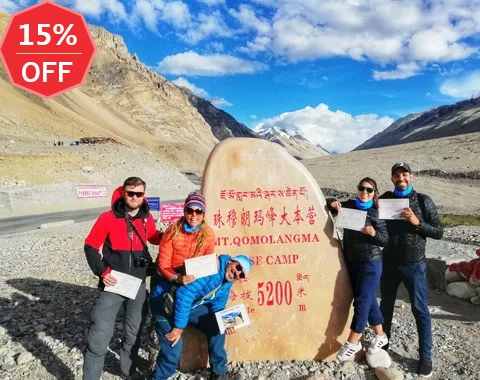
8 Days Driving Across Himalaya Overland Adventure from Kathmandu to Lhasa
Kathmandu - Gyirong - Everest Base Camp - Tingri - Shigatse - Gyantse - Lhasa
USD1019
View Details -
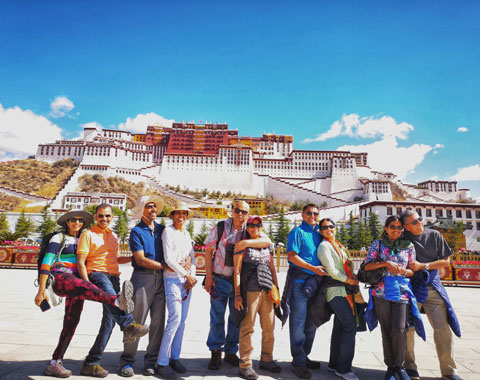
4 Days Lhasa Impression Small Group Tour: Explore the Heart of Tibet and Mingle with the Locals
Lhasa
USD509
View Details -
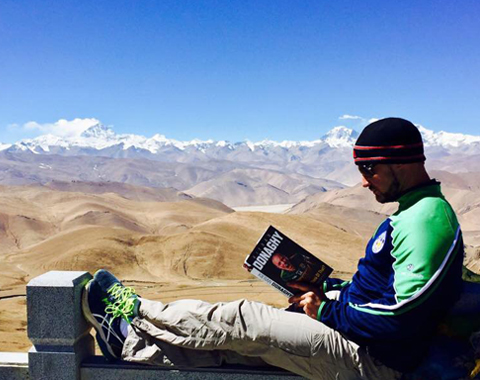
Lhasa - Gyantse - Shigatse - Everest Base Camp - Gyirong - Kathmandu
USD989
View Details -
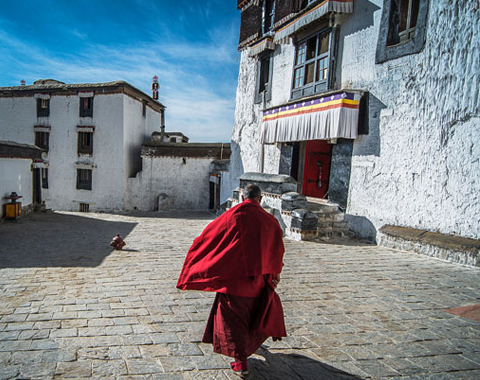
Lhasa - Gyantse - Shigatse- Lhasa
USD799
View Details -
Lhasa - Gyantse - Shigatse - EBC - Saga - Darchen - Kailash Trek - Darchen - Saga - Gyirong - Kathmandu
USD2069
View Details
0 Comment ON "Highlights of Tibet Winter Tour: Low Cost, Clear Views of Everest & Vibrant Festivals"


Why Tourists and Budget Travelers Should Visit Tibet in Winter?
Top 1 Natural Highlights of Tibet During Winter: Clear Views of Mt.Everest
Top 2 Natural Highlight of Tibet During Winter: Sunny Lhasa with Lake Yamdrok
Top 3 Natural Highlights of Tibet During Winter: Migrating Birds at Lhasa Surroundings
Cultural Highlight of Tibet During Winter: Grand Festivals with Tibetan New Year