
 Search
.jpg "Tibetan Local Travel Agency")



15 Days Bhutan Classic Bird Watching Tour
(BBT001) Paro - Thimphu - Punakha & Wangduephodrang - Gangtey - Trongsa - Bumthang - Ura - Limithang - Mongar - Trashigang - Mongar - Bumthang - Punakha - Paro
-
Tour Type:
Escorted by private guide and vehicle; leave 365 days a year!
-
Trip Level:
Easy - suitable for all level of fitness, family with kids and senior groups.
-
Trip Level Guide:
- Easy - suitable for all level of fitness, family with kids and senior groups.
- Moderate - suitable for ones with average level fitness, family with kids bigger than 12 yrs.
- Moderate to Strenous - suitable for ones physically fit; have experiences of high altitude trek.
- Strenuous: suitable for adventures and individual with physically fit and healthy.
-
Season:春
Spring夏
Summer秋
Autumn冬
Winter
 Download PDF Brochure
 Brochure successfully sent!
We've sent the '15 Days Bhutan Classic Bird Watching Tour' brochure to . Check your inbox, and if you don’t see it, kindly check your spam/junk folder.
You might also like these adventures
-
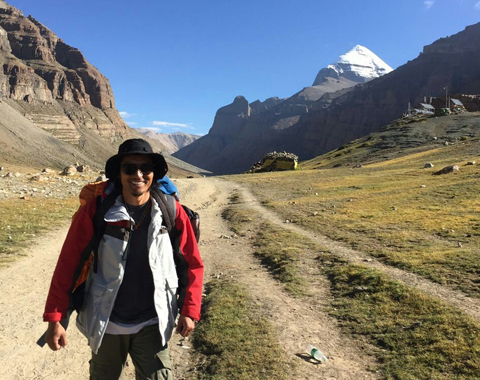
Tour Route: Lhasa - Gyantse - Shigatse - E.B.C - Saga - Kailash Trek - Darchen - Lake Manasarovar - Saga - Gyirong - Tingri - Lhasa
from USD2069 p.p
-
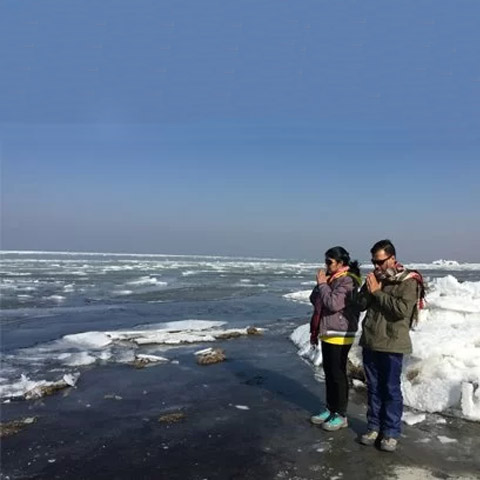
10 Days Holy Mt. Kailash Group Tour for Indian Pilgrims (Only for Indians living in China)
Tour Route: Lhasa - Shigatse - Saga - Darchen - 3 Day Kailash Kora - Darchen
from USD1880 p.p
-
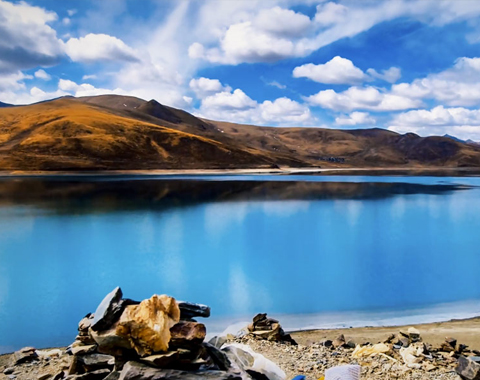
Tour Route: Lhasa - Yamdrok Lake - Lhasa
from USD689 p.p
Overview
Despite its small size about 770 species of birds have been recorded in Bhutan and the kingdom is recognized as 221 global endemic birds’ areas. Within country's borders, there is an extraordinary range of habitats, from some of the Himalaya's most extensive and least disturbed tropical forests to cool broad-leaved and towering evergreen forests of fir, hemlock, and spruce.
The entire country is bisected by well-maintained paved road and birding especially in mid to late spring (late March to late May) is good virtually anywhere below 3,100 m. Unlike many parts of Asia, one is not obliged to seek out a park or reserve or remnant patch of 'good looking' habitat, since at any stop even in the midst of farmland, exciting birds are visible. The mixed broadleaf forests are much richer, and therefore more exciting for birding, than the rather slow growing monotypic stands of blue pine and particularly chir pine.
At a Glance
Day 1Arrive Paro
Day 2Explore in Paro
Day 3Paro / Thimphu (54 km, 2 hours)
Day 4Thimphu / Punakha & Wangduephodrang (75 km, 2.5 hours)
Day 5Punakha & Wangduephodrang / Gangtey (70 km, 3 hours)
Day 6Gangtey / Trongsa (130 km, 5 hours)
Day 7Trongsa / Bumthang (Jakar) (68 km, 3 hours)
Day 8Bumthang / Ura (50 km, 2 hours)
Day 9Ura / Limithang (80 km, 3.5 hours) & Day 11: Limithang
Day 10Limithang / Mongar / Trashigang (118 km, 4 hours)
Day 11Trashigang / Mongar (91 km, 3 hours)
Day 12Mongar / Bumthang (198 km, 7 hours)
Day 13Bumthang / Punakha (268 km, 8 hours)
Day 14Punakha to Paro
Day 15Departure

Day to Day Itinerary
Day 1: Arrive Paro
Druk Airways flight to Bhutan provides the most fascinating view of Himalayan scenery. Whether flying along the Himalayan range from Kathmandu or over the foothills from Calcutta, each flight is a mesmerizing aeronautical feat and offers exciting descent into the kingdom. Evening orientation programme in the hotel with audio-visual presentation, slide show and general talk.
Overnight at the hotel in Paro.
Day 2: Explore in Paro
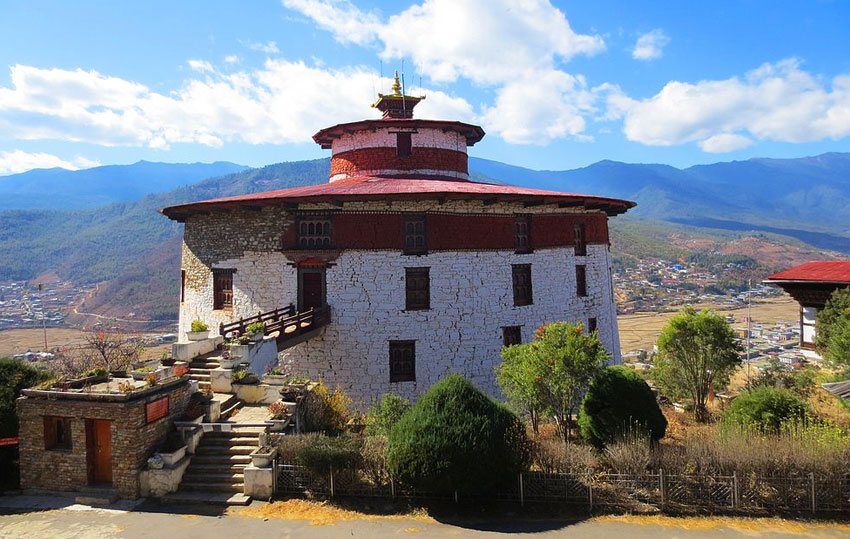
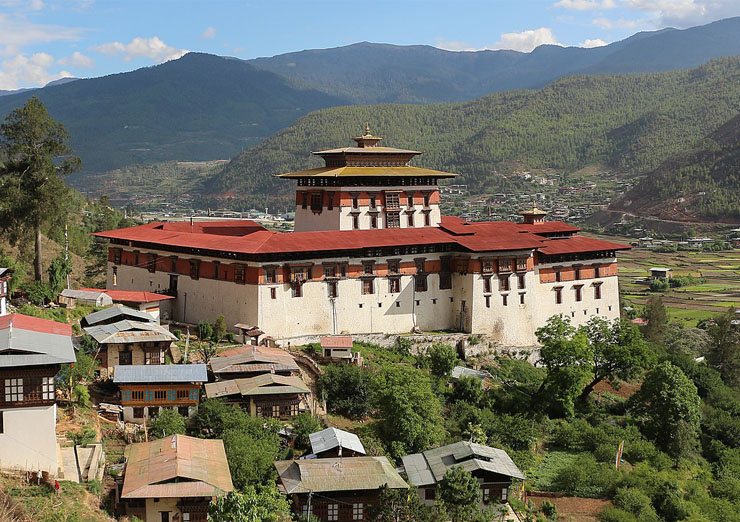
The altitude of Paro valley ranges from 2,150 - 2,950 m and the ideal birding spots are through the farmlands, the lower and upper broadleaved evergreen forests, the riversides, subalpine forests, and shrubberies. The valley also possesses the wealth of cultural attractions such as Ta Dzong (National Museum), Rinpung Dzong, Kyichu Lhakhang and Taktsang Lhakhang.
Some of the recorded bird species in Paro includes: Aberrant Bush Warbler (Cettia flavoivacea), Blyth's Reed Warbler (Acrocephalus dumetorum), Himalayan Whistling Thrush (Myiophonus caeruleus), Common Teal (Ana crecca), Greyheaded Flycatcher Warbler (Seicercus xanthoschistos), Greenbacked Tit (Parus monticolus), Hodgson's Redstart (Phoenicurus hodgsoni), Jungle Crow (Corvus macrorhynchos), Himalayan Brown Dipper (Cinclus pallasi), Crestee Honey Buzzard (Pernis ptilorhyncus), Himalayan Treecreeper (Certhia Himalayan), Hill Pigeon (Columba rupestris), Rufousbreasted Accentor (Prunella strophiata), Rufous Turtle Dove (Streptoppelia orientalis), Rufousbellied Hawk-Eagle (Hieraaetus kienerii), Stripe-throated Yuhina (Yuhina gularis), Longtailed Minivet (Pericrocotus ethologus).
Stay overnight in the hotel, Paro.
Day 3: Paro / Thimphu (54 km, 2 hours)
Drive to Thimphu, the modern capital town of Bhutan. Later explore this beautiful upland valley. Relatively dry, Thimphu valley is surrounded by fine stands of Blue Pine and temperate evergreen forests. The increasing human settlement has pushed birding spots at least 10 km and now the ideal areas for birding are around the stream near Motithang and in and around Begana and Cheri villages.
Few of the bird species recorded here are: Common Sandpiper (Tringa hypoleucos), Redrumped Swallow (Hirunda daurica), Sparrowhawk (Accipiter nisus melaschistos), Grackle or Hill Myna (Gracula religiosa), Grey Wagtail (Motacilla caspica), Whitebellied Yuhina (Yuhina xanthoteuca), Upland Pipit (Anthus sylvanus), Plumbeous Redstart (Rhyacornis fuliginosus).
Stay overnight in the hotel, Paro.


Day 4: Thimphu / Punakha & Wangduephodrang (75 km, 2.5 hours)
From Thimphu, proceed further to Dochula pass (3,050m) which offers a most spectacular view over high peaks of eastern Himalaya. From here the descent to Punakha and Wangduephodrang valley is long at the altitude difference between the pass and the valley is about 1,800 m. The route first passes through a temperate type of leafy forest where rhododendron and magnolia bloom in March and April then moves to the semi-tropical zone where, orange and banana trees and cactuses are found in abundance.
More common species in these valleys are: Black-chinned Yuhina (Yuhina nutriment), Spotted Dove (Streptopelia chinensis), Blackchinned Babbler (Stachyris pyrrhops), Black-breasted Sunbird (Aethopyga saturata), Redbreasted Rosefinch (Carpodacus puniceus), Fulvous-breasted Pied Woodpecker (Picoides macei), Large Grey Babbler (Turdoides melcolmi), Himalaya Tree Pie (Dendrocitra vagabunda), Little Bunting (Emberiza striolata), Slatybacked Forktail (Enicurus schistaceus), Whitebreasted Kingfisher (Halcyon smyrnensis), Yellowbilled Blue Magpie (Cissa flavirostris), Grey Heron (Ardea cinerea), Steppe Eagle (Aquila rapax nipalensis), Small Niltava (Muscicapa macgrigoriae), Himalayan Griffon (Gyps himalayensis), Speckled Wood Pigeon (Columbia hodgsonii), Grey Tit (Parus major) and Redcrowned Jay (Garrulus glandarius).
Stay overnight in the hotel, Punakha.
Day 5: Punakha & Wangduephodrang / Gangtey (70 km, 3 hours)
From Wangduephodrang, the journey continues eastwards through Black Mountain region. The drive is relatively shorter and there are regular stops for birding and photography all along the way. The road finally leads to forest of oak and rhododendron and then broad Phobjikha valley which is one of the few glacial valleys in Bhutan. Because of large flock of black-necked cranes that winter here, this valley is one of the most important wildlife reserve in the country. The fascinating Gangtey village is sitting on the ridge overlooking the large green expanse of Phobjikha valley.
In additions to the species in Punakha & Wangduephodrang, the species readily available in this region are: Amur Falcon (Falco vesertinus), Redmantled Rosefinch (Carpodacus rhodochlamys), Firebreasted Flowerpecker (Dicaeum ignipectus), Redheaded Bullfinch (Pyrrhula erythrocephala), Scarlet Finch (Haemmatospiza sipahi), Whitetailed Nuthatch (Sitta himalayensis), Magpie-Robin (Copsychus saularis), Goldcrest (Regulus regulus), Great Pied Hornbill (Buceros bicornis), Common Hill Partridge (Arborophila torqueola), Snow Pigeon (Columba leuconota), Rufousbreasted Accenter (Prunella strophiata),, Whitebacked Munia (Lonchura striata).
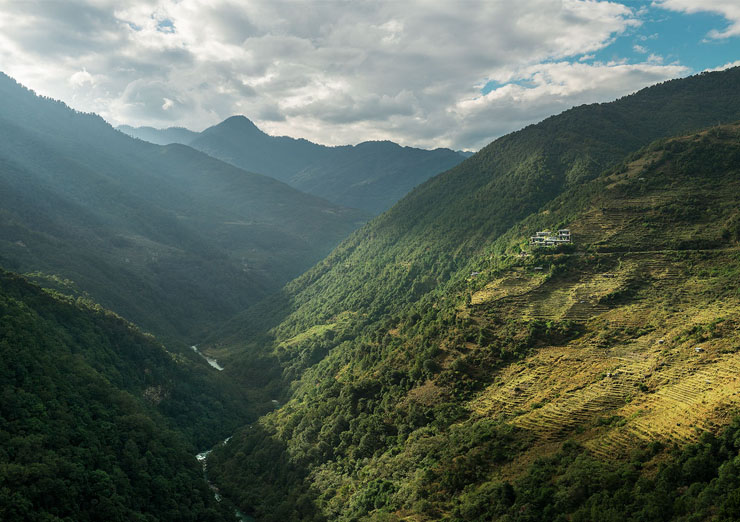

Day 6: Gangtey / Trongsa (130 km, 5 hours)
This stretch covers a range of habitat from tall, dense, evergreen forest characterized by moss and lichen, covered oak and rhododendron together with broad-leaved trees such as horse-chestnuts, laurels, maples, and alders. At higher elevation, the composition changes perceptibly with conifers such as fir, spruce, larch, hemlock and juniper. Bamboo is another important habitat in this region, holding number of special but elusive species.
It is not very prominent birding area but still few important species are visible such as: Himalayan Griffon (Gyps himalayensis), Himalayan Swiftlet (Collocalia brevirostris), Lammergeier (Gypaetus barbatus), Snow Partridge (Lerwa lerwa), Purple Cochoa (Cochoa purpurea), Scalybreasted Wren Babbler (Pnoepyga albiventer), Longtained Minivet (Pericrocotus ethologus), Himalayan Monal Pheasant (Lophophorus impejanus), Speckled Wood Pigeon (Columba hodgsonii) and Rufousbellied Bulbul (Hypsipetes mcclellandi).
Day 7: Trongsa / Bumthang (Jakar) (68 km, 3 hours)
On this trip of 68 km, there is altitude variation from 2,100 m in Trongsa to Yotongla pass at 3,400 m and then descend to Bumthang valley at 2,600 m and the vegetation changes from temperate forests of Trongsa to coniferous and mixed alpine of Bumthang. Apart from being one of the most beautiful valleys of the kingdom, Bumthang is also the religious heartland of the nation. The ideal birding spots in this region are before Yotongla pass, farmland in the valleys and the riverside of Chamkhar Chhu River. Few birds of this area are: Goldcrest (Regulus regulus), Blyth's Pipit (Anthus godlewskii), Common Sandpiper (Tringa hypoleucos), Little Bunting (Emberiza fucata), Redbilled Chough (Pyrrhocorax graculus) and Cormorant (Phalacrocorax carbo).
Day 8: Bumthang / Ura (50 km, 2 hours)
Ura is the last and the highest valleys of Bumthang and to reach here, the road climbs through amazingly open countryside, occasionally running into forests. Large sheep pastures line the road and the route also crosses 3,600 m high Ura la pass and later descending into Ura by long loop across fields and pastures. Perched at an altitude of 3,100 m, Ura village has characteristically closed clustered houses which is quite unusual in Bhutan. The day is for exploring fascinating Ura valley and village.
Overnight tented accommodation.
Day 9: Ura / Limithang (80 km, 3.5 hours) & Day 11: Limithang
Leaving behind the relatively dry Ura valley, the route ascends through forests of gigantic firs, often with an understorey of rhododendron. The road for a few kilometres is precipitous in the extreme, with steep drops that reveal a landscape defying description, until the pass at Thrumshingla (3,750 m) is finally reached. From this highest pass in the country, the road descends to the village of Sengor, a tiny settlement of shingle roofs and lush fields. This village is also the home to these mountain's most special bird, Monal Lophophorus Impejanus.
These two days explore the wonderfully rich subtropical forests of this area. Stretching away to the horizons, these forests differ noticeably from those at higher elevations with tall trees sporting magnificent girths supported on huge buttress.
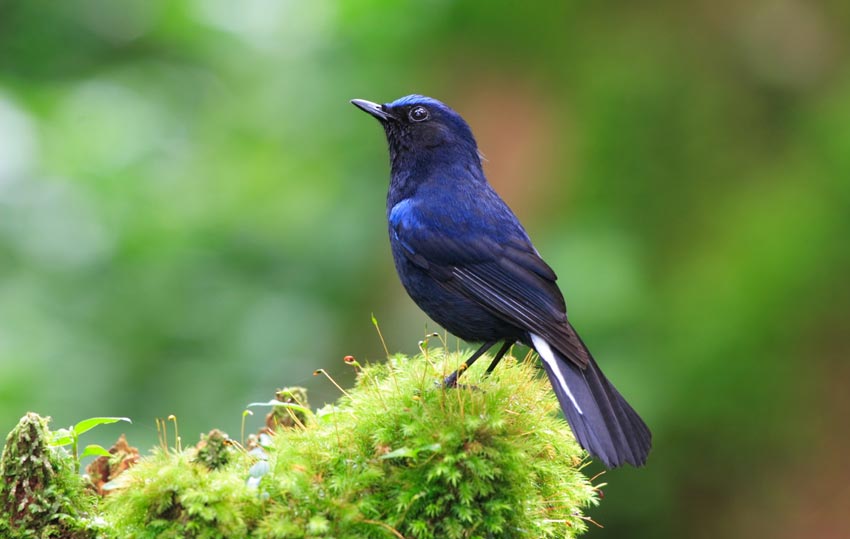
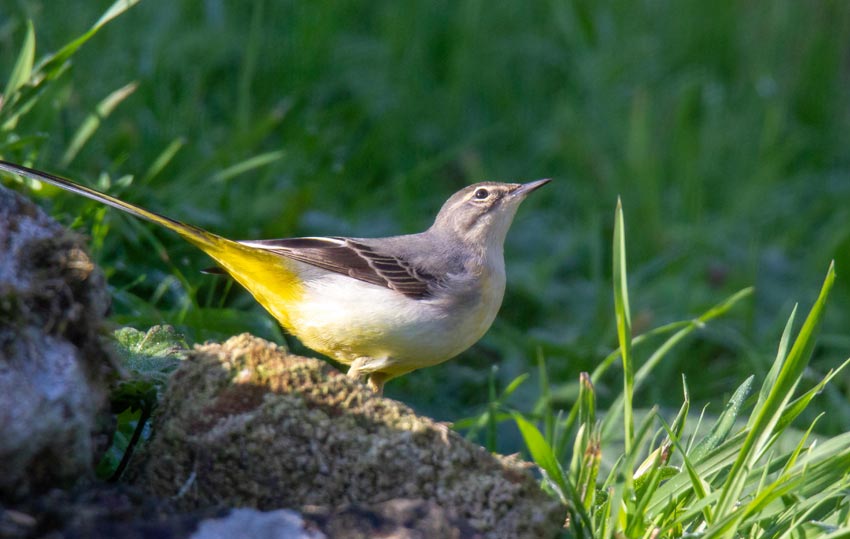
The important species visible in this area are: Black Bulbul (Hypsipetes madagascariensis), Blyth's Pipit (Anthus godlewskii), Bronzed Drongo (Dicrurus aeneus), Gould's Shortwings (Brachypteryx stellata), Redheaded Bullfinch (Pyrrhula erythrocephala), Speckled Piculet (Picumnus innominatus), Grey Wagtail (Motacilla caspica), Whitethroated Munia (Lonchura malabarica), Whitebrowed Blue Flycatcher (Muscicapa leucomelanura), Yellowbellied Flowerpecker (Dicaeum melanoxanthuon), Bluebeaed Bee-Eater ( Nyctyornis athertoni), Parrotbill (Paradoxornis nipalensis), Honeyguide (Indicator xanthonotus), Redvented Bulbul (Pyconotus cafer), Lesser Racket-Tailed Drongo (Dicrurus remifer), Fantail Warbler (Cisticola exilis) and Rufousthroated Hill Partridge (Arborophila rufogularis).
Day 10: Limithang / Mongar / Trashigang (118 km, 4 hours)
From Limithang, the road reaches to its lowest point of 650 m at the bridge over Kuru Chhu River. The Chhorten at this point, was built in 1800, in Nepalese style of architecture to hold the precious religious objects of Shongar Dzong when the Dzong was abandoned in favor of other places, Mongar. Visit here, Mongar Dzong built at the beginning of 19th century. However, the present structure dates from 1953, when it was formed on command of Bhutan's Third King, Jigme Dorji Wangchuck. Besides being the administrative center of the region, it also houses the Drukpa monastic community.
The eastern towns of Mongar and Trashigang are not interesting for birding so the time in last two days of the tour is spent for a cultural experience. From Mongar, the journey is through a leafy forest filled with ferns, crossing en route Kori la pass (2,450m). Seven-kilometre ahead of pass lies, the village of Nagtshang where one of the small kingdoms of eastern Bhutan was located before the Drukpa conquest in the 17th century. The road further descends rapidly through corn fields and banana groves arriving at Yadi which is known for its zigzag road.
After 20 kilometers of interminable bends through a rather sparse forest of conifers, the road enters to Sheri River, a small tributary of Gamri River. An unsurfaced road branches of 13 kilometers beyond the bridge over the Sheri River to the big monastery of Demetri which is Nyingmapa monastery and one of the most important in eastern Bhutan. The town of Trashigang lies 20 kilometers beyond the point where the Demetri road branches off. Visit here, the Trahigang Dzong, standing at the extreme end of the spur, overhanging the Gamri River by more than 400 m. Unlike most other Dzongs in the Kingdom, it has only one courtyard. The Dzong now serves as the administrative seat for district and part of it occupied by Drukpa monastic community.
Overnight at the lodge in Trashigang.


Day 11: Trashigang / Mongar (91 km, 3 hours)
After breakfast drive back to Mongar. Afternoon exploratory tour to Mongar town, local market.
Overnight at the lodge.
Day 12: Mongar / Bumthang (198 km, 7 hours)
Morning drive to Bumthang arriving there by lunch time. After lunch, visit to Yatha weaving centre and local market.
Overnight at the lodge.
Day 13: Bumthang / Punakha (268 km, 8 hours)
After breakfast, drive to Punkha visiting village houses and mingling with local peopleAfter lunch, drive toPunakha for overnight stay.
Day 14: Punakha to Paro
Drive to Paro visit local people of Paro, experience life of a farmer. Market visit.
Overnight at hotel in Paro
Day 15: Departure
Your guide will escort you to the airport and help you get on board.
Service Guide
Service Included:
- A minimum of 3 star accommodation (4 & 5 star may require an premium payment);
- All meals specified in the itinerary;
- Airport transfer, private transport for sightseeing in Bhutan;
- Experienced driver;
- An English-speaking and licensed Bhutanese tour guide for the extent of your stay;
- Entry fee and road permits;
- Government fee, royalty, taxes;
- Bottled mineral water throughout the journey.
Service Excluded:
- Bhutan Visa Fee;
- International flight to and out of Bhutan;
- Personal expenses such as drinks, postage, and laundry, etc.;
- Travel insurance in Bhutan;
- Emergency evacuation;
- Tips and gratuities;
- Costs arising from unforeseen events;
- Extra activities like cultural show, kayaking, etc.
Contact us for your dream trip now !
Enquire NowYou May Also Like
-
 19 Days Bhutan East Birding Tour
Tour Route:Paro - Punakha - Phobjikha - Trongsa - Zhemgang - Tingtibi - Bumthang - Sengor - Namling - Yongkola - Trashigang - Samdrup Jongkhar - Guwahati
View Details
What Makes this Tibet Trip Different?

1. Searching rare bird species really need patience and sharp observations, and searching with no exaggerated body movements and no raised voices can make the discovery possibility increased. 2. No feeding to the birds for a closer look. Some foods may possibly cause unidentified digestive problems to them.
Tibetan Travel Guru,Master Catherine Jigme
Get A Quotation of this Tour
Get Started - 15 Days Bhutan Classic Bird Watching Tour
You’re getting closer to your dream Tibet vacation! Fill out this form so our travel designers can start helping you plan a trip.
Privacy Policy: Your information is kept strictly confidential. Tibet Vista will never sell, trade, or give away your contact information to a third party.